24 Hour Home Care Vs Institutional Living: Which Is Better For Your Parent’s Quality of Life?
By Beylah Rivera · June 16, 2026
Choosing the next step for an aging parent is one of the most emotional and significant decisions a family can make. It’s not just about safety or medical supervision; it’s about the very essence of their daily life: their dignity, their routines, and their happiness.
When a parent begins to struggle with daily tasks, two main paths often emerge: moving them into an institutional setting like a nursing home or bringing help into their sanctuary through 24 hour home care.
At Pure Heart Home Care, we believe that the environment where someone ages significantly dictates their quality of life. But we also know that every family’s situation is unique. In this guide, we’ll explore the real differences between these two options to help you decide which path honors your parent’s legacy and future the most.
What is 24-Hour Home Care?
When we talk about 24 hour home care, we aren't just talking about a "babysitter" for seniors. It is a comprehensive, visionary approach to aging where a rotating team of professional caregivers provides one-on-one support directly in the senior's residence.
Whether it is personal care support with bathing and dressing, medication reminders, or simply ensuring someone is there if they wake up confused at 3 AM, this service is designed to keep the senior safe without stripping away their independence. It allows for a level of personalization that institutional living simply cannot match. You can learn more about how this differs from shorter shifts here.
The Reality of Institutional Living
Institutional living, such as nursing homes or skilled nursing facilities, provides a high level of medical supervision within a communal setting. These facilities are designed for efficiency and safety. Residents follow a structured schedule for meals, activities, and hygiene.
While they offer immediate access to medical staff, the trade-off is often a loss of autonomy. For many seniors, the transition from their own home to a facility can feel like a loss of identity, leading to what many call "transfer trauma."

Why do seniors prefer staying at home for their care?
If you ask most seniors where they want to grow old, the answer is almost always "at home." But why? It’s more than just a house. It’s the familiar creak of the floorboards, the garden they’ve tended for decades, and the freedom to eat breakfast at 11 AM if they feel like it.
Senior home care preserves the "internal compass" of a person. In a facility, routines are dictated by staff shifts. At home, the care plan is built entirely around the individual. This sense of control is a massive contributor to mental health and longevity. When seniors feel they have a say in their own lives, their spirit remains vibrant.
Quality of Life: A Comparison of Autonomy and Personalization
1. One-on-One Attention vs. Group Care
In a nursing home, a single nurse or aide may be responsible for 10 to 15 residents at once. This means care is often reactive: responding to a call bell. With home care services, the ratio is always one-to-one. Your parent isn't just another room number; they are the sole focus of the caregiver. This leads to deeper bonds and a more proactive approach to health.
2. Emotional Health and Companionship
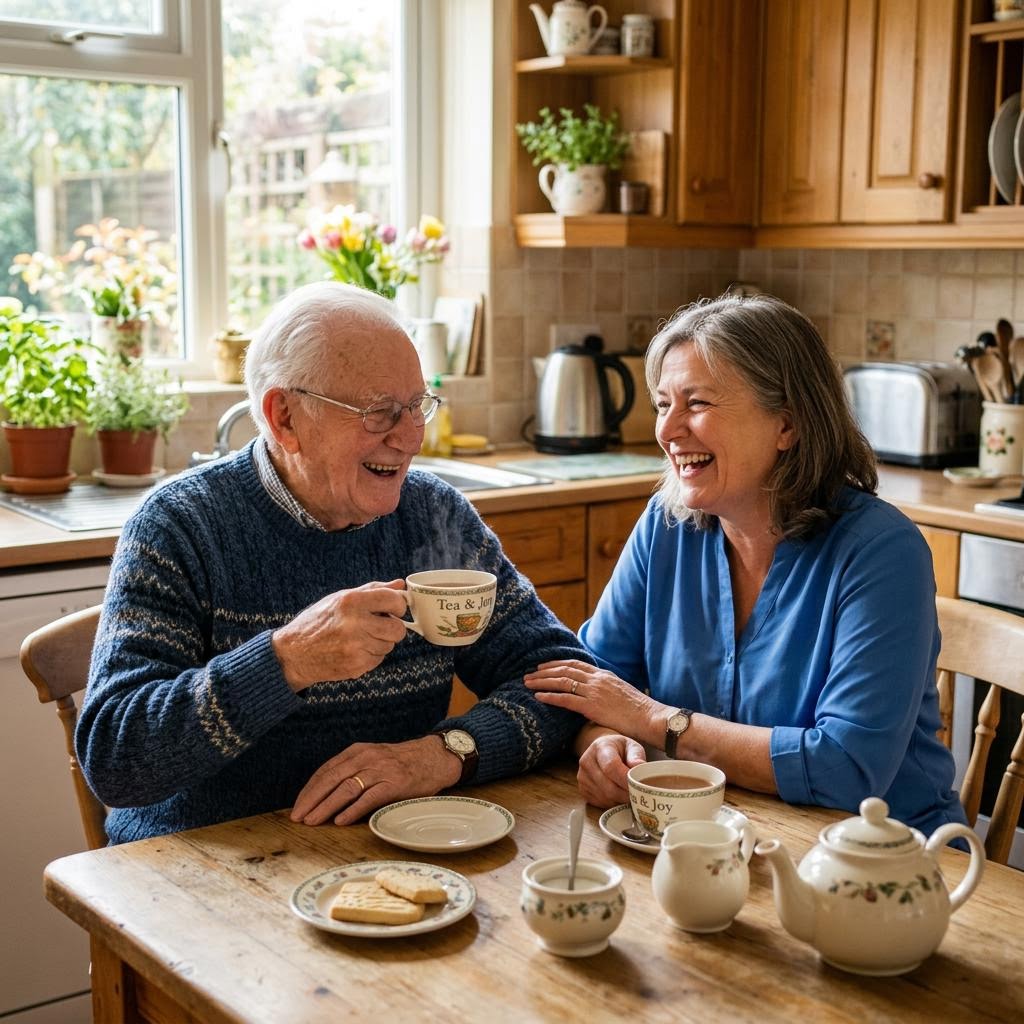
Isolation is the silent enemy of aging. While facilities offer group activities, many seniors still feel lonely in a crowd. Companionship care at home focuses on meaningful interaction: sharing a cup of tea, looking through old photo albums, or going for a walk in the neighborhood. This emotional support is vital. In fact, we often say that companionship is the heart of the home.
3. Infection Control and Safety
If the last few years have taught us anything, it’s that communal living environments are higher risk for infections. In home care naturally limits exposure to viruses and bacteria common in institutional settings. By staying in a controlled environment with consistent caregivers, your parent’s physical health is better protected from external outbreaks.

Is 24-hour home care more expensive than a nursing home?
This is a common question for families. The answer depends on the level of care required. Generally, if your parent only needs help for a few hours a day, home care services are significantly more affordable.
When you move into full 24 hour home care, the costs can be comparable to: or sometimes higher than: a mid-range nursing home because you are paying for dedicated, around-the-clock professional staff. However, many families find that the "hidden costs" of a nursing home: including the emotional toll on the senior and the loss of their home equity: make home care a more visionary investment in their parent's final chapters.
For families who need a break but aren't ready for full-time help, respite care can be a great way to test the waters.
Comparing the Pros and Cons
| Feature | 24-Hour Home Care | Institutional Living |
|---|---|---|
| Environment | Familiar, comfortable, private | New, clinical, shared spaces |
| Schedule | Fully customized by the senior | Rigid, dictated by the facility |
| Care Ratio | 1:1 dedicated attention | 1:10+ (Staff to resident) |
| Social Life | Personalized outings & visitors | Structured group activities |
| Medical Care | Professional, but not a hospital | On-site nursing and therapy |
| Cost | Flexible; can be high for 24/7 | Fixed monthly fee; often high |
How do you know when it’s time to choose?
Making this choice requires an honest look at your parent's needs. You might notice red flags like missed medications, weight loss, or an unkempt house.
If your parent has an unstable medical condition that requires a doctor or specialized equipment every hour, a facility might be the safest bet. However, if their primary needs are mobility, personal hygiene, nutrition, and safety from falls, in home care offers a superior quality of life.

The Pure Heart Approach: Personalized for Every Family
At Pure Heart Home Care, we don't believe in one-size-fits-all solutions. We know that bringing a stranger into your home is a big step. That’s why we focus on carefully screened caregivers who don't just provide "services," but who treat your loved ones with the dignity and respect they deserve.
Our goal is to allow your parent to age safely and comfortably in the place they love most. Whether it’s through personal care support, light housekeeping, or specialized 24 hour home care, we are here to support your family every step of the way.
Taking the First Step
If you're feeling overwhelmed, you’re not alone. The journey of caregiving is complex, but it’s also an opportunity to provide your parent with a beautiful, dignified final chapter. For more help on where to begin, check out our Home Care 101 guide for busy adult children.

Final Thoughts
Quality of life is subjective. For some, it’s about the peace of their own backyard; for others, it’s about the medical security of a facility. But for the vast majority of seniors, "better" means being where they feel they belong.
By choosing 24-hour home care, you aren't just hiring help; you are gifting your parent the ability to stay the hero of their own story, in the comfort of their own home.