Can Companionship Care Help Seniors in Vancouver Thrive? How Regular Social Visits Transform Lives
By Beylah Rivera · July 24, 2026
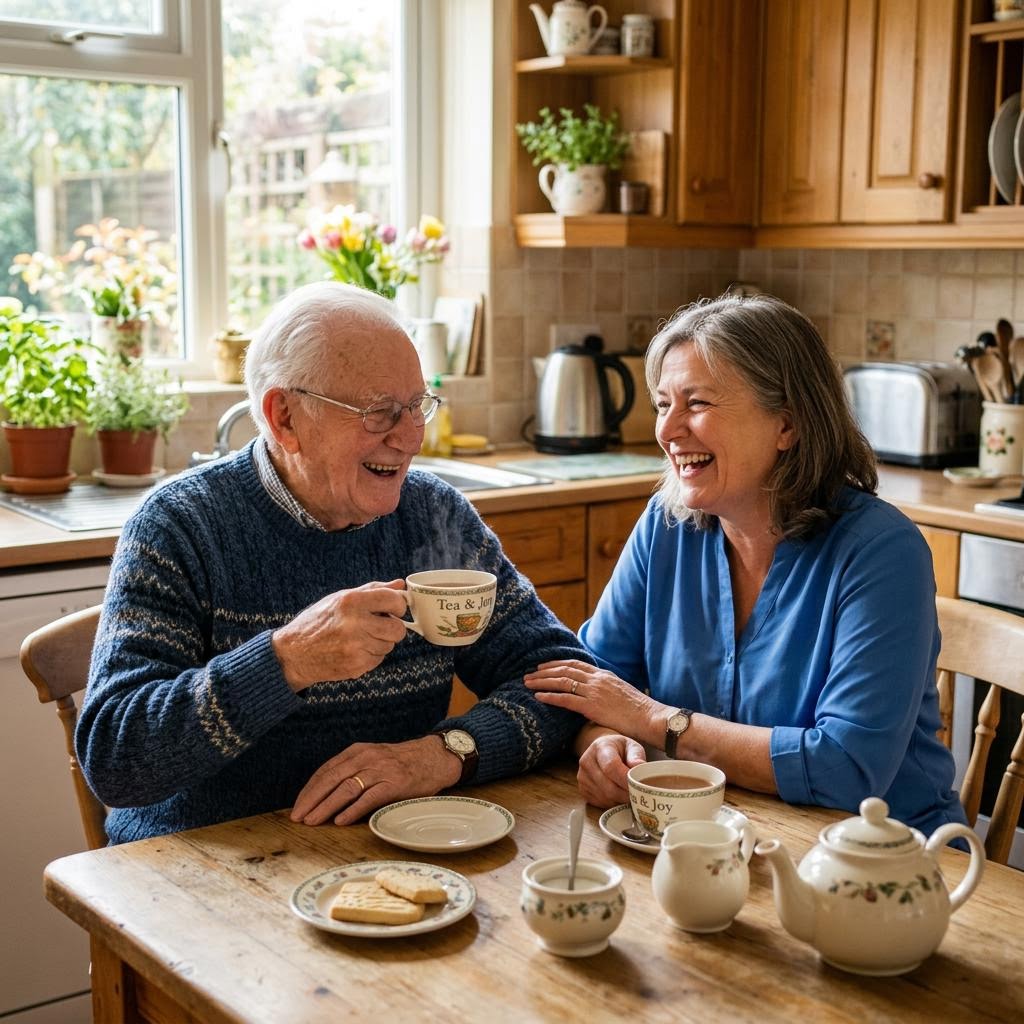
For many seniors living in the beautiful, bustling neighborhoods of the Lower Mainland: from the quiet streets of Burnaby to the vibrant communities in Richmond: the greatest challenge isn't always a medical condition. Often, it’s something much quieter and more invisible: loneliness.
As we move through 2026, the data tells a story that many families already know too well. Nearly one in three seniors in British Columbia reports feeling lonely regularly. In a city like Vancouver, where the rain can keep people indoors and family members are often balancing demanding careers in Surrey or Coquitlam, social isolation can quickly become a health crisis.
But what if the solution wasn't a prescription, but a person?
Companionship care is emerging as one of the most powerful tools in senior home care BC has to offer. It’s not about clinical tasks or medical monitoring; it’s about the human connection that allows our elders to thrive, not just survive, in the comfort of their own homes.
What exactly is companionship care and how does it differ from medical care?
When most people think of in home care Vancouver, they picture nurses or medication schedules. While those are vital, companionship care is different. It is a non-medical service focused on the heart and the mind.
Think of a companion as a "professional friend" who is there to provide:
- Meaningful Social Interaction: Genuine conversation about the news, family history, or shared interests.
- Emotional Support: Someone to lean on during the gray, rainy Vancouver winters.
- Assistance with Daily Life: Helping with light meal preparation, running errands at a local Coquitlam market, or going for a walk in Stanley Park.
- Cognitive Engagement: Playing puzzles, reading together, or learning a new hobby.
While medical care focuses on "what's wrong" with the body, companionship care focuses on "what's right" with the spirit. It’s about maintaining the quality of life that makes aging at home so desirable. If you're curious about where to begin, our guide for busy adult children is a great place to start.

Why is social interaction so important for seniors living alone in Vancouver?
The impact of isolation on a senior’s health is comparable to smoking 15 cigarettes a day. In the Lower Mainland, where physical barriers like traffic or weather can make it hard for seniors to get out, the risk of "social malnutrition" is high.
When a senior has regular social visits, the benefits are immediate and profound:
- Reduced Anxiety and Depression: Having a consistent visitor to look forward to can break the cycle of negative thoughts that often come with being alone.
- A Sense of Purpose: Socializing encourages seniors to stay dressed, keep their homes tidy, and remain engaged with the world.
- Safety and Awareness: A companion isn't just a friend; they are a second set of eyes. They notice if a senior is losing weight, if the house is getting cluttered, or if their mood has shifted: often long before a medical issue arises.
For many families in Richmond or Surrey, knowing that a dedicated professional is visiting their loved one provides a level of peace of mind that is truly priceless. You can learn more about why this shift in care is so impactful in our article on how companionship care changes lives.
Can companionship care help prevent cognitive decline and dementia?
One of the most frequent questions we hear at Pure Heart Home Care is: "Can a companion really help keep my mom's mind sharp?"
The answer is a resounding yes. The brain is like a muscle: it needs exercise. Engaging in complex dialogue, recalling memories, and even the simple act of following the rules of a card game provide essential "cognitive scaffolding."

By participating in meaningful activities, seniors can:
- Slow Cognitive Decline: Constant mental stimulation helps maintain neural pathways.
- Reduce Confusion: Having a predictable routine with a familiar companion provides a sense of security and reduces the "sundowning" effect often seen in the early stages of dementia.
- Build Resilience: Emotional health is closely tied to brain health. A happy, socially connected senior is more likely to stay mentally sharp than one who spends most of their time in silence.
How does regular companionship improve physical health and mobility?
It might seem counterintuitive, but a "social visit" often leads to better physical outcomes. Why? Because motivation is a social game.
A senior living alone in Burnaby might not feel like walking to the corner store or doing their prescribed physical therapy exercises. But when a companion arrives, that walk becomes a social outing.
Companionship care often includes:
- Accompaniment on Walks: Ensuring safety while getting fresh air in local parks.
- Better Nutrition: It’s more fun to eat when you have someone to talk to. Companions can help with light meal prep, ensuring the senior is eating fresh, healthy food rather than just tea and toast.
- Encouragement: Sometimes, all a person needs is someone to say, "Let's try standing up for five minutes," or "Let's go look at the garden."
Physical health and mental health are two sides of the same coin. By addressing the emotional need for connection, we often see a physical "rebound" in our clients. If you're wondering if this or a more hands-on approach is needed, check out our comparison of personal care vs. companionship care.
What are the benefits of companionship care for families in Richmond and Surrey?
If you are an adult child living in Surrey while your parents are in Vancouver, or perhaps you're even further away, the "caregiver's guilt" can be overwhelming. You want to be there, but life, work, and your own children make it impossible to visit every day.
Companionship care serves the family as much as the senior. It provides:
- Respite: Allowing you to be a daughter or a son again, rather than a task manager.
- Communication: Our caregivers provide updates, so you’re never in the dark about how Mom or Dad is really doing.
- Consistency: Unlike rotating family schedules, a professional companion is there at the same time, every time, creating a reliable anchor for the senior’s week.
For a deeper dive into the logistics, our ultimate guide to companionship care breaks down the costs and what to expect.
How do you find the right companion care in the Lower Mainland?
Choosing a companion is a deeply personal decision. It’s not just about finding someone with a clean background check; it’s about finding a personality match.
At Pure Heart Home Care, we pride ourselves on being a visionary leader in in home care Vancouver. We don't just "assign" a worker; we look for a connection. Whether your loved one is a retired professor in Vancouver who wants to discuss history, or a grandmother in Coquitlam who loves to bake, we find the person who will make them thrive.

Conclusion: More Than Just a Visit
In 2026, we have more technology than ever to "connect" us, yet our seniors are feeling more disconnected than ever. Companionship care is the antidote. It turns a house into a home again and a lonely afternoon into a highlight of the week.
If you’re noticing that your loved one in Vancouver, Burnaby, or the surrounding areas is becoming a bit more quiet, or if their house is starting to feel a little too empty, it might be time to consider the power of a friendly face.
Let’s help our seniors live their best lives: full of laughter, conversation, and the dignity they deserve.
Are you ready to see how a companion can transform your loved one's life?
Contact Pure Heart Home Care today for a personalized consultation. Let’s talk about how we can help your family thrive.
