Can Companionship Care Really Improve Mental Health? Find Out How it Fights Senior Isolation
By Beylah Rivera · June 8, 2026
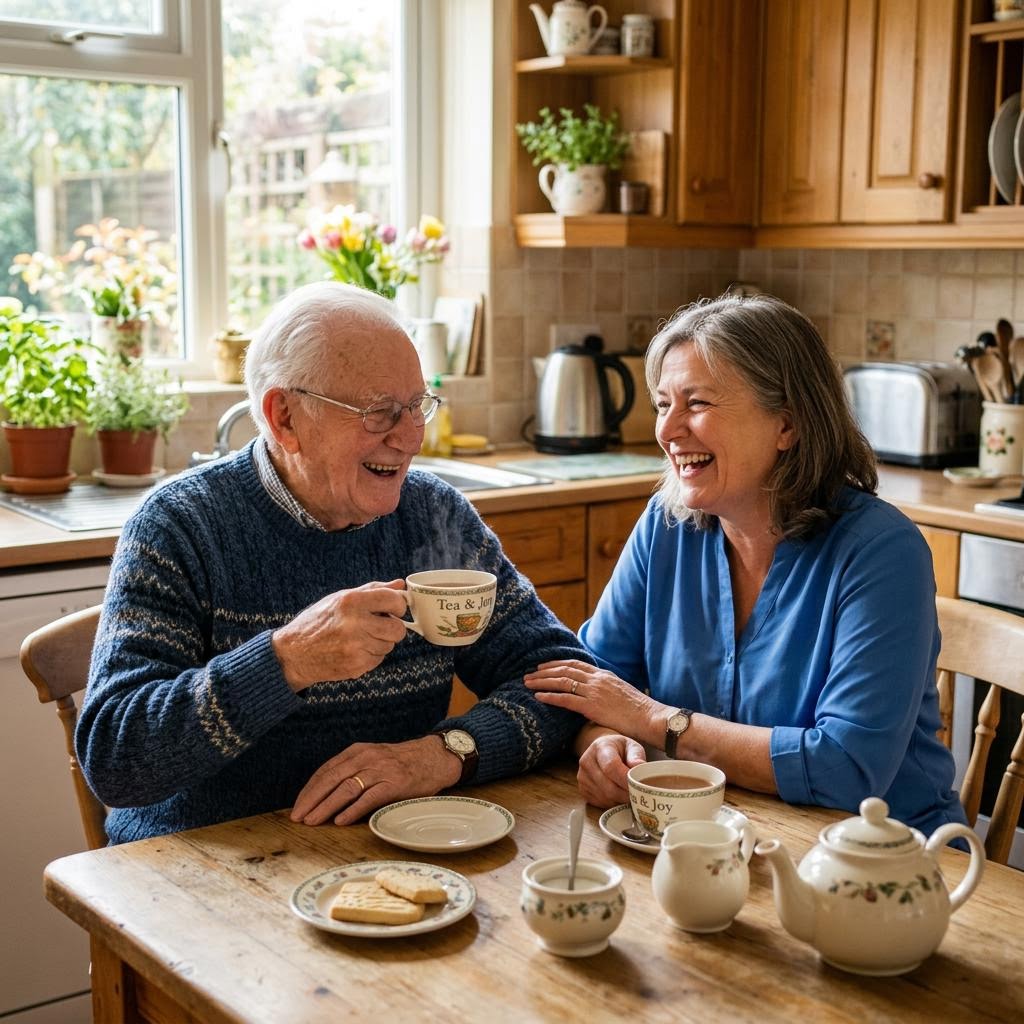
We often focus so much on the physical side of aging: doctor’s appointments, medication management, and mobility aids: that we overlook the "silent epidemic" happening right inside the home. For many seniors, the biggest threat isn't a fall or a cold; it’s the crushing weight of loneliness.
As we get older, our social circles naturally begin to shrink. Friends move away, spouses pass on, and children grow up to manage busy lives of their own. For a senior living at home, the silence can become deafening. But there is a solution that goes beyond just "checking in." Companionship care is emerging as one of the most powerful tools in our arsenal to protect and improve senior mental health.
In this guide, we’ll explore how senior home care is evolving into something much deeper than just "help around the house." We’ll look at the data behind isolation and show you exactly how regular, compassionate interaction can transform your loved one's quality of life.
What exactly is companionship care?
If you’re new to the world of home care services, you might wonder how companionship differs from something like personal care support.
While personal care focuses on the "activities of daily living" (like bathing or dressing), companionship care is focused entirely on the emotional and social well-being of the individual. It is non-medical support that prioritizes human connection. A companion is there to:
- Share a meaningful conversation over morning coffee.
- Play board games or work on puzzles to keep the mind sharp.
- Accompany the senior on walks or social outings.
- Help with light household tasks like meal prep or gardening.
- Provide a sense of safety and "presence" in the home.
Think of it as having a dedicated, professional friend whose only goal is to ensure your parent feels seen, heard, and valued.
How does social isolation affect a senior's mental health?
The statistics are sobering. Recent studies show that roughly one-third of older adults feel lonely or socially isolated. This isn't just a "sad feeling": it is a major health crisis. According to the CDC, social isolation increases a person’s risk of premature death from all causes, a risk that may rival those of smoking, obesity, and physical inactivity.

When a senior is isolated, their brain undergoes changes. The lack of stimulation and connection can lead to:
- A 50% increased risk of dementia: Without social interaction, the brain "atrophies" faster in areas responsible for memory and executive function.
- Increased Anxiety and Depression: Loneliness triggers the body’s stress response, leading to chronic feelings of emptiness and worry.
- Physical Decline: It’s a cycle: poor mental health leads to less physical activity, which leads to higher risks of heart disease and stroke.
This is why we often say that companionship care is essential. It isn't a "nice-to-have" luxury; it is a clinical necessity for healthy aging.
The 4 biggest ways companionship care boosts mental well-being
So, can a few hours of visiting really make a difference? Absolutely. Here is how in home care professionals move the needle on mental health:
1. It provides a "Purposeful Presence"
One of the hardest parts of aging is feeling like you are no longer needed. A companion doesn't just "do things" for the senior; they do things with them. Whether it’s folding laundry together or discussing the daily news, these interactions give a senior a reason to get dressed and engage with the world. This sense of purpose is a direct combatant to depression.
2. It sharpens cognitive function
Conversations are like a workout for the brain. Recalling stories, processing new information, and even the simple back-and-forth of a joke requires significant cognitive effort. Research has shown that seniors with frequent social interactions see 70% less cognitive decline than those who remain isolated.

3. It offers early detection of health changes
A companion caregiver gets to know your parent’s "baseline." They notice if Dad is more confused than usual, or if Mom isn’t eating as well as she did last week. By having a regular set of eyes in the home, you can catch mental and physical health issues long before they become emergencies. This peace of mind is vital for families who can't be there every day.
4. It bridges the gap to independence
Many seniors resist help because they fear losing their independence. However, senior home care actually extends independence. By providing the support needed to stay safe and socially active, seniors can avoid the transition to institutional living for much longer.
Is companionship care only for seniors who live alone?
Not at all. In fact, many of our clients live with their families. So why do they need a professional companion?
- For the Family: Caring for an aging parent is a full-time job. Families often use respite care to take a breather, knowing their loved one is still getting high-quality social interaction.
- For the Senior: Sometimes, a senior wants to talk about things they don't want to "burden" their children with. A professional caregiver provides a safe, neutral space for them to express their feelings.
- For 24/7 Needs: In cases where a senior has advanced dementia or mobility issues, 24 hour home care ensures they are never left in the dark: both literally and emotionally.
How to tell if your parent needs a companion
It isn't always obvious when someone is struggling with isolation. Look for these red flags:
- Neglected hygiene: They’ve stopped caring about how they look because they don't expect visitors.
- A "quiet" house: The TV is on 24/7 just for background noise.
- Forgetfulness: They seem to be losing their "spark" or mental sharpness.
- Irritability: Loneliness often masks itself as anger or frustration.
If you notice these signs, it might be time to look into the ultimate guide to companionship care to see how it can fit into your family's routine.

Practical steps to fight isolation today
While professional care is a fantastic long-term solution, there are things you can do right now to help your aging parents:
- Schedule "Micro-Visits": Even a 10-minute video call every day is better than one long visit once a week. Consistency matters more than duration.
- Enlist the Grandkids: Seniors love feeling connected to the younger generation. Encourage the kids to send letters, drawings, or texts.
- Check Local Community Centers: Many neighborhoods offer senior mixers or hobby groups that can provide a social outlet.
- Consult a Professional: If the logistics of being there yourself are becoming too much, reach out to a professional service. At Pure Heart Home Care, we specialize in matching the right personality to the senior, ensuring the connection is genuine.
Final Thoughts: A Vision for Better Aging
At Pure Heart Home Care, we believe that aging should be a season of connection, not a season of retreat. Our mission is to transform the way we think about home care services. It’s not just about "maintenance": it’s about enhancement.
By inviting a companion into your home, you aren't admitting defeat. You are opening a door to a more vibrant, mentally sharp, and emotionally fulfilled life for the person who raised you.

If you're ready to see how companionship can change your family's life, let’s talk. Our personalized care plans are designed to meet your loved one right where they are.
Does your loved one seem more withdrawn lately? What are the biggest social hurdles they face? Share your thoughts with us, and let's find a way to bring the heart back into home care together.