Do You Really Need 24/7 Monitoring? Here’s the Truth About Tech vs. In-Home Care
By Beylah Rivera · June 8, 2026
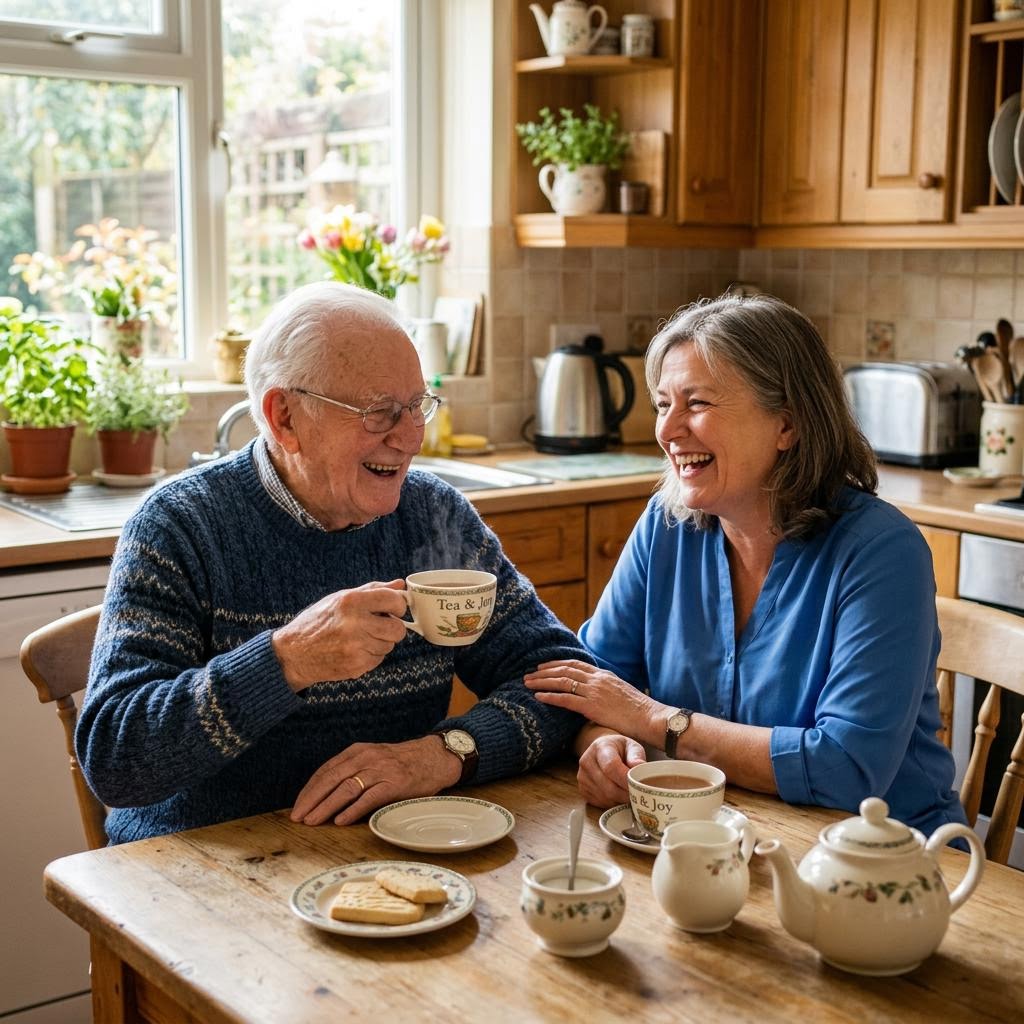
At Pure Heart Home Care, we often talk to families who are caught in a classic modern-day tug-of-war. On one side, you have the incredible advancement of technology, smart sensors, AI fall detection, and wearable buttons that promise "total peace of mind." On the other side, you have the traditional, heart-centered approach of having a living, breathing human being in the home.
The question Randall and our team get asked most often is: "Do we really need a person there 24/7, or can a high-tech camera system do the job?"
It’s a fair question. We live in an era where we can monitor our front porches from our phones and track our heart rates on our wrists. But when it comes to the safety and dignity of an aging parent, the "truth" is a bit more nuanced than a marketing brochure for a medical alert button might suggest. Let’s dive into the reality of tech versus human touch, and how to figure out which path leads to the best life for your loved one.
What Does "24/7 Monitoring" Actually Mean?
Before we compare them, we have to define them. These two options are often sold under the same "safety" umbrella, but they function in completely different worlds.
Tech-Based Monitoring is essentially a "reactive" safety net. It includes things like:
- Medical alert pendants and wristbands.
- Motion sensors that track movement patterns (e.g., "Did Mom open the fridge today?").
- Bed sensors that alert you if someone hasn't returned to bed after a certain amount of time.
- Video cameras (which can often feel intrusive but offer visual confirmation).
24/7 In-Home Care is a "proactive" support system. This means professional caregivers are physically present in the home at all times. In a true 24-hour home care vs. part-time support scenario, the care is often split into shifts so that a caregiver is awake, alert, and ready to help, even at 3:00 AM.

The Strengths and Limits of Technology
Let’s be clear: Technology is amazing. For a senior who is still mostly independent but has a slight risk of a fall, tech can be a game-changer. It’s affordable, it’s less "in your face" than having a stranger in the house, and it allows a senior to feel like they are still the king or queen of their castle.
However, technology has some critical "blind spots" that families often overlook until an emergency happens.
The "Button" Problem
A medical alert button only works if the person is wearing it and is physically/mentally capable of pressing it. In many real-life scenarios, like a sudden stroke, a confusing fall, or an advanced stage of dementia, the senior may forget they have the button, lose it, or simply be unable to reach it.
Detection vs. Prevention
This is the biggest truth of all: Tech detects; it doesn't prevent. A sensor can tell you that your dad fell in the bathroom. It can even call EMS for you. But it cannot catch him before he hits the floor. It cannot help him navigate a slippery tile floor at midnight when he’s groggy from sleep. If you are noticing 5 signs your aging parent needs in-home care services, you’re likely seeing things that tech just can't fix.
The Human Advantage: Why Presence Matters
At Pure Heart Home Care, we believe that care isn't just about avoiding a crisis, it’s about enriching a life. When you choose in-home care over a purely tech-based solution, you aren't just buying "monitoring." You’re investing in a relationship.

Real-Time Judgment
A camera cannot smell if the stove was left on. A motion sensor cannot see that a senior looks "a bit off" or pale today, which might indicate a burgeoning UTI or a medication side effect. Caregivers use their human senses and professional intuition to spot subtle changes in health and mood before they turn into hospital visits.
Dignity in Daily Living
For many seniors, the "danger" isn't a massive heart attack; it’s the slow decline of hygiene and nutrition. A sensor won't help your mother get a dignified bath, prepare a nutritious meal, or provide the companionship care essential for Vancouver seniors. Human care addresses the "whole person," not just the "risk factor."
Managing "Sundowning" and Wandering
For families dealing with dementia or Alzheimer’s, tech is often insufficient. A door alarm might tell you Mom left the house, but then what? A 24/7 caregiver is there to gently redirect someone who is experiencing "sundowning" agitation or wandering, keeping them safe and calm within the comfort of their home.
When Is Tech "Enough"?
We aren't saying everyone needs a 24/7 caregiver immediately. Sometimes, a hybrid approach is the smartest move. Tech might be enough if:
- Cognition is High: They remember to wear their device and know how to use it.
- Mobility is Stable: They aren't prone to frequent falls and can move safely through the home.
- The Support Network is Close: You or a neighbor can get to the house in under 10 minutes if an alert goes off.
If these three things are true, you can likely start with in-home care 101 steps, perhaps a few hours of companionship a week combined with a good alert system.

The Checklist: Do You Need the Human Touch?
If you’re on the fence, ask yourself these "yes or no" questions. If you answer "yes" to more than two, tech-only monitoring is likely a risky gamble for your family.
- Has there been a fall or a "near miss" in the last 6 months?
- Are they waking up multiple times at night to use the bathroom?
- Is there any level of confusion, memory loss, or diagnosis of dementia?
- Do they struggle with "Activities of Daily Living" (bathing, dressing, eating)?
- Would they be unable to get themselves out of the house in the event of a fire?
- Do they feel lonely or isolated when left alone for long periods?
If the answer is "yes," it might be time to look at personalized home care services. It’s not about taking away their independence; it’s about giving them the support they need to remain independent for as long as possible.
Finding the Balance: The Visionary Approach
At Pure Heart Home Care, our vision is to move away from the idea of "surveillance" and move toward "support." We don't want our seniors to feel like they are being watched by a big brother in the form of a camera. We want them to feel like they are being cared for by a friend.
The "truth" about tech vs. in-home care is that technology is a tool, but humans are the solution. A sensor can tell you a heart is beating; a caregiver can help that heart feel full.
If you’re feeling overwhelmed by the choices, don't worry. Many families find that starting with respite care or part-time support is the perfect way to test the waters. You can see how your loved one reacts to having a professional in the home and adjust the level of care as their needs evolve.
Final Thoughts
Randall and the whole team here at Pure Heart believe that every family deserves to sleep soundly at night. If you’re laying awake wondering if a "beep" on your phone is enough to keep your parent safe, it’s probably time to have a conversation about a more human approach.
Technology can bridge the gap, but only a "Pure Heart" can provide the care that truly matters.

If you’re ready to explore what 24/7 care or a tailored support plan could look like for your family, reach out to us at Pure Heart Home Care. We’re here to help you navigate this journey with vision, inspiration, and: most importantly: heart.