Do You Really Need Senior Home Care? Here’s the Truth About Aging Safely at Home
By Beylah Rivera · June 3, 2026
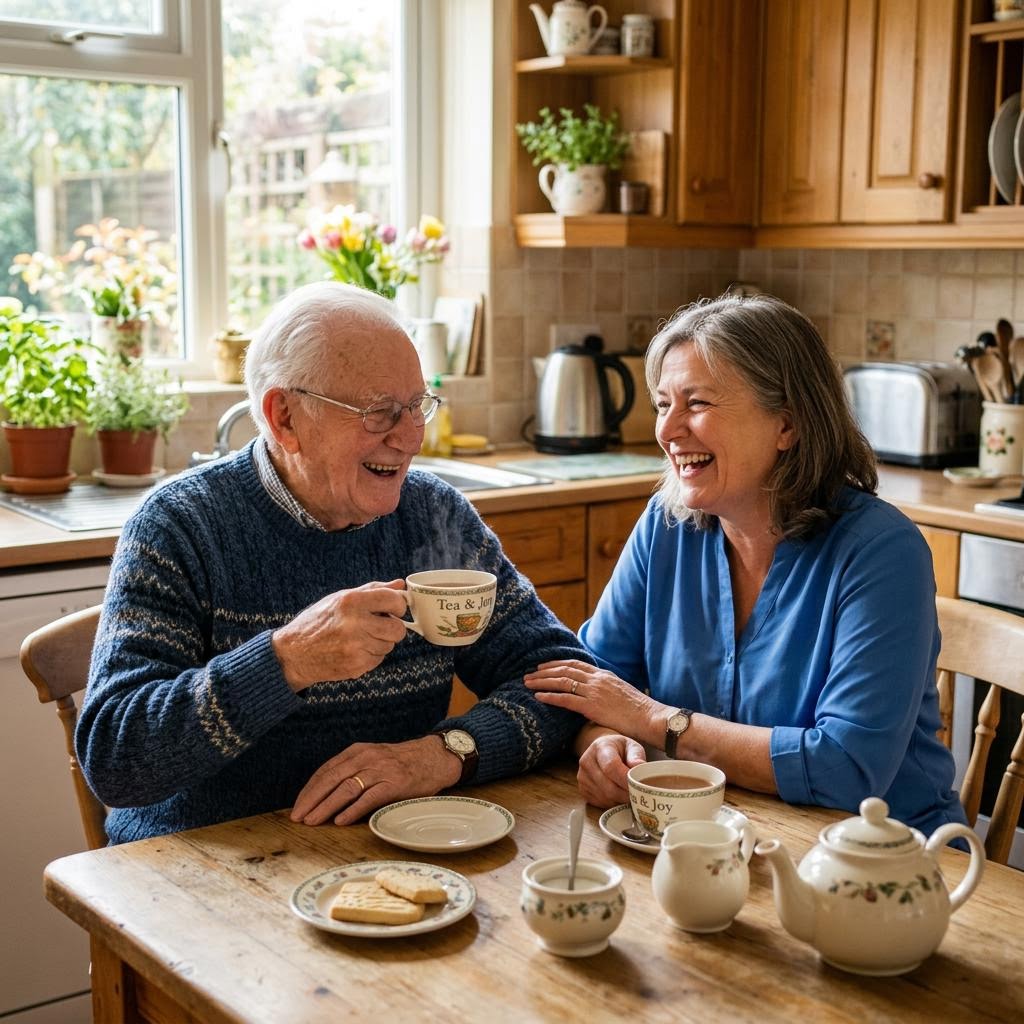
Deciding how to support an aging parent is one of the most emotional journeys a family can take. You want them to be safe, but you also want them to keep the independence they’ve cherished for a lifetime. You might find yourself asking: Is Mom safe at home alone? Should Dad still be driving? Are we waiting too long to get help?
At Pure Heart Home Care, we believe that "home" is more than just a place: it’s a sanctuary of memories and comfort. The truth is, most seniors don’t want to move into a facility. They want to stay exactly where they are. The good news? With the right senior home care plan, aging safely at home isn’t just possible: it’s often the best way to thrive.
In this guide, we’ll look at the reality of home healthcare, the signs it might be time for a helping hand, and how you can ensure your loved one stays safe without losing their freedom.
What are the benefits of aging safely at home?
There is a visionary shift happening in how we look at aging. It’s no longer about "managing decline"; it’s about "enhancing life." When a senior remains in their own home, they retain a sense of agency that is often lost in institutional settings.
The benefits of home care services go far beyond just physical help:
- Emotional Well-being: Familiar surroundings reduce anxiety and confusion, especially for those with mild memory issues.
- Personalized Care: Unlike a facility where one staff member might care for a dozen people, in home care provides one-on-one attention tailored specifically to your parent’s personality and needs.
- Healthier Outcomes: Studies show that seniors who age at home often experience fewer infections and a higher overall quality of life.
- Cost-Effectiveness: You only pay for the hours you need, whether that's a few hours of companionship care or more intensive 24 hour home care.
What are the signs your parent needs in home care services?
It’s easy to miss the early warning signs when you see your parents every day. Often, families wait until a crisis: like a fall or a missed medication: before looking for help. But the best time to start is before the emergency happens.
Ask yourself these questions:
- Is the fridge empty or full of expired food? This can signal that grocery shopping or cooking has become too difficult.
- Are there new dents in the car or unopened mail piling up? These are often signs of cognitive fatigue.
- Has their personal hygiene changed? If a loved one is wearing the same clothes for days, they might need personal care support with bathing or laundry.
- Are they withdrawing from social activities? Loneliness is a significant health risk for seniors.
If you’re noticing these red flags, it might be time to explore your options. You can read more about the 5 signs your aging parent needs in-home care on our blog.

The difference between companionship and personal care support
Not every senior needs a nurse. Sometimes, the "care" they need is simply a friend. Understanding the different levels of senior home care helps you build a plan that fits.
- Companionship Care: This is perfect for seniors who are mostly independent but are feeling isolated. A caregiver might come over to play cards, go for a walk, or help with light housekeeping and meal prep.
- Personal Care Support: This is more "hands-on." It includes assistance with what we call Activities of Daily Living (ADLs), such as bathing, dressing, and toileting. This level of care ensures dignity while keeping the senior safe from falls in the bathroom.
- Respite Care: This is for the family caregivers. If you are the primary person looking after your parent, you need a break to recharge. Respite care allows you to step away knowing your loved one is in professional hands.
A 5-minute home safety checklist for seniors
Aging safely at home requires a mix of professional help and a safe environment. Use this quick checklist to scan your parent’s home for common hazards:
- Lighting: Are hallways and stairs brightly lit? Are there nightlights in the path to the bathroom?
- Floors: Are there loose rugs or electrical cords that could cause a trip?
- Bathroom: Are there grab bars in the shower and near the toilet? Is the floor non-slip?
- Kitchen: Are frequently used items at waist height so they don't have to use a step-stool?
- Emergencies: Does your loved one have a way to call for help immediately (like a wearable alert device)?

When should you consider 24 hour home care?
There comes a point where a few hours a week isn't enough. If your loved one is prone to wandering, has advanced dementia, or is at a very high risk of falling during the night, 24 hour home care provides total peace of mind.
Having a caregiver present around the clock ensures that someone is always there to manage medication reminders, assist with midnight bathroom trips, and provide immediate help if an emergency occurs. It’s the highest level of support you can get while still allowing your parent to stay in the home they love. You can learn more about whether personal care at home is right for your senior through our detailed guides.

Choosing the right home care services for your family
At Pure Heart Home Care, we don't believe in "one size fits all." Every senior has a unique story, and every family has different needs. Our caregivers are carefully screened, but more importantly, they are chosen for their heart. We treat our clients with the same dignity and respect we would want for our own parents.
Whether you need someone for four hours a week to help with groceries and a friendly chat, or you need comprehensive support to manage a chronic condition, we are here to help you navigate the journey.
Take the first step toward peace of mind
Aging at home is a beautiful goal, and you don’t have to achieve it alone. By bringing in a professional team, you stop being just a "caregiver" and get to be a "son" or "daughter" again.
Ready to learn more? Contact us today for a personalized consultation to see how we can help your family age safely and comfortably at home.
