From Hospital to Home in Vancouver: How Companion Care Eases the Transition for Seniors and Families
By Beylah Rivera · July 30, 2026
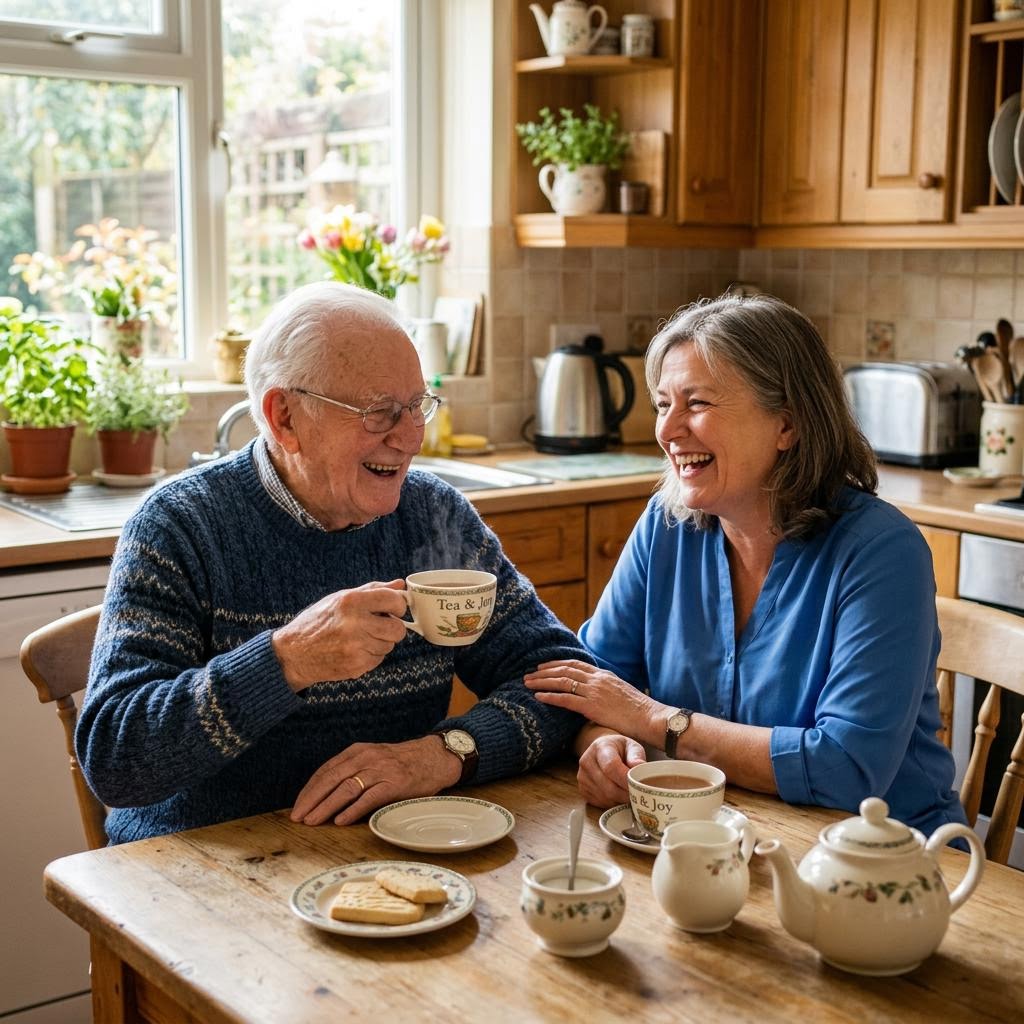
Bringing an aging parent or loved one home from the hospital should be a moment of pure relief. After days or weeks spent navigating sterile hospital corridors, medical jargon, and restless nights, the thought of returning to the comfort of home feels like the ultimate fresh start.
However, for many families across Vancouver, Burnaby, Richmond, Surrey, and Coquitlam, reality sets in the moment the front door opens. Discharge instructions are often complex, energy levels are depleted, and the home environment that once felt completely safe can suddenly present new challenges: from navigating steps to managing strict medication schedules.
If you are currently helping a relative navigate this delicate window, you are not alone. Transitioning from hospital to home requires more than just medical clearance; it requires steady, reassuring support. This is where in home care Vancouver families rely on, specifically compassionate companionship care, plays a transformative role in ensuring a safe, smooth, and dignified recovery.
What Happens When Seniors Are Discharged from Vancouver Hospitals?
When a senior is discharged from a facility like Vancouver General Hospital, Surrey Memorial, or Burnaby Hospital, the clinical team focuses heavily on immediate physical recovery. Yet, the gap between hospital care and independent living at home is often wider than families anticipate.
Common post-discharge hurdles include:
- Post-Hospital Fatigue & Weakness: Even after a successful procedure or treatment, older adults often experience extreme fatigue, making basic daily tasks like meal preparation or personal care overwhelming.
- Medication Confusion: Discharge summaries frequently introduce new prescriptions, altered dosages, or strict timing requirements that can easily lead to missed doses.
- Fall Risks: Weakness, dizziness, or unfamiliar mobility aids increase the risk of accidental slips during those crucial first few weeks back home.
- Emotional Vulnerability: The stress of illness and hospitalization can trigger anxiety, loneliness, or a lack of confidence in one's ability to live independently.
Understanding these challenges is the first step toward building a proactive support network. Exploring quality senior home care BC options before or immediately after discharge can dramatically reduce the risk of unexpected readmissions.

Why Is Companionship Care Essential During the Post-Hospital Phase?
When families think of post-hospital recovery, they often picture nurses or physical therapists. While clinical care is vital, non-medical companionship care fills the daily gaps that clinical staff simply cannot cover.
Here is how a dedicated companion caregiver bridges the hospital-to-home divide:
1. Gentle Reassurance and Emotional Support
Recovering at home can feel isolating, especially if adult children live busy lives or reside in different cities. Having a warm, professional companion present provides vital social connection. Knowing someone is there to chat, watch a favourite show, or simply listen eases anxiety and lifts spirits.
2. Reliable Medication Reminders and Routines
Missing or mistiming medications is one of the leading reasons seniors end up back in the hospital. While companions do not administer medical treatments, they provide timely reminders, ensuring your loved one stays strictly on track with their prescribed recovery routine.
3. Light Housekeeping and Nutritious Meal Preparation
After returning home, lifting a heavy pot or bending down to load the laundry machine can cause injury or severe fatigue. Companion caregivers take care of light housekeeping, laundry, and grocery shopping while preparing wholesome, nourishing meals tailored to dietary recovery guidelines.
4. Safe Escorts for Follow-Up Appointments
Follow-up doctor visits in Richmond, Surrey, or downtown Vancouver are non-negotiable after a hospital stay. A companion caregiver can coordinate transportation, assist with mobility out the door, and take notes during the medical consultation so family members stay fully informed.
To learn more about how everyday assistance works, visit our guide on the ultimate guide to companionship care.
How Can Families Coordinate a Seamless Transition Across the Lower Mainland?
Whether your family is based in Coquitlam, Burnaby, or right in Vancouver proper, putting together a coordinated discharge plan makes all the difference. Here are practical steps to make the transition stress-free:
- Involve the Hospital Discharge Planner Early: Before discharge day, speak with the hospital social worker or case manager. Ask about available public home support and identify what daily gaps remain.
- Book a Pre-Discharge Assessment: Reach out to local home care professionals ahead of time. A professional consultation allows care coordinators to assess the home environment and recommend customized support hours.
- Prepare the Home in Advance: Clear pathways, set up a bedroom on the main floor if necessary, stock the pantry with easy-to-prepare foods, and ensure emergency contact numbers are clearly visible.
- Layer in Flexible Support: You don’t need 24/7 care right away. Many families start with a few hours of support each day during the first critical week, scaling up or down as strength returns. For insights on scheduling, explore our resource on 24-hour home care vs part-time support.

What Should You Look for in a Vancouver Companion Care Provider?
Choosing the right care partner for your aging parent is deeply personal. When evaluating agencies providing in home care Vancouver and surrounding municipalities, keep these key criteria in mind:
- Personalized Care Plans: Every senior's health history and living situation are unique. Look for providers who take the time to build tailored care plans rather than offering a one-size-fits-all package.
- Thoroughly Screened Caregivers: Peace of mind comes from knowing your loved one is in trusted hands. Ensure caregivers undergo rigorous background checks, professional screening, and specialized training in senior support.
- Local Experience: An agency familiar with local neighborhoods: from navigating Coquitlam hills to scheduling parking near Vancouver clinics: ensures effortless logistics.
- Compassion and Dignity: Above all, caregivers should treat clients with warmth, respect, and deep empathy, fostering independence rather than taking over.
As noted in our article on why companionship care is essential for Vancouver seniors, human connection is the heartbeat of true healing.

Frequently Asked Questions About Hospital-to-Home Care in BC
How quickly can companion care start after a hospital discharge?
In many cases, private companion care can be arranged within 24 to 48 hours. Coordinating with an agency before discharge ensures a caregiver is ready the moment your loved one arrives home.
Does BC Medical Services Plan (MSP) cover private companion care?
MSP does not directly cover private non-medical home support services, though publicly subsidized home support may be available through regional health authorities based on income and health assessments. Many families use private companion care to supplement public services or bridge immediate gaps.
Can companion care help if my parent has mobility issues?
Yes. Companion caregivers assist with safe transfers, mobility around the home, walking support, and accompaniment to medical appointments throughout Vancouver, Burnaby, Richmond, Surrey, and Coquitlam.
Take the Next Step Toward Peace of Mind
Bringing a loved home from the hospital is a milestone worth celebrating, and you don’t have to carry the heavy lifting alone. With the right companion care team by your side, your family can focus on what matters most: spending quality time together and supporting a safe, comfortable recovery at home.
Explore more care tips and expert advice by visiting our Pure Heart Home Care blog. Ready to discuss a personalized transition plan for your family? Reach out to our compassionate team today for a friendly, no-pressure consultation.