How to Avoid the Biggest In-Home Care Pitfalls to Keep Your Aging Parent Independent at Home
By Beylah Rivera · March 29, 2026
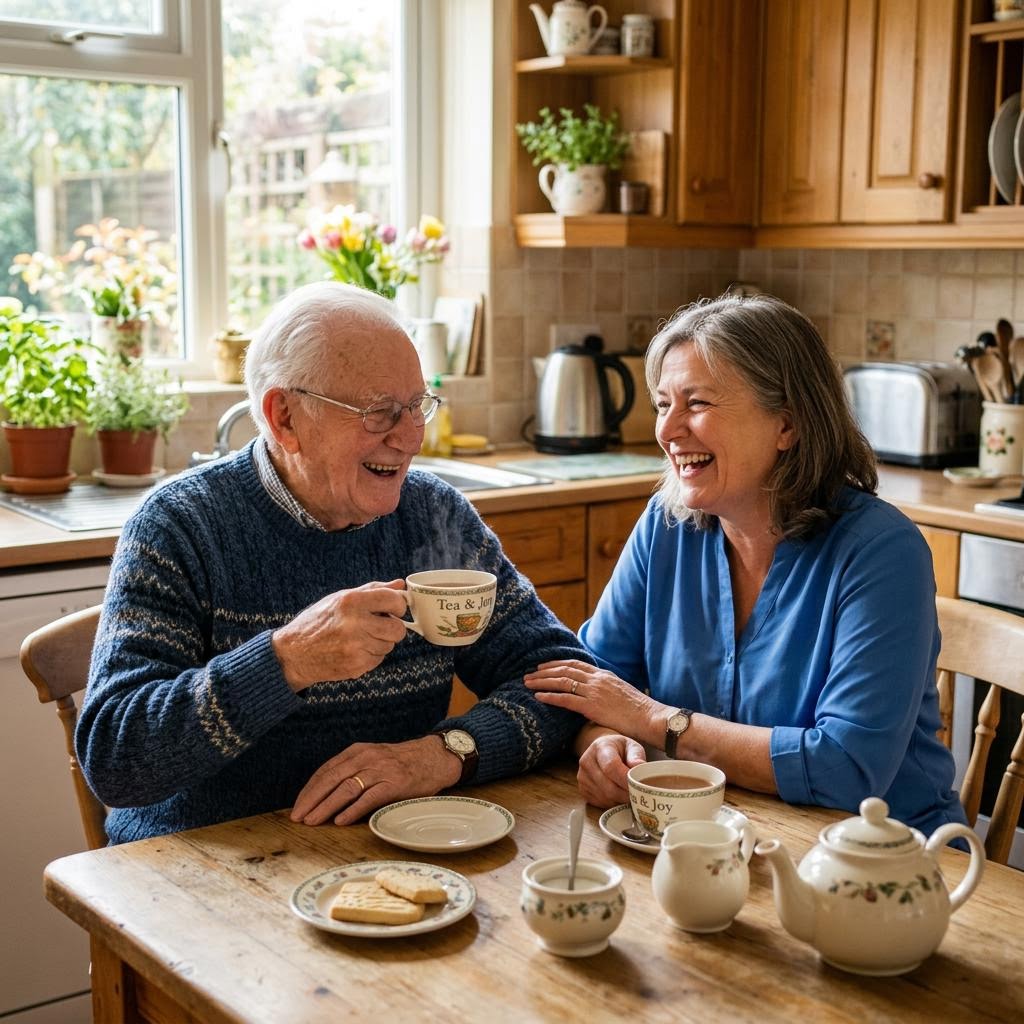
We all want the same thing for our parents: for them to stay in the place they love most: their home. There is something sacred about the four walls we’ve built our lives in. At Pure Heart Home Care, we believe that aging at home isn't just about safety; it’s about dignity, stories, and the freedom to wake up and make your own cup of coffee exactly how you like it.
But let’s be real for a second. Navigating in home care can feel like walking through a minefield. You want to help, but you don’t want to overstep. You want them safe, but you don’t want them to feel like they’re losing their autonomy.
I’m Randall, and I’ve seen families go through this transition hundreds of times. Most of the time, the "pitfalls" aren't caused by a lack of love: they’re caused by a lack of information. Today, I want to walk you through how to avoid the biggest mistakes so your aging parent can stay independent, empowered, and happy at home.
Why is communication the biggest factor in successful senior home care?
One of the most common mistakes I see is what I call the "The Great Takeover." It happens when well-meaning adult children start making decisions for their parents instead of with them.
When you suddenly start talking to doctors or hiring home care services without involving your mom or dad, it creates a "them vs. us" dynamic. They might feel like they are being sidelined in their own life. This often leads to resistance, even if the care is desperately needed.
To avoid this, keep the conversation open. Ask them: "What part of the day is getting harder for you?" or "How can we make sure you stay in this house for the next ten years?" By framing it as a strategy for independence, you become their ally. If you're just starting this journey, check out our guide on 10 things you should know before your first consultation to help set the right tone.

How often should you update a senior's care plan?
Another pitfall is the "Set It and Forget It" mentality. Life is dynamic, and aging is a journey that changes month by month. Maybe your dad just needed help with the groceries in January, but by June, he’s struggling with his balance in the shower.
If you assume a care plan stays static, you risk missing the moment when "a little help" needs to transition into personal care support. We recommend a "Care Audit" every three to six months. Sit down and look at what’s working and what isn’t.
Are there new health warning signs? Are they losing weight? Are they more fatigued than usual? Proactive adjustments prevent small issues from turning into emergency room visits. You can read more about 7 mistakes you’re making with senior home care to see if you've fallen into the "static plan" trap.
What are the most common home safety hazards for seniors?
You can have the best senior home care in the world, but if the house itself is a hazard, independence is at risk. Falls are the leading cause of injury for seniors, and most happen in the bathroom or on stairs.
Avoiding this pitfall means looking at the home through a new lens.
- The Bathroom: Install grab bars and non-slip mats. This isn't "nursing home" gear; it's "independence gear."
- Lighting: Dim hallways are a recipe for disaster. Install motion-sensor lights.
- Clutter: That beautiful rug might be a trip hazard.
By making these physical modifications early, you extend the "expiration date" of the home's layout, allowing your parent to move freely without fear. For a deeper dive into the basics, our Home Care Services 101 guide covers the essential groundwork.

Why is respite care essential for the family caregiver?
Here is a hard truth: You cannot give what you do not have. Many adult children try to carry the entire load alone: managing meds, doing the shopping, cleaning the house, and providing emotional support.
This leads to "Caregiver Burnout," and when you burn out, the quality of care for your parent suffers. You might get impatient, miss a symptom, or simply get sick yourself. Seeking respite care is not an admission of failure; it’s a strategy for sustainability.
Whether it’s a professional caregiver coming in for four hours a week so you can go to the gym or grab a coffee, that break allows you to return to your parent as a son or daughter, not just a stressed-out assistant. Learn how to take that much-needed break in our Respite Care 101 guide.
How does companionship care prevent senior isolation?
We often focus so much on the physical: the pills, the meals, the baths: that we forget about the soul. Social isolation is a silent killer. It leads to depression, cognitive decline, and a shorter lifespan.
One of the biggest pitfalls is thinking that "as long as they are safe, they are fine." But a senior sitting alone in a clean house is not "fine." This is where companionship care becomes visionary. It’s about having someone to talk to, someone to go for a walk with, or someone to share a hobby with.
At Pure Heart Home Care, we’ve seen how companionship care can change the way your parent lives. It turns "surviving" into "thriving."

What signs indicate a senior needs 24 hour home care?
Sometimes, the pitfall is waiting too long to acknowledge that needs have escalated. We want to believe Mom is doing okay, but ignoring the red flags won't make them go away.
Watch out for:
- Confusion about time or place: If they are getting lost in familiar areas.
- Unexplained bruising: A sign of falls they might be hiding.
- Wandering at night: Sleep disturbances that could lead to safety issues.
- Neglecting hygiene: If the shower has become a scary place for them.
When these signs appear, it might be time to discuss 24 hour home care. Having someone there around the clock ensures that even at 3:00 AM, your parent is never alone if they wake up confused or need to use the restroom. If you aren't sure where your parent stands, take a look at these 5 red flags your parent needs help.
Understanding the difference between 24-hour care and part-time support is key to making the right choice for your family's unique situation.
Keeping the Heart in the Home
At the end of the day, avoiding these pitfalls comes down to one thing: lead with love, but support with professional strategy. You don't have to be an expert in geriatrics; you just have to be an expert on your parent, and let us help with the rest.
Pure Heart Home Care was founded on the idea that every senior deserves to live a life full of purpose and connection, right where they belong. Whether it's through personal care support, a friendly face for companionship care, or the peace of mind that comes with 24 hour home care, we are here to ensure the heart stays in the home.
If you’re feeling overwhelmed or just don’t know where to start, reach out. Let’s talk about how we can keep your parent independent, safe, and: most importantly: happy.

Want to learn more about how to navigate this journey? Explore our full blog for more tips and stories from the heart of home care.