How to Choose the Best Senior Home Care: Comparing Support Options for Your Family
By Beylah Rivera · March 23, 2026
Choosing the right path for an aging parent or loved one is one of the most significant decisions a family will ever make. It’s not just about finding someone to help with the laundry or manage medications; it’s about honoring a lifetime of independence while ensuring safety and dignity. At Pure Heart Home Care, we believe that "home" isn't just a place, it's a feeling of security and a sanctuary for the soul.
Hi, I’m Randall, the owner of Pure Heart Home Care. I know how overwhelming this journey can feel. You want the best, but the terminology can be confusing. Is it "home health"? Is it "personal care"? Do they need "24 hour support"?
In this guide, we’re going to break down the different types of senior home care and help you compare support options so you can make a choice that feels right for your heart and your budget.
What is the difference between home care and home health care?
This is the most common question families ask. While they sound similar, they serve very different purposes.
Home care services (often called non-medical home care) focus on daily living activities. This includes things like meal preparation, light housekeeping, and mobility assistance. The goal is to help seniors stay independent in their own environment.
Home health care, on the other hand, is clinical. It is usually ordered by a doctor and involves licensed medical professionals like nurses or physical therapists. If your loved one needs wound care or specialized injections, home health is the route. If they need help with the "business of living," in home care is what you’re looking for.

Understanding the different types of home care services
Not every senior needs the same level of help. Some just need a friend to talk to once a week, while others require around-the-clock monitoring. Here is a breakdown of the primary options available to your family.
1. Companionship care: For the heart and soul
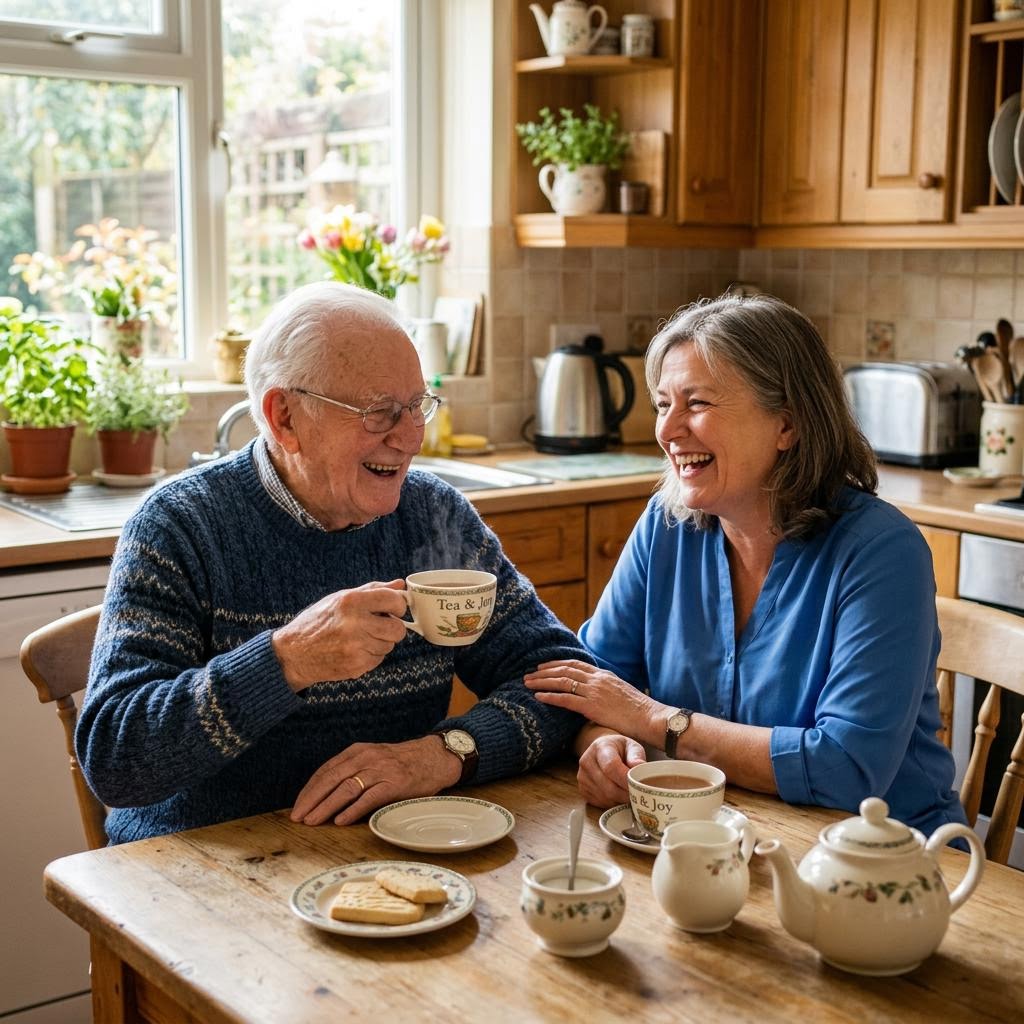
Loneliness is one of the biggest health risks for seniors. Companionship care focuses on emotional well-being. It’s about having someone to play cards with, go for a walk in the park, or simply share a conversation over tea. We’ve seen how transformative this can be for Vancouver seniors. You can learn more about why companionship care is essential to keep the spirit bright.
2. Personal care support: Help with daily living
As we age, tasks like bathing, dressing, or using the bathroom can become difficult or even dangerous. Personal care support provides a trained caregiver to assist with these intimate tasks with the utmost respect. This level of care is often the key to preventing falls and maintaining hygiene.
3. Respite care: A lifeline for family caregivers
If you are the primary caregiver for your parent, you know how exhausting it can be. You can’t pour from an empty cup. Respite care provides temporary relief, allowing you to take a vacation, handle your own health, or just take a breath. It’s not "giving up"; it’s making sure you are healthy enough to continue being there for them. Check out our guide to respite care for more on how this works.
4. 24 hour home care: Constant peace of mind
For seniors with advanced dementia, high fall risks, or chronic illnesses, 12 hours of care isn't enough. 24 hour home care ensures that there is always someone awake and alert to assist. This is often the best alternative to a nursing home, allowing your loved one to stay in familiar surroundings even when they need high-level supervision.

How do I know if my parent needs in home care?
It’s often hard to spot the "red flags" when you see your parents every day. Sometimes we normalize their decline because we love them. However, if you notice any of the following, it might be time to start a conversation:
- Unexplained weight loss: This usually means they are forgetting to eat or are unable to cook safely.
- A messy house: If a normally tidy person is letting mail pile up or dishes sit in the sink, they may be overwhelmed.
- Changes in hygiene: Not bathing or wearing the same clothes for several days is a major sign.
- Forgetfulness: Missing medication doses or leaving the stove on.
For a deeper dive into these warning signs, read our post on 5 signs your aging parent needs help.
Home care vs. Assisted living: Which is better?
This is the big debate. Should they stay or should they go?
Assisted Living/Facilities:
- Pros: Social community, built-in medical staff, no home maintenance.
- Cons: Loss of privacy, fixed schedules, high monthly costs, and the trauma of moving.
In Home Care:
- Pros: One-on-one attention, staying in a familiar environment, flexible scheduling (from 4 hours to 24), and often more cost-effective for those who don't need total medical intervention.
- Cons: Home maintenance still exists (though caregivers can help with light chores).
For most families we work with, the goal is "aging in place." Research consistently shows that seniors who stay in their own homes tend to be happier and more cognitively engaged.
How to choose the right agency: 3 things to look for
Not all senior home care agencies are created equal. When you are interviewing potential partners, look for these three things:
- A Visionary Approach: Do they just want to "fill a shift," or do they want to improve your loved one's quality of life? At Pure Heart, we look at the whole person.
- Customized Care Plans: Avoid "one size fits all" packages. Your care plan should be as unique as your family.
- Caregiver Matching: It’s not just about skills; it’s about personality. The caregiver will be in your home: they should feel like family.
You can read about the 7 mistakes families make when choosing care to ensure you avoid the common pitfalls.

Is home care affordable?
Cost is a real concern for everyone. The beauty of home care services is their scalability. Unlike a facility where you pay a flat (and often high) monthly fee regardless of how much help you use, home care allows you to pay for exactly what you need.
Maybe you only need 10 hours a week to help with groceries and baths. Or maybe you need a more robust plan. By choosing personal care support at home, you are often saving thousands of dollars compared to the entry fees of high-end assisted living facilities.
Let’s talk about the next steps
I know this is a lot to take in. You’re doing a great job just by researching and trying to find the best for your family. That's the first step toward a better quality of life for your aging parent.
At Pure Heart Home Care, we are more than just a service; we are your partners in this journey. We want to see your loved ones thrive, laugh, and live safely. Whether you need companionship care to brighten their days or 24 hour home care for complete safety, we are here to help.
If you’re feeling a bit lost, I highly recommend our Home Care 101 guide for busy adult children. It’s designed to get you moving in the right direction without the stress.
You don't have to do this alone. Let’s create a plan that brings peace back to your family.

Need more advice? Explore our full blog for daily tips on senior health and family support, or contact us today to see how we can support your family's unique needs.