How to Choose the Best Senior Home Care: Private Support vs. Public Care Homes (Compared)
By Beylah Rivera · April 7, 2026
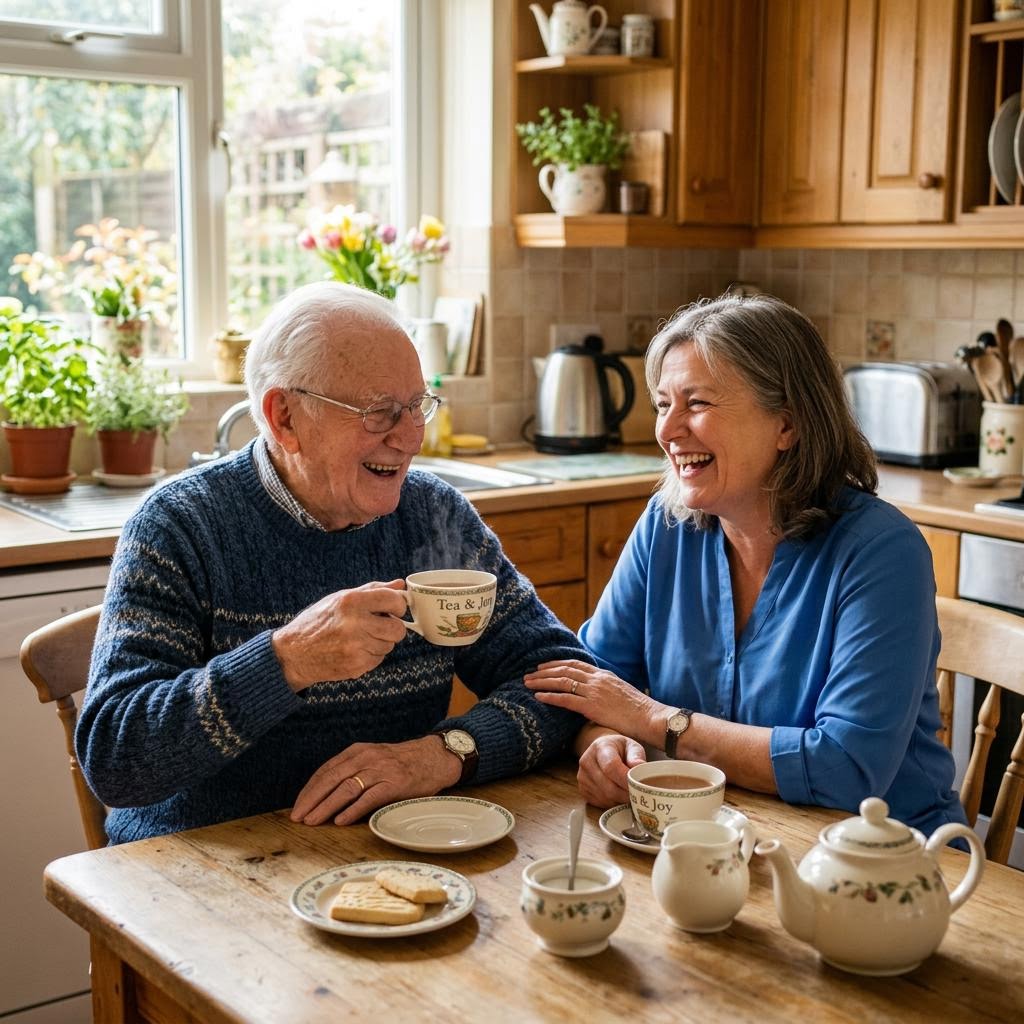
Hey there, I’m Randall. If you’re reading this, you’re likely standing at a crossroads. Maybe your mom had a fall, or your dad is starting to forget his medication, and you’re realizing that the "status quo" just isn’t working anymore. It’s a heavy moment, isn’t it? Deciding how to support the person who once supported you is one of the most visionary acts of love you’ll ever perform.
At Pure Heart Home Care, we talk to families every day who are caught between two worlds: bringing in private senior home care or looking into public community care homes. It’s not just a logistical choice; it’s about quality of life, dignity, and where your loved one feels most like themselves.
Today, let’s pull back the curtain on both options. I want to give you a clear, practical comparison so you can make a choice that feels right for your heart and your budget.
What is Private Senior Home Care?
When we talk about private in home care, we’re talking about bringing professional support directly into the sanctuary of the senior’s own home. This can range from a few hours a week of companionship care to around-the-clock 24 hour home care.
The goal here is simple: independence. We believe that aging isn’t a slow fade: it’s a new chapter that should be lived on one’s own terms. Whether it’s help with a morning routine or specialized personal care support, this model focuses on the individual.
What are the main benefits of in-home care?
The biggest draw for most families is the one-on-one attention. In a home setting, the caregiver isn't rushing between twelve different rooms. They are there for your parent. They know how Mom likes her tea and exactly where Dad keeps his favorite records. This level of personal care at home creates a bond that’s hard to replicate in a large facility.

What are Public or Community Care Homes?
Public care homes, often referred to as assisted living or long-term care facilities, are group settings where seniors live in a communal environment. These facilities provide housing, meals, and medical monitoring.
While "public" can sometimes imply government-run, many of these are community-based facilities that offer varying levels of structure. They are designed for seniors who might need more supervision than a family can provide alone, or for those who find the maintenance of a private house too overwhelming.
Privacy vs. Socialization: The Great Debate
One of the first questions I ask families is: "Does your loved one thrive in a crowd, or do they cherish their quiet moments?"
The Privacy of Home
With home care services, privacy is the default. Your loved one stays in the environment they know and love. They keep their own furniture, their own pets, and their own schedule. For many, this familiarity is the best medicine for cognitive health. If you’re seeing signs your aging parent needs help, bringing someone into their space can feel much less intrusive than moving them out of it.
The Social Life of a Facility
On the flip side, community care homes offer built-in social interaction. There are shared dining halls, organized bingo nights, and group exercise classes. For a senior who is feeling isolated or lonely, this can be a huge boost. However, the trade-off is a lack of control. Schedules for meals and baths are often set by the facility, not the individual.
Comparing the Costs: Private vs. Public
Let’s talk numbers, because I know that’s a major factor for every family.
- Private In-Home Care: On average, home care agencies charge around $30 per hour. The beauty of this is the flexibility. You only pay for what you need. If you only need respite care for a few hours a day to catch your breath, your costs stay manageable. However, if your loved one requires 24 hour home care, the costs can exceed those of a facility.
- Care Homes: Assisted living facilities typically average around $4,000 per month. This usually includes room, board, and basic care. While this provides a predictable monthly bill, it often comes with "add-on" fees for higher levels of care or specialized medical needs.
Choosing between the two often comes down to whether you need part-time support or full-time supervision. If you're curious about the breakdown, check out our guide on 24-hour care vs. part-time support.

Medical Needs and Safety
When you're evaluating senior home care, you have to be honest about the level of medical support required.
- Home Care: Professional caregivers can help with medication reminders, mobility assistance, and post-surgical recovery. If your parent needs "skilled nursing" (like wound care or IV therapy), you might need to hire a specialized home health nurse alongside your regular caregiver.
- Care Homes: These facilities often have medical staff on-site 24/7. This can provide a great sense of security for families dealing with advanced medical conditions or severe dementia where wandering is a concern.
However, for many, the safety of being at home with a dedicated caregiver outweighs the clinical feel of a facility. We find that seniors often recover faster and stay sharper when they are in a familiar environment.

The Management Burden: Agency vs. Independent
If you decide on private care, you have another choice: hire an independent caregiver or work with an agency like Pure Heart Home Care.
Hiring independently might save you a few dollars an hour, but it turns you into an employer. You have to handle payroll, taxes, and: most importantly: finding a replacement if the caregiver gets sick.
When you work with an agency, we handle all the heavy lifting. We match the caregiver to your loved one's personality, manage the scheduling, and ensure that companionship care is actually being delivered with heart. It’s about peace of mind for you, so you can go back to being the son or daughter rather than the care manager.
Is Personal Care Support Right for Your Family?
How do you know which way to lean? Ask yourself these four questions:
- Does my parent want to stay home? Most seniors do. If their home is safe or can be modified, staying put is usually the best option for their emotional well-being.
- Is socialization a priority? If they are lonely, a care home might help. If they have a strong neighborhood network, in home care preserves those local connections.
- What is the budget? Compare the monthly cost of a facility against the hourly rate of the care actually needed.
- How much care is needed? If they just need help with bathing and meals, home care is often the more affordable and personalized route.
For a deeper dive into the basics, I recommend reading our Home Care 101 guide.

The Pure Heart Vision: Aging with Dignity
At the end of the day, there is no one "right" answer: only the right answer for your family. We believe that every senior deserves to feel like the hero of their own story. Whether that happens through companionship care that keeps them laughing or 24 hour home care that keeps them safe, the goal is a life lived with purpose.
If you’re feeling overwhelmed by the options, don't worry. We’ve seen it all, and we’re here to help you navigate it. Before you sign any contracts, take a look at our list of 10 things you should know before your first consultation.
Choosing care is a visionary step. It’s about looking at the future and saying, "We’re going to make sure these years are full of light and support."
If you have questions about how home care services could work for your family in Vancouver, reach out to us. We’d love to hear your story and help you find the path that leads back to the heart of the home.
