How to Integrate Non-Medical Home Care Vancouver With Your Parent’s Medical Needs for Total Peace of Mind
By Beylah Rivera · July 12, 2026
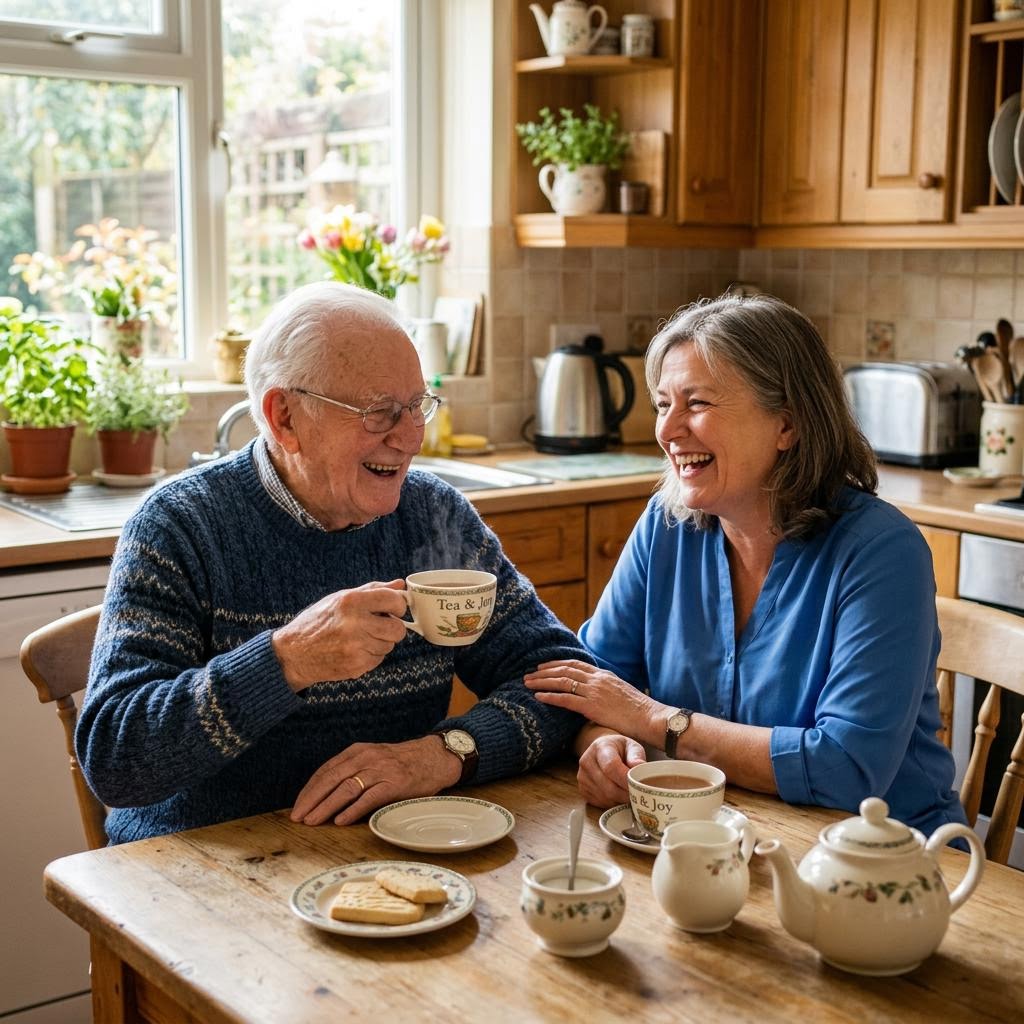
When your aging parent starts needing help, the world of healthcare can feel like a massive, complicated puzzle. On one hand, you have the medical side, doctors, prescriptions, and physical therapy. On the other hand, there’s the day-to-day reality of life, getting dressed, making lunch, and just having someone to talk to.
For many families in Vancouver, the biggest challenge isn't finding help; it’s making sure that the different types of support work together. You want your parent to be safe, healthy, and happy, but how do you bridge the gap between a clinical treatment plan and the simple, human need for companionship?
Integrating non-medical home care with medical needs is the "secret sauce" to aging in place successfully. It’s how you move from just "managing" to actually thriving. In this guide, we’ll show you exactly how to combine these services for total peace of mind.
What is the difference between medical and non-medical home care?
This is the most common question we hear from families. It’s easy to get the two confused because they both happen inside the home, but they serve very different purposes.
Medical Home Care (Home Health) is clinical. It is usually prescribed by a doctor and provided by licensed professionals like Registered Nurses (RNs) or Physical Therapists. Think of it as "bringing the hospital to the house." It includes things like wound care, managing complex injections, or post-surgery rehabilitation.
Non-Medical Home Care (Home Support) is lifestyle-focused. It’s provided by trained caregivers who help with the "Activities of Daily Living" (ADLs). This includes personal care support, meal preparation, light housekeeping, and companionship care.
At Pure Heart Home Care, we focus on the non-medical side because we believe that while medicine adds years to life, care adds life to years. When you integrate the two, you create a holistic safety net that covers every angle of your parent's well-being.

Why should you integrate medical and non-medical services?
You might wonder, "If my mom has a nurse coming twice a week, why does she need a caregiver too?"
The reality is that medical visits are often brief. A nurse might be there for 30 minutes to check blood pressure and change a bandage, but they won't be there to make sure your mom actually eats a balanced lunch or to notice that she’s feeling a bit lonely and hasn't left her chair all day.
By integrating home care services with medical treatment, you get:
- Continuous Monitoring: Our caregivers are the "eyes and ears" in the home. If a new medication is causing dizziness or a change in appetite, we notice it immediately and can alert you or the medical team.
- Adherence to Medical Advice: A doctor might say, "Eat low-sodium and walk for 10 minutes a day." A non-medical caregiver is the one who actually prepares that low-sodium meal and walks beside your parent to ensure they don't fall.
- Emotional Resilience: Medical treatments can be stressful. Having a familiar, friendly face for companionship reduces anxiety, which actually helps the body heal faster.
5 Steps to integrate care for your aging parent in Vancouver
1. Start with a comprehensive needs assessment
Before you hire anyone, you need a clear picture of the landscape. Talk to your parent’s primary doctor or specialist. What are the strictly clinical requirements? Then, look at the home environment. Is your parent struggling to bathe? Are they forgetting to take their pills?
We always recommend starting with a personalized care plan that outlines exactly where the medical needs end and the lifestyle support begins.

2. Choose agencies that value communication
The biggest hurdle to integrated care is "silos", when the nurse doesn't talk to the caregiver, and the family is left in the middle trying to play telephone.
When looking for senior home care, ask the agency how they coordinate with other providers. At Pure Heart Home Care, we pride ourselves on being part of your parent's "Care Team." We are happy to keep notes that medical professionals can review and to follow the guidelines set by your parent’s doctors.
3. Create a shared "Care Hub"
Whether it’s a physical binder in the kitchen or a shared digital app, there should be one place where all information lives. This should include:
- A current list of medications.
- The schedule for medical appointments.
- Daily notes from caregivers (e.g., "Mom drank 4 glasses of water today" or "Dad seemed a bit confused this morning").
- Emergency contact numbers.
4. Use medication reminders to bridge the gap
While non-medical caregivers cannot "administer" medication (like giving an injection), they are vital for medication reminders. This is one of the most critical points of integration. If a doctor prescribes a complex regimen of pills, our personal care support ensures those pills are taken at the right time, every time. This prevents the medication errors that often lead to hospital readmissions.
5. Adjust as needs change
Health isn't static. After a hospital stay, your parent might need 24 hour home care for a few weeks, which can then be scaled back to a few hours of companionship as they recover. Integration means having a flexible plan that grows and shrinks based on the current medical reality.

How do I know if my parent needs 24-hour care or just part-time help?
Deciding on the level of care is a big step. Often, the medical condition dictates this. For instance, if a parent has advanced dementia or is a high fall risk, 24-hour home care provides the constant supervision needed to keep them safe.
However, many families start with respite care. This allows the primary family caregiver to take a break while a professional steps in to handle the non-medical tasks. It’s a great way to "test the waters" of integration without making a full-time commitment right away.
The Pure Heart approach: Visionary care for Vancouver families
We don't just see ourselves as "helpers." We see ourselves as partners in your parent's journey. Our caregivers are carefully screened and trained not just to perform tasks, but to build relationships.
When you combine our home care services with your parent's medical plan, you are creating a home environment that is as safe as a facility but as warm and familiar as… well, home.

Common questions about integrating home care (Voice Search FAQ)
Can a home care worker give my parent their medication?
In British Columbia, non-medical caregivers can provide medication reminders and assistance with opening containers or handing the parent their pre-pilled organizer. However, they cannot "administer" medication in a clinical sense (like calculating dosages or giving injections) unless they have specific nurse delegation training for that specific client.
How much does senior home care cost in Vancouver?
Costs vary based on the level of care needed: from a few hours of companionship to round-the-clock support. Many families find that integrating non-medical care is more cost-effective than a full-time nursing facility, especially when it prevents expensive hospital visits due to falls or dehydration.
Does medical insurance cover non-medical home care?
Typically, basic BC Medical (MSP) does not cover non-medical home support. However, many long-term care insurance policies and some extended health benefits do. It is always worth checking your parent's specific policy.
What is the difference between "Home Health" and "Home Care"?
"Home Health" is medical (nurses, therapists) and is usually short-term and task-based. "Home Care" is non-medical (caregivers, companions) and is often long-term, focusing on the overall quality of daily life.
Conclusion: You don't have to do this alone
The goal of integrating non-medical care with medical needs is simple: total peace of mind.
It means knowing that while the doctors are looking at the charts, a Pure Heart caregiver is looking at your parent: making sure they are hydrated, nourished, safe, and most importantly, happy.
If you’re feeling overwhelmed by the logistics of caring for your aging parent in Vancouver, let’s talk. We can help you navigate these options and build a plan that lets your parent age with the dignity and respect they deserve.
Ready to find the perfect balance for your family? Contact Pure Heart Home Care today for a free consultation and let us help you bring the heart back into home care.