How to Integrate Smart Monitoring With In Home Care Services for Proactive Safety
By Beylah Rivera · May 2, 2026
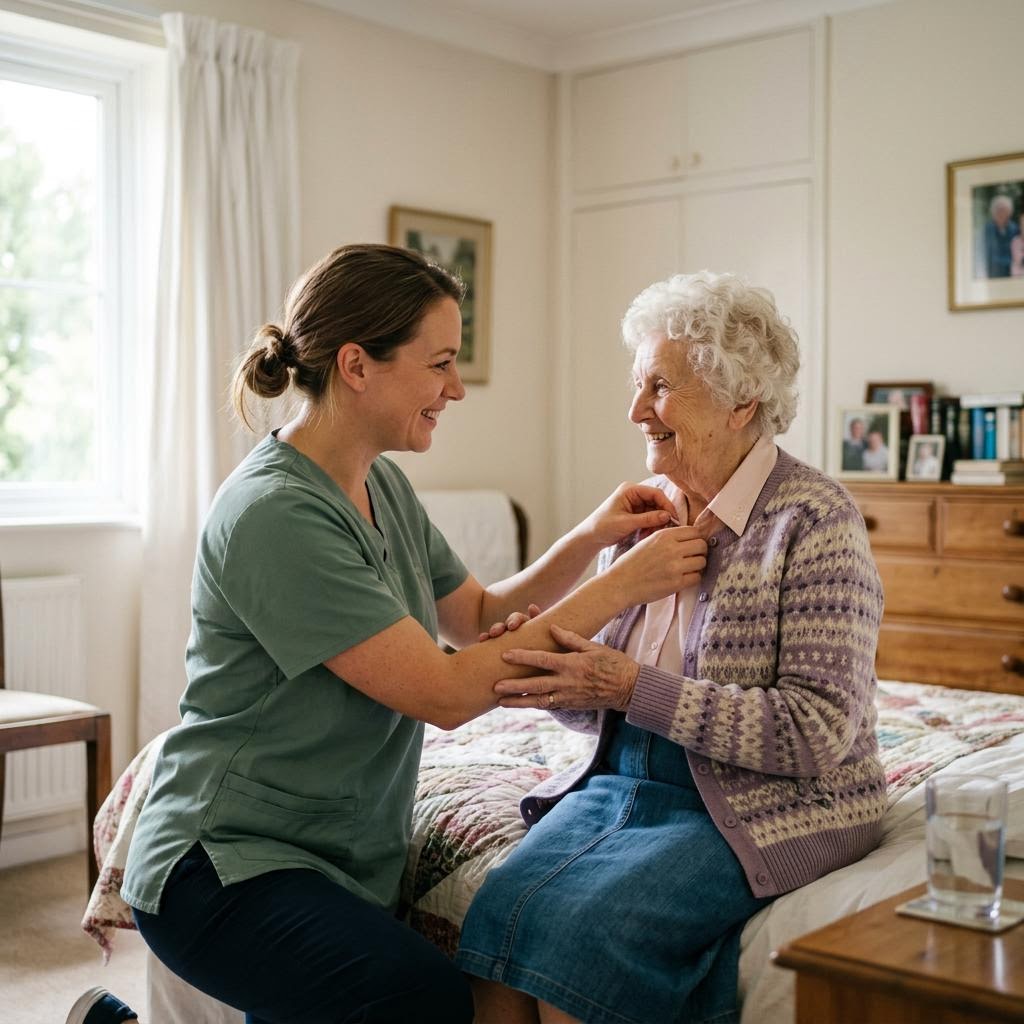
Hey there, I’m Randall, and if you’ve been following our journey here at Pure Heart Home Care, you know we’re obsessed with one thing: making life better for seniors in Vancouver. But we’re not just looking at how care was done ten years ago. We’re looking at the future.
In 2026, the conversation around aging at home has shifted. It’s no longer just about having someone there to help with a meal or a bath: though that’s still incredibly important. It’s about proactive safety. It’s about knowing something is wrong before the emergency call happens. That’s where the magic of smart monitoring meets the heart of professional in home care.
When we combine the latest technology with our compassionate home care services, we’re creating a "safety net" that never sleeps. Let’s dive into how you can integrate these two worlds to give your loved one the highest level of protection possible.
The Shift from Reactive to Proactive Care
For a long time, home healthcare was reactive. You’d wait for a fall, wait for a missed dose of medication, or wait for a noticeable decline in health before changing the care plan. At Pure Heart Home Care, we believe that’s a visionary approach that’s past its prime. We want to be proactive.
Proactive safety means using data to spot trends. Is Mom walking a little slower this week? Is Dad getting up more often at night? These are tiny "red flags" that a human might miss in a two-hour visit but that smart sensors pick up instantly. When you integrate these insights with professional in home care, our caregivers aren't just showing up; they’re showing up with a plan based on real-time data.

The "Smart" Toolkit: What We’re Looking At Today
Integration starts with the right tools. We aren't talking about invasive cameras that strip away privacy. We’re talking about smart, discreet tech that blends into the home.
- Wearable Sensors: These are the smartwatches and fitness bands that track heart rate, sleep quality, and even blood oxygen levels. They transmit data in real-time to health platforms, allowing us to see health dips before they become crises.
- Environmental Sensors: These are tiny devices placed around the home. They can tell if a fridge hasn't been opened (indicating a missed meal) or if a bathroom door hasn't been used. They can even detect falls without the senior needing to push a button.
- Smart Medication Dispensers: These machines alert the senior when it’s time for their meds and notify the family or the caregiver if a dose is skipped.
- AI-Driven Analytics: This is the "brain" of the operation. AI systems analyze the data from all these devices to detect abnormalities: like a change in gait that could predict a fall: and alert us instantly.
If you’re just starting to explore these options, I highly recommend checking out our guide on Home Care Services 101. It’s a great way to see how these pieces fit into the bigger picture of senior support.
How In Home Care Services Make Tech More Effective
Technology is powerful, but it’s just a tool. It needs a human heart to make it meaningful. This is where our home care services come in.
Imagine a sensor detects that a senior has been sedentary for six hours, which is unusual for them. An app sends an alert. Now, a machine can’t go into the kitchen, offer a glass of water, and check for signs of a urinary tract infection (UTI) or dehydration. But a Pure Heart caregiver can.
By integrating smart monitoring, our caregivers aren’t just "checking in." They are acting on "intelligent alerts." This coordination between family, tech, and professional staff ensures that the data actually leads to a better health outcome. This is especially vital for those using 24-hour home care, where the data helps the overnight shift stay hyper-aware of the client's needs.

Enhancing Personal Care Services with Data
When people think of personal care services, they usually think of help with bathing, dressing, and grooming. These are deeply personal, hands-on tasks. You might wonder: how does a smart sensor help with a bath?
The answer is safety and dignity. For example, if a smart scale (integrated with a health platform) shows a sudden 5-pound weight gain in two days, it could be a sign of fluid retention related to heart health. Our caregiver, performing personal care services, can then pay closer attention to swelling in the legs or shortness of breath while helping the client dress.
The tech provides the "why," and the caregiver provides the "how." It allows us to provide personalized home care services that are truly tailored to what the body is doing at that exact moment.

5 Steps to Integrate Smart Monitoring for Your Loved One
If you’re in Vancouver and looking to level up your loved one’s safety, here’s how I suggest you start:
1. Assess the Specific Risks
Does your parent have a high fall risk? Are they managing multiple medications? Or is memory loss a primary concern? Focus your tech investments on the areas of highest risk. If you're unsure what to look for, read up on the 5 signs your aging parent needs home care.
2. Choose "Open" Systems
Ensure the devices you buy can share data. You want a system where the blood pressure cuff, the watch, and the bed sensor all talk to the same dashboard that your in home care provider can access.
3. Loop in the Professionals
Don’t set it up in a vacuum. Talk to us! We can help you understand how our caregivers will use the alerts. For instance, we can include "Check Smart Monitor Alerts" as a standard part of every shift start.
4. Respect Privacy and Independence
The goal of smart tech is to keep people independent longer, not to make them feel watched. We always recommend choosing non-camera-based sensors (like motion or infrared) for private areas like bathrooms and bedrooms to maintain the senior's dignity.
5. Start Small
You don’t need a fully "smart home" overnight. Start with a smart watch and a medication dispenser. As your loved one gets comfortable, you can add more layers of protection.

The Real Benefit: Peace of Mind for Families
I talk to a lot of families who are "caregiver-lite": they’re doing a lot of the work themselves but feeling the burn. Integrating smart tech is a massive relief for them. It acts as a bridge during the hours when a professional caregiver isn't there.
If you’re feeling overwhelmed, respite care paired with smart monitoring is a game-changer. You can take that weekend away knowing that if Mom’s sensor detects something unusual, the system will alert the backup and the home care agency immediately.
Why This Matters for the Future of Vancouver Seniors
At Pure Heart Home Care, we aren't just a business; we’re a part of the community. We see how the landscape of Vancouver is changing, and we know that families want more than just "someone to sit there." They want a visionary approach to safety.
By bringing together high-tech monitoring and high-touch personal care services, we’re making it possible for seniors to stay in the homes they love, surrounded by their memories, while still being as safe as they would be in a clinical setting.
Integrating tech isn't about replacing people; it's about empowering them. It gives our caregivers "superpowers" to see the invisible trends that lead to better health. If you’re ready to talk about how we can build a custom, tech-enabled care plan for your family, let’s chat. We’ve seen firsthand how this integration changes lives: and we’d love to show you how it can work for you.

For more tips on choosing the right support for your family, check out our blog or read our deep dive on looking for in-home care and what you should know before your first consultation. Together, we can make home the safest place to be.