Is a Nursing Home Bad? Why Vancouver Families Are Choosing In Home Care Instead
By Beylah Rivera · July 9, 2026
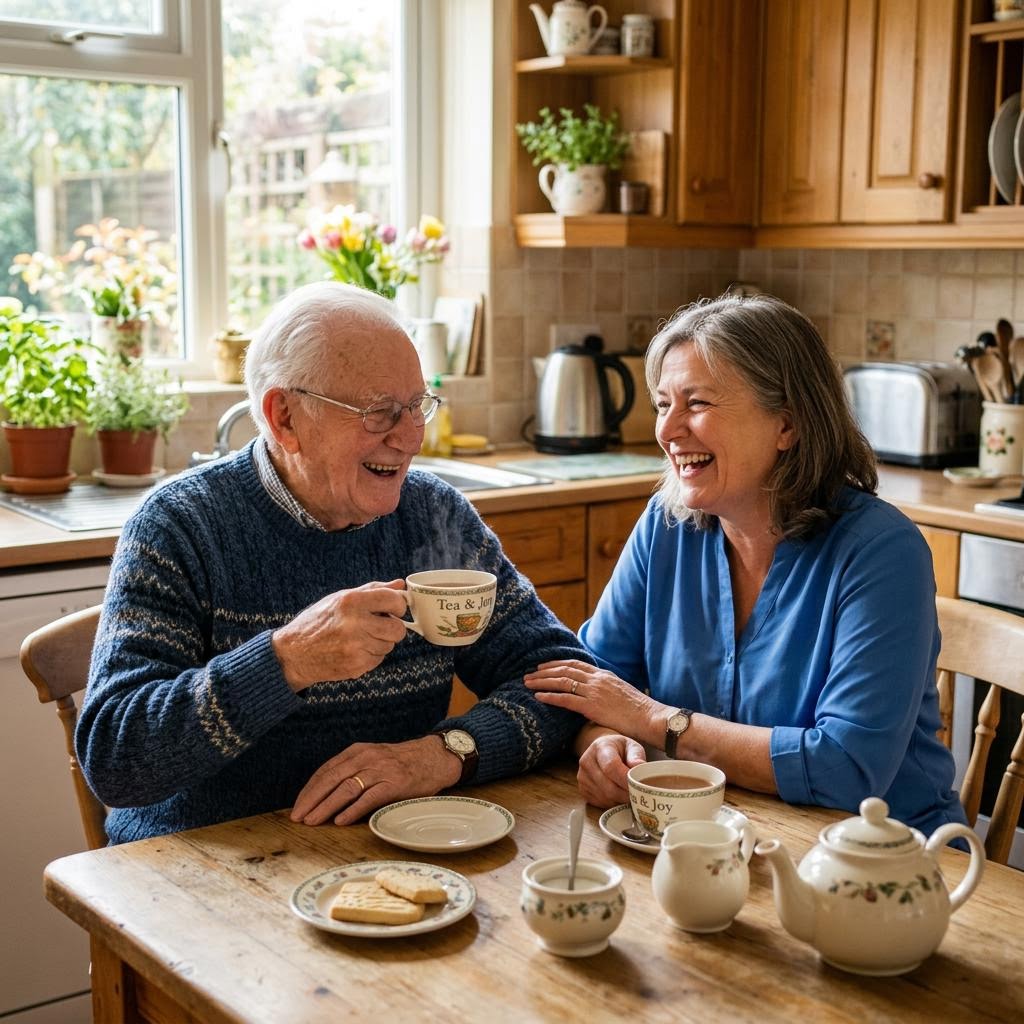
Choosing the right care for an aging parent is one of the most emotional and complex decisions a family will ever make. If you’ve been scrolling through websites or visiting facilities in the Lower Mainland, you’ve probably asked yourself a heavy question: "Is a nursing home bad?"
The short answer is no, nursing homes are not inherently "bad." They provide essential, high-level medical support for those who need constant clinical supervision. However, for many Vancouver families, the traditional institutional model is no longer the first choice. Instead, they are turning toward in home care to provide a life that is not just "cared for," but truly lived.
At Pure Heart Home Care, we see the shift every day. Families aren't just looking for a place to put their loved ones; they are looking for a way to keep them where they are happiest. In this guide, we’ll explore why the choice between a facility and home care services is changing and why staying home might be the most inspirational path for your family.
Is a Nursing Home Actually "Bad"? Understanding the Reality
When we think of nursing homes, many of us still have outdated images of sterile hallways and lonely dining rooms. Modern facilities have come a long way, but the core issue remains: they are institutions.
A nursing home is designed for efficiency and medical safety. This means schedules are fixed, meals are at 8:00 AM, 12:00 PM, and 5:00 PM. Bathing happens on a rotation. Your loved one is one of twenty or thirty residents assigned to a small team of staff.
For a senior who is still relatively independent but needs some personal care support, this loss of autonomy can feel like a heavy blow. This is why many families feel a sense of guilt when considering a facility. They aren’t worried about the "bad" care; they are worried about the loss of "home."
The Shift Toward Aging in Place in Vancouver
Vancouver is a city that celebrates life, nature, and independence. It’s no surprise that local seniors want to stay in the communities they’ve helped build. "Aging in place" isn’t just a buzzword; it’s a movement toward maintaining dignity.
Choosing senior home care allows your parent to wake up in their own bed, look out at their own garden, and eat their favorite meals on their own schedule. It preserves the small joys that make life meaningful, joys that are often lost in the transition to a facility.

Why Families are Choosing In-Home Care Services
Why are so many families in the West End, Kitsilano, and North Vancouver opting for home care? Here are the top reasons we hear from the families we serve:
1. One-on-One Personalized Attention
In a facility, staff are often stretched thin. In contrast, in home care provides a dedicated caregiver whose only focus is your loved one. Whether it’s help with mobility or simply a meaningful conversation, the care is tailored to the individual’s personality and needs.
2. Maintaining Independence and Routines
Independence is the cornerstone of mental health for seniors. Being able to decide when to go for a walk or which movie to watch provides a sense of control. Our companionship care focuses on keeping seniors engaged in their own lives, not just supervising them.
3. Safer and Healthier Environments
If we learned anything from recent years, it’s that congregate living settings can pose higher risks for infections. By staying at home, seniors significantly reduce their exposure to seasonal illnesses and healthcare-associated infections.
4. Cost-Effective Flexibility
Many people assume home care is more expensive, but that’s rarely the case for moderate needs. You can start with a few hours of respite care to give yourself a break, and scale up as needs change. You only pay for the hours you actually use, rather than a flat, high-cost monthly room-and-board fee.
Comparing the Costs: Nursing Home vs. Home Care
Let’s talk numbers. In British Columbia, the cost of private long-term care can be staggering, often exceeding $7,000 to $10,000 per month. Even subsidized beds require a significant portion of a senior's income.
Home care services offer a modular approach:
- Part-time support: Ideal for meal prep, medication reminders, and light housekeeping.
- Personal care support: Assistance with bathing, grooming, and mobility.
- 24 hour home care: For those who need round-the-clock safety but refuse to leave their house.
For many families, hiring an agency for 20-40 hours a week is significantly more affordable than a private facility, while providing a much higher quality of life. For a deeper dive into this, check out our guide on 24-hour home care vs. part-time support.

Is 24-Hour Home Care a Realistic Alternative?
A common concern for families is: "What if they fall in the middle of the night?"
This is where 24 hour home care becomes a game-changer. It provides the same level of supervision as a nursing home but within the comfort of a private residence. A caregiver is always awake and alert, ready to assist. It’s the ultimate peace of mind for adult children who might live across the country or even just across town but can’t be there overnight.
If you are seeing red flags that your parent needs help, it doesn't mean a move is inevitable. It just means the support system needs to be strengthened.
How to Know Which Choice is Right for Your Family?
Deciding between a nursing home and home care isn't about choosing "good" vs "bad." It's about choosing the right fit for your parent's current medical and emotional state.
Consider Home Care if:
- Your parent values their independence and wants to stay in their own home.
- They are medically stable but need help with "Activities of Daily Living" (ADLs).
- They have a beloved pet they don't want to leave.
- You want to remain deeply involved in their daily care and routines.
Consider a Nursing Home if:
- They require specialized medical equipment or 24/7 nursing intervention that can’t be managed at home.
- Their safety is at extreme risk (e.g., advanced wandering due to dementia that home modifications can't fix).
- The cost of 24/7 home care exceeds your family's budget and facility care is more accessible.

Pure Heart Home Care: Bringing the Care to You
At Pure Heart Home Care, we believe that aging is a beautiful, natural stage of life that should be celebrated, not hidden away in an institution. Our mission is to provide Vancouver families with a compassionate alternative to the traditional nursing home.
Whether you need a few hours of companionship care to brighten your parent's day or comprehensive personal care support, we are here to help. We treat our clients with the same dignity and respect we would our own family.
Not sure where to start? Read our Home Care 101 guide for busy adult children to get the clarity you need.
FAQs About Choosing In-Home Care in Vancouver
What is the main difference between a nursing home and in-home care?
The main difference is the environment and the ratio of care. Nursing homes are institutional settings with many residents and shared staff. In-home care happens in the senior’s own home with one-on-one attention from a dedicated caregiver.
Is in-home care more expensive than a nursing home?
Not necessarily. For part-time or moderate care (up to 40-50 hours a week), in-home care is usually more affordable. For 24/7 care, the costs can be comparable to high-end private facilities, but the quality of personalized attention is significantly higher.
Can home care handle dementia and Alzheimer’s?
Yes. Many caregivers are specifically trained in dementia care. In fact, staying in a familiar environment is often recommended for those with cognitive decline to reduce confusion and agitation.
What services are included in home care?
Services range from companionship and light housekeeping to medication reminders, meal preparation, and personal care like bathing and grooming.
How do I get started with Pure Heart Home Care?
We offer a free consultation to understand your family's unique needs and create a personalized care plan that fits your schedule and budget.