Is Assisted Living Bad? Why Personal Care Support at Home is the Compassionate Alternative for 2026
By Beylah Rivera · June 14, 2026
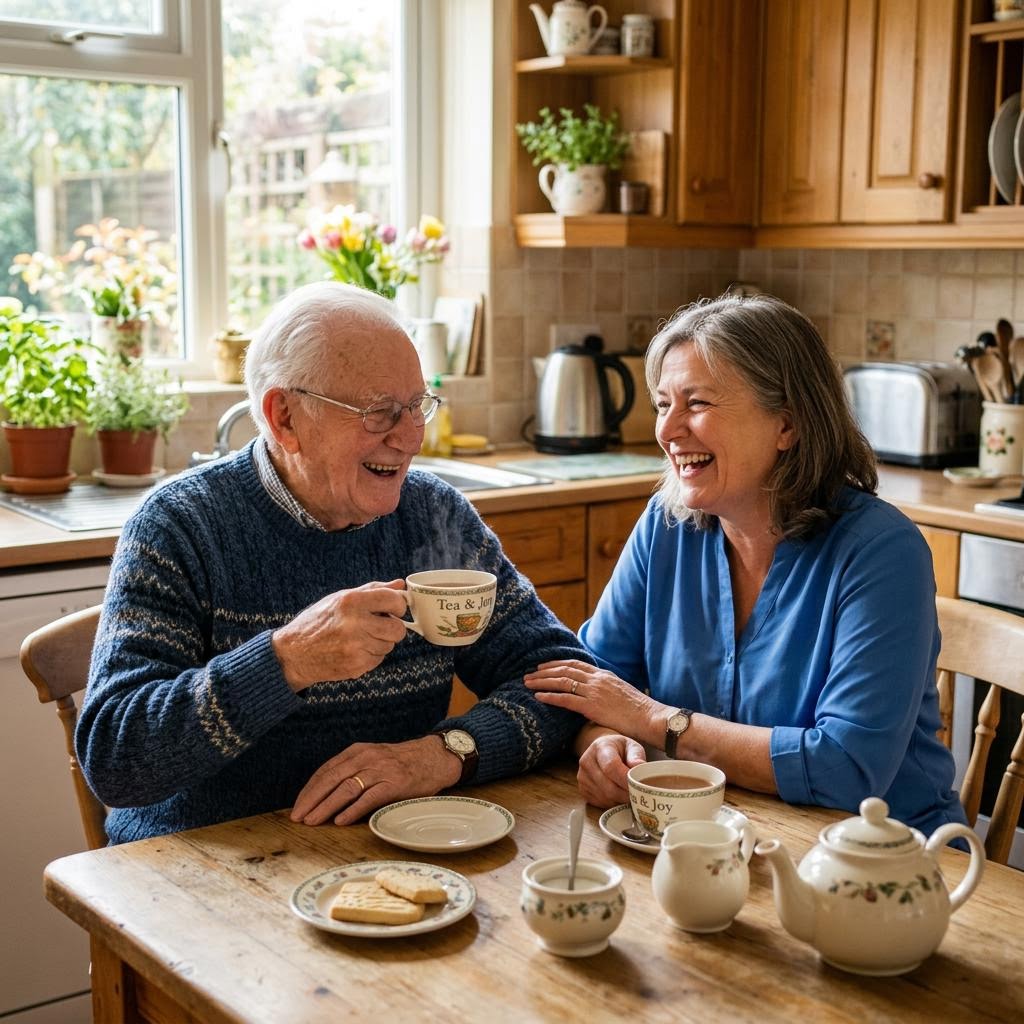
Choosing the right care path for an aging parent is one of the most emotional and complex decisions a family will ever make. As we move through 2026, the landscape of senior support has shifted. You’ve likely asked yourself: "Is assisted living bad?"
The short answer? No. Assisted living facilities provide vital services for many. However, for most seniors, the "best" care isn't about the amenities or the social calendar of a facility, it’s about the feeling of home. In 2026, personal care support at home has emerged as the most compassionate, visionary, and preferred alternative for families who want to honor their loved ones' independence while ensuring their safety.
At Pure Heart Home Care, we believe that aging is a journey that should be paved with dignity, not displacement. Let’s dive into why staying home with professional support is changing the way we think about the golden years.
What is the difference between assisted living and personal care support at home?
When families begin researching, the terminology can get confusing.
Assisted Living typically involves moving a senior into a residential community. They have a private or semi-private room/apartment and access to shared dining, social activities, and on-site staff for basic needs.
Personal Care Support at Home (often referred to as in-home care) allows your loved one to stay in their own residence. Professional caregivers come to them to assist with activities of daily living (ADLs) like bathing, dressing, meal preparation, and medication reminders.
The primary difference? Control. At home, the schedule is the senior's. The meals are what they like. The environment is filled with their memories. In assisted living, the senior must adapt to the facility’s schedule and culture.

Why Personal Care Support at Home is the Compassionate Choice in 2026
By 2026, the "aging in place" movement has become the gold standard. Research from groups like AARP consistently shows that nearly 80% of adults over 50 want to stay in their homes as they age. Here is why choosing home care services is often seen as the more compassionate route:
1. Preserving Emotional Well-being and Familiarity
Moving is stressful at any age, but for a senior, leaving a home of 30 or 40 years can be traumatic. It’s not just about the four walls; it’s about the neighbor who waves every morning, the garden they’ve tended for decades, and the "good chair" that fits just right. Personal care support preserves these emotional anchors, which are vital for mental health and cognitive function.
2. Tailored, One-on-One Attention
In an assisted living facility, the staff-to-resident ratio can vary wildly. A single caregiver might be responsible for 10 to 15 residents. With personal care support, the ratio is 1:1. Your parent isn't just another room number; they are the sole focus of a dedicated professional who understands their unique preferences, quirks, and medical history.
3. Safety in a Post-Pandemic World
The lessons of the early 2020s haven't been forgotten. Many families in 2026 prefer the safety of a controlled home environment over a congregate living setting. 24-hour home care provides a level of infection control and personalized safety monitoring that a large facility simply cannot match.

Is 24-hour home care safer than a facility?
A common myth is that seniors are "safer" in a facility because there are "people around." However, "people around" doesn't always mean eyes-on supervision.
In 2026, senior home care has become incredibly tech-enabled. We use a combination of:
- Professional Oversight: Caregivers trained in mobility assistance to prevent falls.
- Smart Monitoring: Passive sensors that can detect changes in movement or sleep patterns without invading privacy.
- Immediate Response: With 24-hour home care, there is no "waiting for a call light." The caregiver is in the next room, ready to assist the moment a need arises.
For many, this individualized safety net is far more reassuring than the generalized supervision found in large institutions.
Comparing the costs: Are in-home care services more affordable?
Cost is a major factor for every family. While 24/7 care can be a significant investment, home care services are often more cost-effective when you don't need round-the-clock support.
- Assisted Living: Usually involves a high fixed monthly cost regardless of how much care is used. You are paying for the building, the grounds, the administrative staff, and the amenities.
- Personal Care Support: You pay for what you need. If your parent only needs help for four hours a day with bathing and meal prep, that is all you pay for.
Furthermore, many families use respite care to bridge the gap, allowing family caregivers to rest while professional help handles the heavy lifting. This flexible "scaling" of care makes home-based support a much more adaptable financial choice.

The Power of Companionship Care
One of the biggest arguments for assisted living is "socialization." Facilities offer bridge clubs and group exercises. But for many seniors, these "forced" social interactions can feel performative or exhausting.
Companionship care at home focuses on quality over quantity. It’s about having a friend to walk through the neighborhood with, someone to discuss the news with, or a companion to help bake a favorite family recipe. It’s a deep, personal connection that wards off the true "silent killer" of aging: loneliness.
How Pure Heart Home Care Simplifies the Transition
We know that realizing a parent needs help is a heavy moment. You might feel guilty, overwhelmed, or confused by the options. At Pure Heart Home Care, we treat every client like family.
Our approach is built on three pillars:
- Personalization: We don't do "cookie-cutter" care. We design a plan around your parent’s specific history and needs.
- Respect: Our caregivers are trained to provide personal care support that empowers the senior rather than making them feel "managed."
- Transparency: We keep families in the loop, whether you live down the street or across the country.
If you’re unsure where to start, we recommend reading our guide on 10 things you should know before your first consultation.

Conclusion: The Future of Aging is at Home
So, is assisted living bad? No. But is it the best way to honor a lifetime of hard work and independence? For many families in 2026, the answer is a resounding no.
The compassionate alternative is right where it’s always been: at home. By choosing personal care support, you aren't just hiring a "helper", you are investing in your loved one's joy, dignity, and autonomy.
If you are ready to explore how in-home care can change your family’s life, we are here to listen. Let’s make aging at home a safe, vibrant reality.
Frequently Asked Questions
What is the most common reason to choose home care over assisted living?
The most common reason is the senior's desire to maintain independence and stay in a familiar environment. Home care allows them to keep their routines, pets, and neighborhood connections while receiving professional support.
Is home care safer for seniors with dementia?
Often, yes. Change and unfamiliar environments can be very disorienting for those with dementia. Staying in a familiar home with a consistent caregiver who understands their specific triggers can reduce anxiety and "sundowning" behaviors.
Can home care services be provided 24/7?
Absolutely. 24-hour home care is available for seniors who require constant supervision or help throughout the night, providing a direct alternative to a nursing home or assisted living facility.
How do I know if my parent needs personal care support?
Look for "red flags" such as poor hygiene, an empty or moldy fridge, unpaid bills, missed medications, or frequent falls. We have a detailed list of 5 signs your aging parent needs help to help you decide.