Is Your Senior Parent Safe at Home Alone in Vancouver? Warning Signs Families Shouldn't Ignore
By Beylah Rivera · July 29, 2026
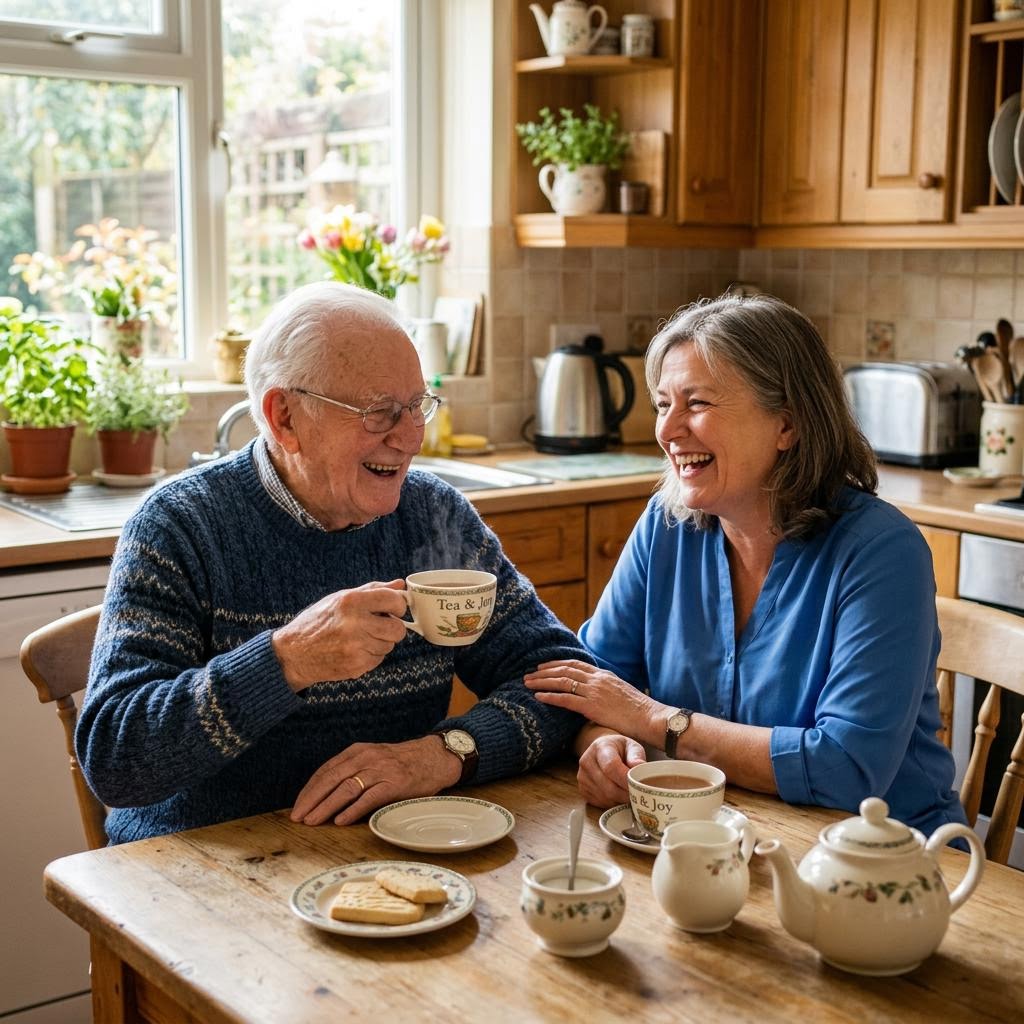
For adult children across Vancouver, Burnaby, Richmond, Surrey, and Coquitlam, visiting aging parents is often a mix of warmth, nostalgia, and quiet observation. You notice the little things: a new scratch on the car bumper, an expired carton of milk tucked in the back of the fridge, or a slightly slower, more tentative walk across the hardwood floor.
Because we want our parents to maintain their independence, we tend to brush these moments aside. We tell ourselves, "Mom is just tired today," or "Dad has always been a bit forgetful." But when does living independently cross the line from empowering to unsafe?
If you have been wondering whether your loved one is truly safe living alone, you are not alone. Families throughout British Columbia face this exact emotional crossroads every day. Recognizing the subtle warning signs early can prevent dangerous accidents, reduce family stress, and open the door to compassionate solutions like in home care Vancouver families trust.
Why Is It So Hard to Spot When a Senior Needs Help?
Seniors are fiercely protective of their independence. Having spent decades raising families, building careers, and managing households, the thought of admitting they need assistance can feel like a loss of dignity.
As a result, aging parents often become experts at masking their struggles during your visits. They might quickly tidy up the living room before you arrive, hide unopened mail in a drawer, or downplay a fall. For adult children juggling demanding careers, raising their own kids, and living across town: or even in another province: spotting the red flags requires looking beyond the polite reassurances of "I'm doing fine."

When Do Mobility Challenges Mean Living Alone Is No Longer Safe?
Are Unexplained Bruises and Frequent Trips Becoming the Norm?
One of the most immediate red flags is physical instability. Falls are a leading cause of injury among older adults, and recovering from a fall can permanently alter a senior's ability to live independently.
Watch for these physical warning signs:
- "Furniture walking": Notice if your parent constantly touches walls, tables, or countertops for support while moving from room to room.
- Unexplained bruises or scrapes: Bumping into doorframes or falling without remembering how it happened.
- Hesitation on stairs: Avoiding the basement or second-floor bedrooms because stairs feel daunting.
- Trouble rising: Struggling to stand up from a deep armchair or dining chair without help.
When mobility declines, senior home care BC providers can step in with gentle mobility assistance, ensuring your loved one moves safely around their home without sacrificing their freedom.
How Do Memory Lapses and Cognitive Changes Impact Home Safety?
Is Dad Forgetting Medication or Leaving the Stove On?
Cognitive decline doesn't happen overnight; it often creeps in through subtle memory lapses that gradually escalate into safety hazards.
Ask yourself these questions during your next visit:
- Are medications mismanaged? Look at pill organizers. Are doses missed, doubled, or left untouched? Are prescription refills delayed?
- Are there kitchen close calls? Look for scorch marks on cookware, burnt pots, or lingering stories of forgotten meals left on the stove.
- Are bills piling up? Stacks of unopened mail, final notices, or unusual banking behavior can indicate cognitive fatigue or financial vulnerability.
- Are they getting lost in familiar places? Confusion about time, appointments, or neighborhood routes is a critical warning sign.
When memory issues begin to compromise daily safety, having reliable personal care support ensures that medications are taken on time and nutritious meals are always prepared.
What Does a Decline in Personal Hygiene and Home Care Reveal?
Is the House Looking Different Than It Used To?
A sudden shift in housekeeping standards or personal grooming is often a cry for help disguised as fatigue.
- Personal care neglect: Notice if your parent is wearing the same clothes for days, skipping showers, or struggling with basic grooming.
- Household disarray: Piles of unwashed laundry, overflowing garbage, spoiled groceries in the fridge, or unwashed dishes can indicate that daily chores have become overwhelming.
Bringing in professional companionship care not only helps keep the home tidy and comfortable but also provides warm, meaningful human connection that counters the weight of isolation.

Is Social Isolation Harming Your Parent’s Health?
Are They Pulling Away from Friends and Hobbies?
In a bustling urban center like Vancouver or expanding communities like Surrey and Coquitlam, it is surprisingly easy for a senior living alone to slip into profound isolation.
When seniors stop attending community clubs, drop their favorite hobbies, or rarely leave the house, their physical and mental health often declines rapidly. Loneliness is as damaging to health as smoking 15 cigarettes a day. Regular visits from a dedicated caregiver provide engaging conversation, mental stimulation, and a trusted companion to accompany them on walks or errands.
How Can Families Take Action Before a Crisis Happens?
Waiting for a major medical emergency or severe fall before seeking help is a heavy burden for any family. Taking proactive steps today can protect your loved one and give you immense peace of mind.
1. Have an Open, Compassionate Conversation
Approach the topic with empathy rather than criticism. Focus on how much you love them and how your goal is to help them stay in their home longer, not take their freedom away.
2. Conduct a Home Safety Review
Walk through your parent's home in Vancouver, Burnaby, Richmond, Surrey, or Coquitlam. Look for tripping hazards like loose rugs, dim hallway lighting, and slippery bathroom surfaces. Adding grab bars and non-slip mats can make an immediate difference.

3. Explore Flexible In-Home Care Options
You don’t have to jump straight to 24/7 care. Many families start small with a few hours a week of respite care or companionship. This allows your parent to build trust with a caregiver naturally, making the transition smooth and stress-free.
Empowering Your Senior Loved One to Age Safely at Home
Your senior parent deserves to age with dignity, safety, and joy in the comfort of the home they cherish. Recognizing the warning signs early isn't about restricting their life: it's about wrapping them in the right support system so they can thrive.
At Pure Heart Home Care, our carefully screened and compassionate caregivers provide personalized care plans tailored to your family's unique needs across Vancouver and the Lower Mainland. Whether you need daily personal care support, medication reminders, or uplifting companionship, we are here to help your family navigate this journey with confidence and peace of mind.