Non-Medical Home Care vs. Respite Care for Seniors: What's the Difference?
By Beylah Rivera · July 13, 2026
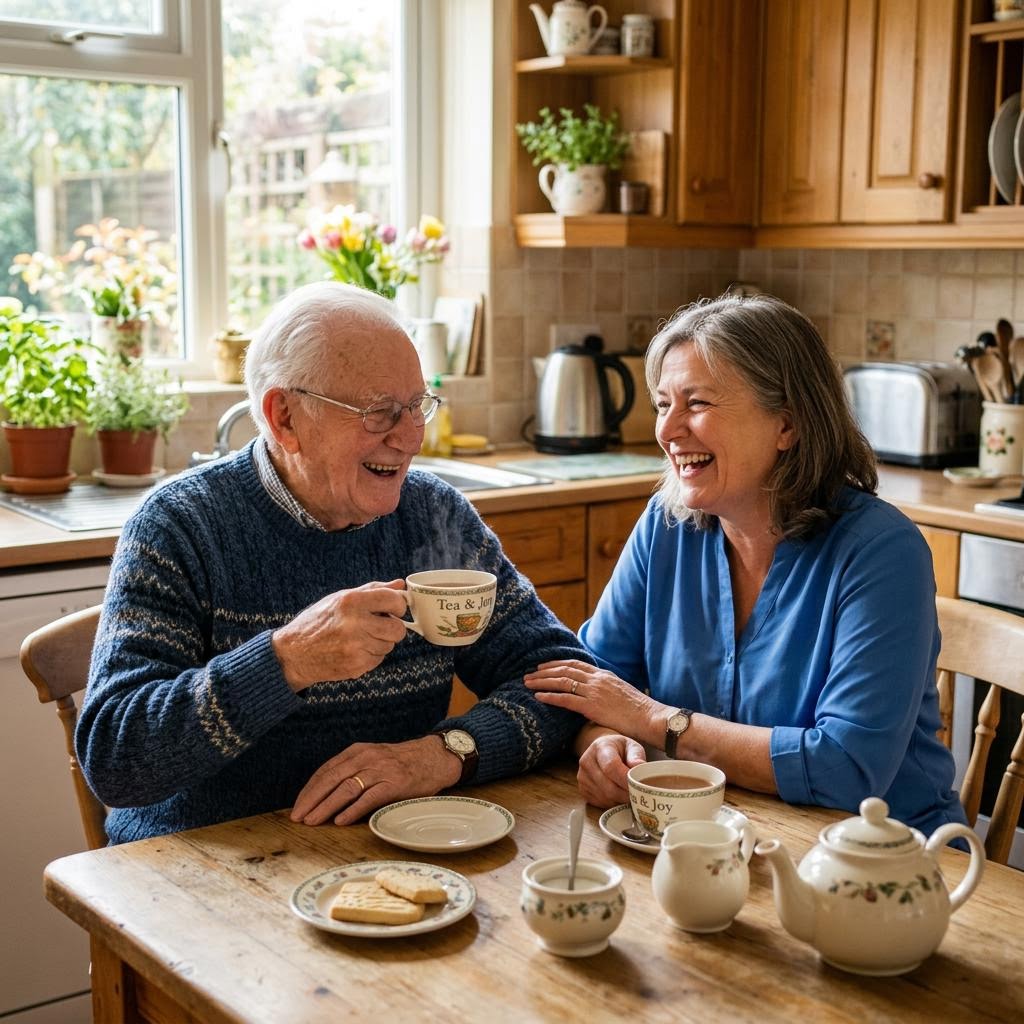
Navigating the world of senior support can feel like learning a new language. You want the best for your aging parents, but when you start searching for help in Vancouver, you’re suddenly met with terms like "home support," "clinical care," and "respite." It’s a lot to take in when you’re already juggling a career, a family, and the emotional weight of seeing a loved one slow down.
At Pure Heart Home Care, we believe that understanding your options shouldn't be a source of stress: it should be the first step toward peace of mind. Two of the most common services families ask us about are non-medical home care and respite care. While they often overlap, they serve different purposes in your family’s journey.
In this guide, we’ll break down the differences, explain the "why" behind each, and help you decide which path leads to the best quality of life for your senior and your entire family.
What is the difference between non-medical home care and medical home care?
One of the first forks in the road is deciding between medical and non-medical support. In the Vancouver healthcare landscape, this distinction is vital for both your budget and your loved one’s daily routine.
Non-Medical Home Care (Home Support)
Think of non-medical home care Vancouver as "lifestyle support." It is designed to help seniors stay independent and safe in their own homes by assisting with the activities of daily living (ADLs). This type of care is provided by trained caregivers or home support workers rather than licensed nurses.
What it includes:
- Personal Care: Dignified help with bathing, dressing, and grooming.
- Companionship: Meaningful conversation, playing games, or going for walks in a local park.
- Daily Living Support: Light housekeeping, laundry, and nutritious meal preparation.
- Safety & Mobility: Assistance with walking, transferring from a chair to a bed, and fall prevention.
- Medication Reminders: Gentle prompts to take pills on schedule (without the clinical administration).
Medical Home Care (Home Health Care)
Medical home care, often called "home health," is clinical. It is usually prescribed by a doctor and delivered by Registered Nurses (RNs), Licensed Practical Nurses (LPNs), or physical therapists.
What it includes:
- Wound care and dressing changes.
- Injections or complex medication administration.
- Physical or occupational therapy.
- Monitoring of chronic conditions like diabetes or heart disease.
The Visionary Perspective: While medical care focuses on treating an illness, non-medical home care focuses on honouring the person. It’s about ensuring that a senior in North Vancouver or Richmond doesn't just survive at home, but thrives with dignity and joy.
What is respite care for seniors?
If non-medical home care is about what is being done, respite care for seniors Vancouver is about who it is for.
Respite care is a temporary, short-term break for the primary family caregiver. Whether you are an adult child caring for an aging parent or a spouse supporting a partner with dementia, you are doing heroic work: but even heroes need to recharge.
Respite care isn't a different type of task; rather, it’s a service model designed to step into your shoes so you can take a breath.
How Respite Works in Vancouver
In the Lower Mainland, respite can take several forms:
- In-Home Respite: A caregiver from an agency like Pure Heart comes to the home for a few hours or a few days, allowing you to run errands, attend your own appointments, or simply sleep.
- Adult Day Programs: Community-based programs where seniors socialized during the day.
- Short-Stay Residential Respite: Temporary stays in a local assisted living or long-term care facility (such as those offered through Vancouver Coastal Health at the Family Respite Centre).

How does respite care help family caregivers avoid burnout?
Caregiving is a marathon, not a sprint. Research shows that caregiver burnout is one of the leading reasons seniors are moved into institutional care prematurely. When the primary caregiver is exhausted, the entire support system becomes fragile.
Using respite care for seniors Vancouver is an act of love: not an admission of failure. It allows you to:
- Prevent Burnout: Taking even 4 hours a week to yourself can significantly reduce stress and frustration.
- Maintain Your Own Health: You can’t pour from an empty cup. You need time for your own exercise, doctor visits, and mental health.
- Protect the Relationship: When you aren't overwhelmed by the physical demands of care (like laundry and bathing), you can go back to being a daughter, a son, or a spouse.
At Pure Heart, our respite services (ranging from $38–$55 per hour) are designed to be flexible. We don't require long-term contracts because we know that sometimes you just need a weekend to recharge.
When does your family need non-medical home care?
You might be wondering if it's "time" to look for non-medical home care Vancouver. Usually, the need isn't a sudden explosion; it’s a series of small "red flags."
- Changes in Hygiene: Is your dad wearing the same clothes for several days? Is your mom’s hair looking unkempt?
- Kitchen Safety: Are you finding expired food in the fridge or scorched pans on the stove?
- Social Withdrawal: Is your loved one staying home more often, skipping their usual walks or bridge club?
- Mobility Fears: Have there been any "near misses" or stumbles in the hallway?
If these sound familiar, personal care support can bridge the gap between "struggling" and "independent."

Comparing the two: Which one is right for your loved one?
To help simplify your decision, here is a quick comparison table:
| Feature | Non-Medical Home Care | Respite Care |
|---|---|---|
| Primary Goal | Help the senior stay independent. | Give the family caregiver a break. |
| Duration | Usually ongoing (weekly or daily). | Usually temporary or occasional. |
| Focus | ADLs, safety, and companionship. | Maintaining the senior's routine while the family is away. |
| When to Use | When the senior can no longer manage tasks alone. | When the family caregiver feels overwhelmed or has a commitment. |
In many cases, families in Vancouver use a hybrid approach. They may have a regular home support schedule for three days a week (Non-Medical Home Care) and then book extra hours when the primary caregiver goes on vacation (Respite Care).
The Vancouver Advantage: A Vision for Aging in Place
Living in Vancouver offers a unique backdrop for aging. We have access to incredible parks, community centres, and a culture that values health and wellness. Our vision at Pure Heart is to leverage this environment to help seniors age vibrantly.
Whether it's a stroll along the Seawall with a companion or helping a senior in Burnaby master Zoom to talk to their grandkids, our "non-medical" care is deeply personal. We don't just see a checklist of tasks; we see a life full of stories and potential.

Finding the Right Support for Your Family
If you’re still unsure which type of care fits your current situation, don’t worry. Most families start with a simple conversation.
At Pure Heart Home Care, we offer free in-home consultations throughout Vancouver, Burnaby, Richmond, and the surrounding areas. We’ll sit down with you, listen to your concerns, and help you build a personalized care plan that balances the needs of your loved one with the health of your family.
You’ve been caring for everyone else. Let us help care for you.
Ready to explore your options? Call us at 604-262-0119 or email help@purehearthomecare.ca. Let’s make a plan that brings peace back to your home.