Senior Home Care Explained in Under 3 Minutes: A Quick Guide for Busy Families
By Beylah Rivera · March 30, 2026
By Randall | March 30, 2026
You’re likely here because you’ve noticed your mom is getting a bit more forgetful, or your dad isn’t as steady on his feet as he used to be. You want to help, but you’re juggling a career, kids, and a life of your own. You’ve heard the term "senior home care" tossed around, but what does it actually mean for your family?
At Pure Heart Home Care, we believe that aging isn’t a decline; it’s a new chapter that deserves to be written with dignity and joy. We’re on a mission to change how families experience aging. If you only have three minutes, here is the essential breakdown of everything you need to know about home care services.
The 3-Minute TL;DR (Too Long; Didn't Read)
- What is it? Professional support that allows seniors to stay in their own homes instead of moving to a facility.
- What services are included? Everything from help with a shower and meal prep to specialized dementia care and 24-hour support.
- Who is it for? Any senior who wants to maintain independence but needs a little (or a lot) of extra help with daily life.
- Why choose it? It’s personalized, it keeps families together, and it’s often more cost-effective and comfortable than institutional living.

What are home care services exactly?
When we talk about home care services, we’re talking about a wide spectrum of support tailored to the individual. It isn't a "one size fits all" box. Instead, it’s a customized plan designed to meet your loved one where they are.
At its core, senior home care is about bringing the help to the person, rather than moving the person to the help. This includes:
1. Personal Care Support
This is the "heavy lifting" of daily life. It involves assistance with activities of daily living (ADLs). Think of things we often take for granted: getting out of bed, bathing safely, dressing, and grooming. Personal care support ensures that your parent feels clean, comfortable, and confident every single day.
2. Companionship Care
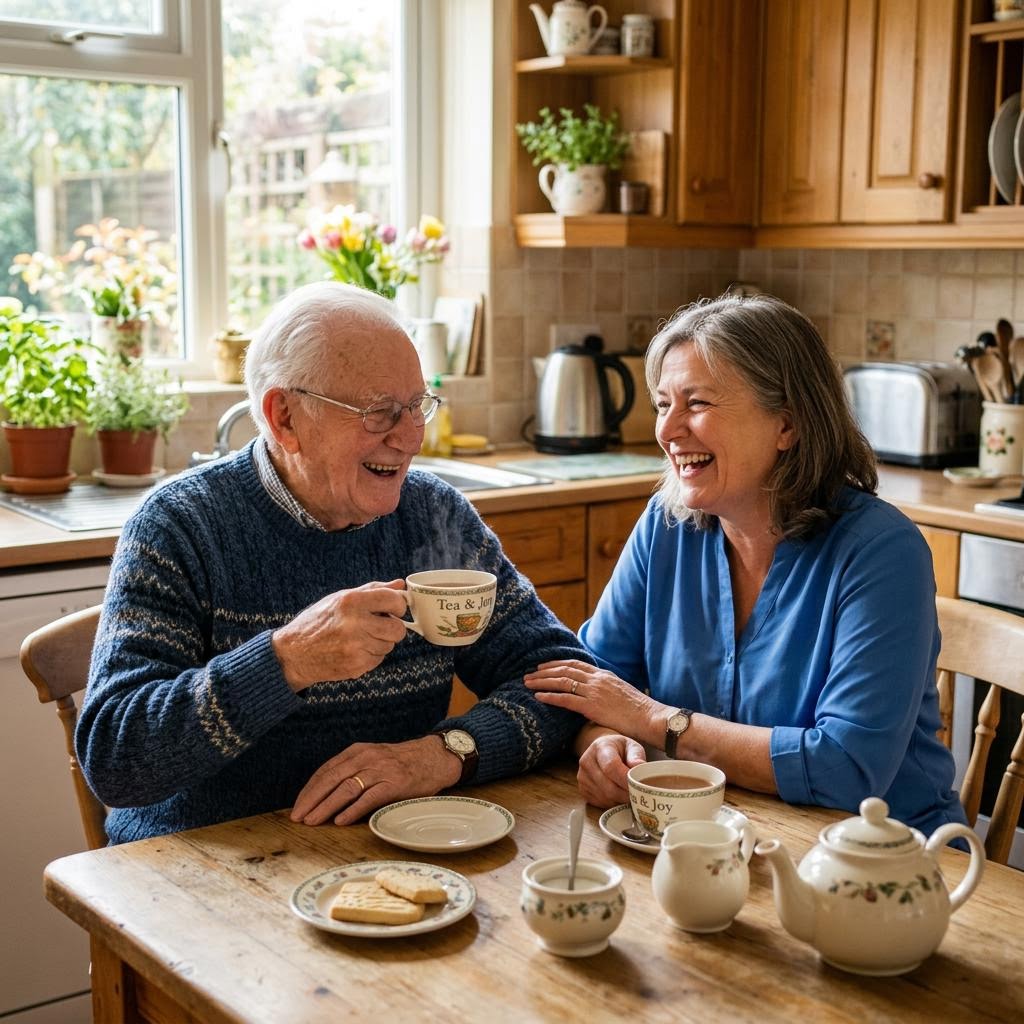
Isolation is one of the biggest risks for seniors living alone. Companionship care is about more than just watching someone; it’s about engaging with them. Whether it’s playing a game of cards, going for a walk in a local Vancouver park, or just having a meaningful conversation over tea, this service feeds the soul. You can learn more about why companionship care is essential here.
3. Household Support
Sometimes, the house just becomes too much to manage. Home care includes light housekeeping, laundry, grocery shopping, and meal preparation. This ensures the home remains a safe, healthy environment without the senior having to risk a fall while vacuuming or scrubbing a tub.
What is the difference between home care and home health care?
This is a question we get asked all the time. It’s easy to get them confused, but the distinction is important for your planning.
- Home Health Care is clinical. It is usually ordered by a doctor and involves licensed medical professionals like nurses or physical therapists. It’s focused on treating a specific medical condition or recovering from an injury.
- Senior Home Care (or In-Home Care) is generally non-medical. While it can include medication reminders and health monitoring, the primary goal is safety, supervision, and assistance with daily life.
Families often find that a blend of both is the ultimate "visionary" approach to aging in place, ensuring both the medical and emotional needs are met. For a deeper dive, check out our Home Care 101 guide.

How do I know if my aging parent needs in-home care?
Waiting for a crisis: like a fall or a missed medication dose: is a common mistake. We encourage families to look for the "yellow flags" before they turn into "red flags."
Keep an eye out for:
- Unexplained Weight Loss: This often means they are struggling to cook or shop for groceries.
- Changes in Hygiene: If a normally tidy person is wearing stained clothes or skipping showers, they might be afraid of falling in the tub.
- Social Withdrawal: Are they skipping their usual community events or phone calls?
- Messy House: Piles of mail, expired food in the fridge, or a lack of basic cleanliness.
If you’re seeing these signs, it might be time to consider a consultation. For more details on these warning signs, read our post on 5 signs your aging parent needs help.
What are the options for 24-hour home care vs. respite care?
Every family situation is unique. Some need a "lifeline" once a week, while others need around-the-clock peace of mind.
Respite Care
If you are the primary caregiver, you are doing incredible work: but you can't pour from an empty cup. Respite care provides temporary relief. It allows you to take a vacation, attend your child’s graduation, or simply take a nap, knowing your parent is in expert hands. We believe respite is an act of love, not a sign of weakness. Learn more about respite care for Vancouver families here.
24-Hour Home Care
For seniors with advanced dementia, high fall risks, or significant mobility issues, 24-hour home care offers a safer alternative to a nursing home. Caregivers work in shifts to ensure someone is awake and alert at all times, day or night. This level of support provides total security for families who worry about "what happens at 3 AM?"

Is in-home care safe during the current times?
Safety is our North Star. In-home care is inherently safer for many seniors because it limits exposure to large groups of people found in facilities. At Pure Heart Home Care, our caregivers follow strict health protocols to ensure your home remains a sanctuary.
By keeping the environment controlled and the caregiver-to-client ratio at 1:1, we provide a level of safety and personalized attention that institutional settings simply can't match.
How to get started without the stress
The journey of a thousand miles begins with a single step, and usually, that step is a conversation. Here’s how to approach it:
- Observe and Document: Keep a small log of where your parent is struggling.
- The Family Meeting: Talk to your siblings or spouse about the budget and the goals.
- The Professional Consultation: Reach out to a provider (like us!) to do a home safety assessment and a needs discovery. This isn't a sales pitch; it’s a roadmap for your parent’s future.
Before you book that first meeting, make sure to read our guide on 10 things you should know before your first consultation.

Final Thoughts: A Vision for Better Aging
We know you’re busy. We know you’re tired. But we also know that you want the absolute best for the person who raised you. Senior home care isn't just a service; it’s a promise that your loved one can continue to live their life with purpose, surrounded by their own memories, in the comfort of their own home.
Whether you need personal care support, companionship care, or 24 hour home care, the goal is the same: to provide a "Pure Heart" approach that treats your family like our own.
Don't wait for the next "bad day" to make a plan. Start the conversation today and give your family the peace of mind you deserve. If you're ready to explore how we can help, feel free to browse our full blog for more resources or check out our sitemap for specific service details.
You've got this, and we're here to help.