Senior Home Care Vs Nursing Homes: Which Is Better For Your Parent’s Independence in 2026?
By Beylah Rivera · May 2, 2026
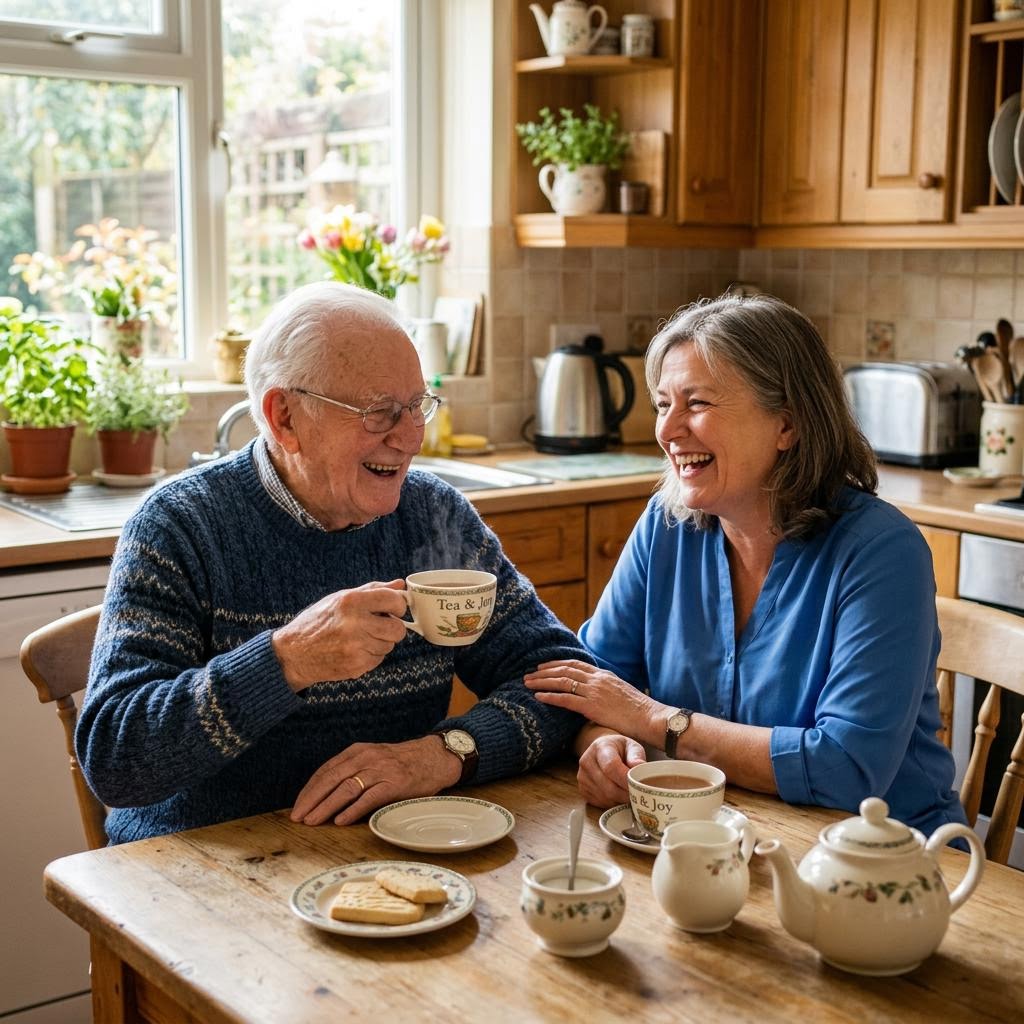
Deciding how to support an aging parent is one of the most significant emotional and practical challenges a family can face. As we move through 2026, the landscape of senior support has shifted dramatically. We aren't just looking for "a place to put mom or dad" anymore; we are looking for ways to empower them, honor their history, and ensure they live with the dignity they deserve.
At Pure Heart Home Care, we talk to families every day who are caught in the tug-of-war between the safety of a nursing home and the freedom of staying at home. If you’re asking yourself, "Which is better for my parent’s independence?" you aren't alone. The answer isn't always black and white, but in 2026, the trend is clear: senior home care is the gold standard for preserving autonomy.
Let’s dive into the differences, the costs, and the visionary future of aging in place.
What is the difference between senior home care and nursing homes?
To make the right choice, we first have to understand the core mission of each option.
Nursing homes (or skilled nursing facilities) are clinical environments. They are designed for seniors who require around-the-clock medical supervision and help with almost every aspect of daily life. While they offer safety, they operate on a "facility schedule." Meals are at 8:00 AM, activities are at 2:00 PM, and privacy is often limited to a curtain or a shared room.
Senior home care, on the other hand, is built around the individual. Whether it’s personal care support for bathing and dressing or companionship care to keep the mind sharp, the care comes to them. In 2026, home care services have evolved to include advanced remote monitoring and telehealth, allowing seniors to stay in their own beds while remaining under a watchful, professional eye.
Why independence thrives with in-home care
Independence isn't just about being able to walk; it’s about the power to choose. It’s the ability to decide when to have a cup of coffee, which channel to watch on TV, and when to sit in the garden.
1. Familiarity breeds confidence
For a senior, especially one dealing with early-stage cognitive decline, their home is a map of their life. They know exactly how many steps it is to the kitchen. They know the sound of the neighbor’s dog. This familiarity reduces anxiety and prevents the "transfer trauma" often seen when moving to a facility. When a senior feels safe, they are more likely to remain active and engaged.
2. Personalized routines
In a nursing home, your parent is one of many. In their own home, they are the priority. Professional home care services adapt to your parent’s rhythm, not the other way around. If Dad wants to stay up late reading and sleep in until 10:00 AM, he can. That’s the ultimate form of independence.
3. One-on-one attention
In 2026, the staffing shortages in institutional settings have made one-on-one time a luxury. With senior home care, the caregiver's sole focus is your loved one. This direct connection doesn't just improve physical safety; it builds a bond of trust that is essential for emotional well-being.

Is a nursing home ever the "better" choice?
While we are visionary about the power of home care, we also have to be practical. Independence requires a baseline of safety. A nursing home might be the right choice if:
- Your parent needs 24/7 clinical medical intervention (like complex wound care or ventilator support).
- The home environment cannot be modified to be safe (e.g., steep stairs that cannot be bypassed).
- There is no family or professional support system to manage the logistics of home care.
However, for the vast majority of Vancouver families, 24 hour home care has become a viable and often preferred alternative to the nursing home. It provides the same level of oversight but within the comfort of their own walls.
The 2026 cost reality: Home care vs. Facilities
Let’s talk numbers, because I know that’s a major factor in your decision-making.
In 2026, the average cost for a semi-private room in a nursing home ranges from $9,000 to $11,000 per month. While this covers "everything," it often lacks the personalized touch and privacy families crave.

In-home care offers more flexibility for your budget:
- Part-time support: Many families start with 20 hours a week of personal care support, which typically costs between $3,500 and $6,000 per month.
- 24/7 care: If your parent needs round-the-clock eyes on them, the cost can exceed $20,000 per month.
The key here is gradual support. You don’t have to jump into full-time care immediately. You can scale services as needs change, which is a much more cost-effective way to manage the journey than the "all-or-nothing" approach of a facility.
How to know when it’s time to choose
One of the 7 mistakes families make when choosing in-home care is waiting for a crisis. If you wait for a fall or a hospital visit, the decision is often taken out of your hands.
Ask yourself these questions:
- Is Mom skipping meals because she’s tired of cooking?
- Has Dad stopped going for his walks because he’s afraid of falling?
- Are there piles of unopened mail or unwashed laundry?
- Is the house unusually messy?
If you're noticing these "red flags," it’s time to look at 5 signs your aging parent needs in-home care services. Catching these early allows you to implement respite care or part-time help, which preserves their independence for much longer.
The "Heart" factor: Companionship and emotional health
Independence isn't just about physical ability; it's about the spirit. One of the biggest risks for seniors in 2026 is isolation. Even in a crowded nursing home, many seniors feel alone because the interactions are purely "task-based": someone comes in to change a bandage and then leaves.
At Pure Heart Home Care, we believe companionship care is the secret sauce. Having someone to play cards with, talk about current events, or go for a stroll in a Vancouver park makes a world of difference. When a senior is socially engaged, their cognitive health improves, and they feel more empowered to stay independent.
Practical steps to get started
If you’ve decided that staying at home is the best path for your parent’s independence, here is how you can start:
- Conduct a Home Safety Audit: Check for trip hazards, improve lighting, and consider smart home technology like fall-detection sensors.
- Book a Consultation: Before your first meeting, check out our guide on 10 things you should know before your first consultation.
- Start Small: You don’t need a 24-hour team on day one. Start with a few hours of companionship care to help your parent get used to having someone in the house.
- Compare Professionals: Understand the difference between hiring a "neighbor's daughter" versus a professional agency. We’ve broken down the professional vs. family care comparison to help you choose the right fit.
Final thoughts: The visionary approach to aging
The choice between home care and a nursing home is deeply personal. But if the goal is to keep your parent’s light shining bright, to keep them in the home they love, and to give them the freedom to live on their own terms, in-home care is the answer.
In 2026, we have the tools, the technology, and the compassionate heart to make "aging in place" a reality for almost everyone. It’s about more than just "care": it’s about life.
At Pure Heart Home Care, we are here to walk this path with you. Whether you need a few hours of help or a full-time support system, we bring the heart back into home care.
Are you ready to help your parent stay independent?
Visit our blog for more tips or reach out to us today to start the conversation.
