Summer Safety for Seniors in Vancouver: How In-Home Care Helps Families Beat the Heat
By Beylah Rivera · July 18, 2026
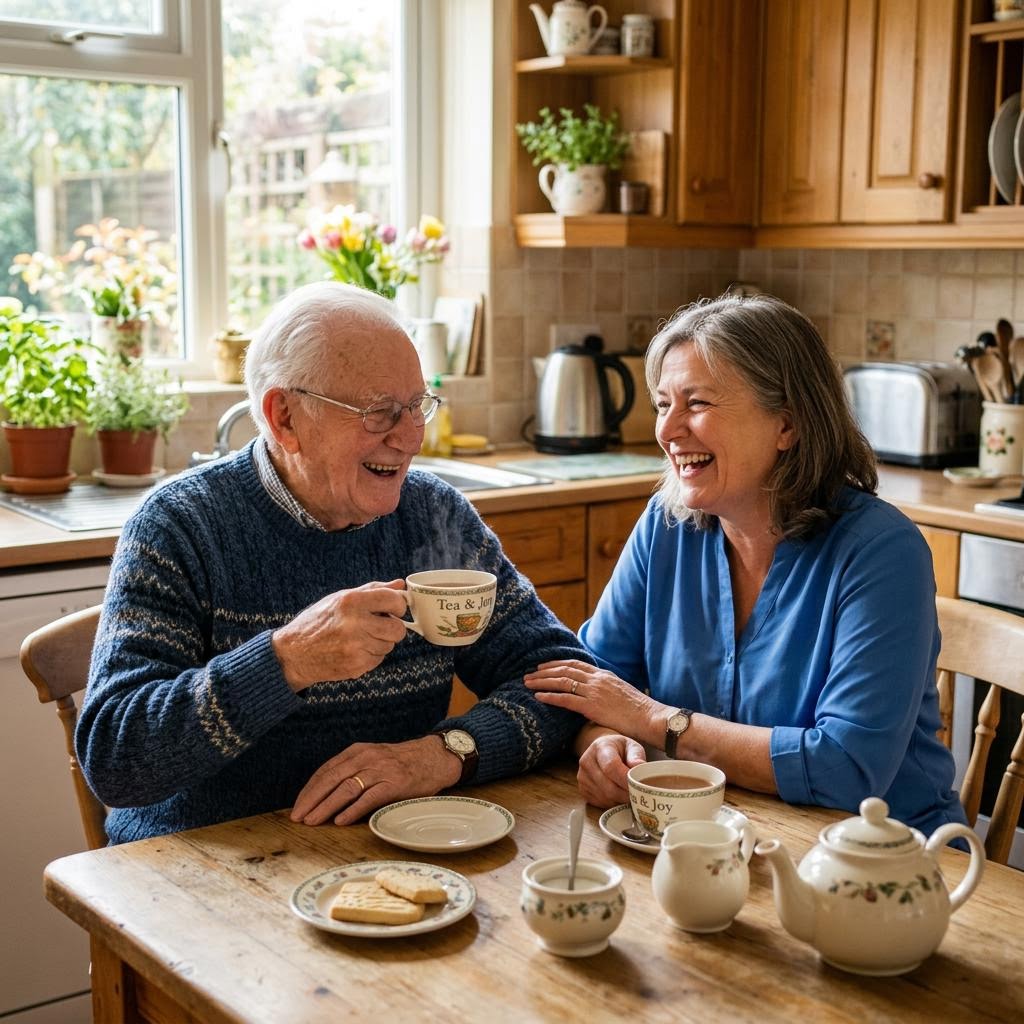
Vancouver and Burnaby are world-renowned for their stunning summers. From the sea breezes along the Seawall to the lush, shaded paths of Central Park in Burnaby, the Lower Mainland truly comes alive when the sun is out. However, for many seniors and their families, the rising temperatures bring more than just patio weather: they bring significant health risks.
Since the 2021 heat dome event, we’ve all become much more aware of how quickly indoor temperatures can reach dangerous levels in BC. For older adults, who may have chronic health conditions or take medications that affect their body’s ability to regulate temperature, staying cool isn’t just a matter of comfort; it’s a matter of safety.
At Pure Heart Home Care, we believe that everyone deserves to age with dignity in the comfort of their own home. During the peak of summer, our mission expands to ensure that "home" remains a safe, cool sanctuary. In this guide, we’ll explore how families can navigate the heat and why in home care in Vancouver is often the missing piece of the puzzle for summer safety.
Why is summer heat particularly dangerous for Vancouver seniors?
It’s a common misconception that because we live in a coastal climate, our heat isn't "that bad." However, many homes in Vancouver and Burnaby: especially older houses and high-rise apartments: were built to retain heat during our damp winters, not to shed it during a summer heatwave.
As we age, our bodies become less efficient at sweating and circulating blood to cool down. Furthermore, many seniors don't feel thirsty as quickly as younger people do, leading to a high risk of dehydration before they even realize they’re in trouble. When you combine these physiological factors with the lack of central air conditioning in many local residences, the risk of heat exhaustion and heat stroke increases significantly.
For families who live further away or work full-time, the worry can be constant. This is where senior home care in BC provides a vital safety net, ensuring someone is physically present to monitor both the person and their environment.
How can we keep the home cool without central air conditioning?
Most of us in the Lower Mainland rely on portable fans and open windows rather than central HVAC systems. While these can be effective, they require a proactive strategy to work properly during a heatwave.
- The "Trap and Release" Method: During the day, keep windows and blinds closed on the sunny side of the house. This prevents the "greenhouse effect" from baking the interior. Once the sun goes down and the outside air is cooler than the inside, open the windows and use fans to pull the cool evening air through the home.
- Strategic Fan Placement: A fan blowing directly on a person can help, but a fan placed in a window blowing outward can actually help push hot air out of a room.
- Minimize Appliance Use: Avoid using the oven or dryer during the hottest parts of the day (usually 10:00 AM to 4:00 PM). These appliances can raise the indoor temperature by several degrees.
- Cooling "Hot Spots": Applying damp, cool cloths to the wrists, neck, and armpits can help lower core body temperature more effectively than a fan alone.
A caregiver providing personal care support can manage these tasks throughout the day, ensuring the home environment stays within the safe range of 22–26°C.
What are the best ways to ensure seniors stay hydrated?

Hydration is the first line of defense against heat illness, but "drink more water" is often easier said than done. Many seniors find plain water unappealing or worry about increased trips to the bathroom.
To help your loved one stay hydrated, try these tips:
- Infused Water: Add slices of lemon, cucumber, or mint to a pitcher. It feels like a treat rather than a chore.
- Hydrating Foods: Serve snacks with high water content. Watermelon, strawberries, and cucumbers are excellent choices that contribute to total fluid intake.
- The "Small and Frequent" Rule: Instead of trying to drink a large glass at once, aim for small sips every 15 to 20 minutes.
- Limit Dehydrating Beverages: While a morning coffee is fine, excessive caffeine or alcohol can actually contribute to fluid loss.
Our caregivers often incorporate hydration "rituals" into their visits, making it a social and enjoyable part of the day. If you're wondering how to get started with professional support, our Home Care Services 101 guide offers a great roadmap for families.
How does personal care support improve summer safety at home?

When we talk about personal care support, we aren't just talking about help with bathing or dressing. In the summer, this support becomes a comprehensive wellness check.
A professional caregiver serves as an early-warning system. They are trained to notice the subtle changes that might indicate heat stress: a slight increase in confusion, a change in gait, or even just a lack of appetite. Because they are in the home for extended periods, they can ensure that safety protocols: like keeping the curtains closed or taking cool showers: are actually being followed.
Furthermore, companionship is a major factor. Heatwaves can be isolating. If a senior is told to stay indoors to stay safe, they may miss their usual social outings. A caregiver provides that essential companionship care, keeping spirits high while keeping the body cool.
For families who usually provide this care themselves but need a break during the demanding summer months, respite care is an excellent option to ensure their loved one is never left alone during a weather alert.
What are the warning signs of heat-related illness in the elderly?
Knowing when "feeling hot" becomes a medical emergency is critical. Here is what to look for:
Heat Exhaustion (Act Now)
- Heavy sweating and cold, clammy skin.
- Fast, weak pulse.
- Nausea or vomiting.
- Muscle cramps.
- Tiredness or weakness.
- Dizziness or fainting.
What to do: Move to a cool place, loosen clothing, apply cool cloths, and sip water. If symptoms last longer than an hour or worsen, seek medical help.
Heat Stroke (Call 911)
- High body temperature (103°F/39.4°C or higher).
- Hot, red, dry, or damp skin.
- Fast, strong pulse.
- Headache or dizziness.
- Confusion or loss of consciousness.
What to do: This is a medical emergency. Call 911 immediately and do not give the person anything to drink. Move them to a cooler place and help lower their temperature with cool cloths until help arrives.
Navigating Vancouver Safely: Outdoor Tips

We want seniors to enjoy the beauty of BC, but timing is everything.
- Follow the Shade: If your loved one enjoys a walk, plan it for before 10:00 AM or after 6:00 PM. Locations like the shaded trails of the Burnaby Lake Regional Park or the treed avenues of Kitsilano offer much more protection than open parking lots or seawalls.
- Dress for the Climate: Opt for light-coloured, loose-fitting cotton or linen. A wide-brimmed hat is essential for any outdoor time.
- Identify Cooling Centres: Both the City of Vancouver and the City of Burnaby activate cooling centres (often in libraries and community centres) during extreme heat alerts. Know the location of the one closest to your loved one's home.
Conclusion: A Partnership for Peace of Mind
Summer should be a season of joy and connection, not anxiety. By combining practical home cooling strategies with the dedicated eye of a professional caregiver, you can ensure your aging parents stay safe, hydrated, and comfortable in their own homes.
Whether you need a few hours a week of personal care support or full-time monitoring during a heatwave, Pure Heart Home Care is here to help families across Vancouver and Burnaby navigate the season with confidence.
Are you ready to ensure your loved one stays safe this summer? Contact Pure Heart Home Care today to discuss a personalized care plan tailored to your family's needs. Together, we can beat the heat and keep the heart of your home healthy and cool.