The Best In Home Care Advice You’ll Ever Get for Helping Parents Stay Independent
By Beylah Rivera · March 3, 2026
If you’re reading this, you’ve probably had that moment of realization. Maybe you noticed your mom is getting a little more forgetful with her meds, or perhaps your dad is struggling to navigate the stairs in the house he’s lived in for forty years. It’s a tough spot to be in. You want them to be safe, but you also know how much they value their freedom.
The truth is, "independence" doesn't mean doing everything alone. It means having the choice to live on your own terms. As a Managing Partner at Pure Heart Home Care, I’ve seen hundreds of families navigate this transition. The best advice I can give you isn't just about safety locks or meal prep; it’s about a mindset shift.
In this guide, we’re going to dive deep into how you can provide the right level of in home care to keep your parents thriving where they feel most comfortable.
How can I help my aging parent stay independent at home?
The biggest mistake people make is trying to take over everything at once. When we strip away a parent's responsibilities, we often strip away their sense of purpose. Instead, the goal should be "tailored assistance."
Think of it this way: if your mom loves to cook but struggles to chop vegetables because of arthritis, don't just start bringing her frozen meals. Instead, look into personal care support that helps with the prep work so she can still be the chef. By matching their existing routines, you help them maintain their dignity.
If they’ve always showered at 8:00 AM, keep that schedule. If they prefer a specific brand of tea, make sure it’s always in the cupboard. Familiarity is the foundation of confidence. When a senior feels in control of their daily habits, they are far more likely to remain active and engaged.
What are the most important home safety tips for seniors?
You can’t be independent if you’re constantly worried about falling. Physical safety is the backbone of senior home care. You don’t need to turn their house into a hospital, but a few strategic changes make a world of difference.
- Lighting is everything: As we age, our eyesight changes. Ensure hallways, stairs, and bathrooms are brightly lit. Motion-sensor lights are a game-changer for those middle-of-the-night trips to the kitchen.
- Clear the paths: Loose rugs are the enemy. Secure them with non-slip backing or, better yet, remove them entirely. Clear away electrical cords and clutter that could lead to a trip.
- The Bathroom Upgrade: Install high-quality grab bars near the toilet and in the shower. A simple shower chair can turn a stressful experience into a relaxing one.
- Accessibility: If your parent has mobility issues, consider rearranging the furniture to create wider pathways.

Why is companionship care essential for mental health?
We often focus so much on the physical side of aging: pills, doctor appointments, and meals: that we forget about the emotional side. Isolation is one of the biggest threats to senior independence. When a senior feels lonely, their cognitive and physical health often follows a downward spiral.
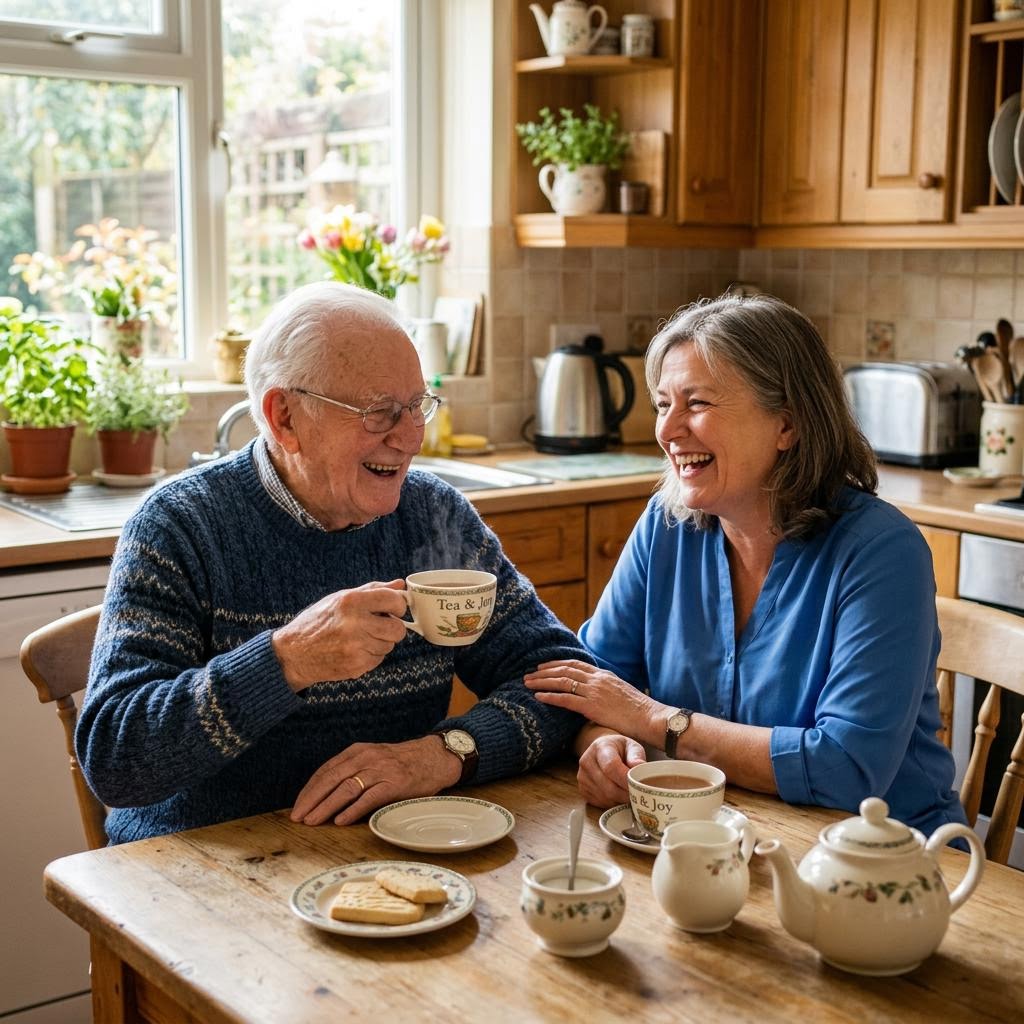
This is where companionship care comes in. It’s not just about having someone in the house; it’s about having a friend to do puzzles with, someone to go for a walk with, or a companion to chat with over coffee. At Pure Heart Home Care, we believe that emotional support is just as vital as medical support.
Regular social interaction keeps the brain sharp and the spirit high. If you can’t be there every day, bringing in a caregiver for a few hours a week can provide that necessary spark of connection. You can learn more about how this works in our guide to why companionship care is essential for Vancouver seniors.
How do I manage an aging parent’s medications and health?
Independence requires a baseline of good health. If a senior is dehydrated, malnourished, or missing their medications, their independence is at risk.
- The Pill Organizer Strategy: Use a clear, easy-to-read pill organizer. There are even high-tech versions now that beep or send an alert to your phone if a dose is missed.
- Nutrition and Hydration: It’s easy for seniors to lose interest in cooking for one. Helping with meal prep or hiring home care services to ensure there are healthy, fresh meals in the fridge is vital.
- Regular Check-ins: Don't wait for a crisis. Regular health assessments can help catch small issues before they become big problems.

What are the signs that my parent needs professional in home care?
It’s the question every adult child asks: "When is it time?"
Sometimes the signs are subtle. A dent in the car, a stack of unopened mail, or a noticeable change in personal hygiene. If you’re starting to feel overwhelmed, it’s likely your parent is feeling it too.
We’ve put together a list of 5 signs your aging parent needs in-home care services to help you identify these red flags early. Early intervention often prevents the very accidents that lead to a permanent loss of independence (like a broken hip).
How do I talk to my parents about bringing in help?
This is the hardest part. No one wants to feel like they’re "being looked after." The trick is to involve them in the decision-making process.
- Don't dictate, ask: "Dad, I noticed the garden is getting a bit much for you. How would you feel about having someone come by twice a week to help out so you can just enjoy the flowers?"
- Focus on the "Why": The goal is to stay at home. If bringing in a little help now means they can avoid moving to a facility later, most seniors are much more open to the idea.
- Start Small: You don't have to jump straight to 24 hour home care. Sometimes, just a few hours of respite care or help with groceries is the perfect "test drive" to show them that having help actually gives them more freedom, not less.

What is the difference between personal care and companionship care?
When looking at home care services, the terminology can get confusing.
- Companionship Care: Focuses on social interaction, light housekeeping, and transportation. It’s perfect for seniors who are physically capable but need a little extra support and social engagement.
- Personal Care Support: This is more "hands-on." It includes help with "Activities of Daily Living" (ADLs) like bathing, dressing, grooming, and toileting.
Understanding which one your parent needs is the first step in creating a care plan that works. If you're unsure where to start, our Home Care Services 101 guide is a great resource for busy families.
Should I consider 24 hour home care or part-time support?
The level of care depends entirely on the "why." If your parent is recovering from surgery or dealing with advanced dementia, 24 hour home care provides the peace of mind that someone is always there to prevent falls or wandering.
However, many families find that part-time support is enough to bridge the gap. It allows the senior to keep their privacy while ensuring the "high-risk" times (like getting in and out of the bath) are supervised. You can compare the two options more closely in our article on 24-hour home care vs. part-time support.

Taking Care of Yourself: The Role of Respite Care
You cannot pour from an empty cup. If you are the primary caregiver, your own health and stress levels will directly affect the quality of care your parent receives.
Respite care is designed to give you a break. Whether it’s for a few hours so you can go to the gym, or a few days so you can take a vacation, it’s a vital part of a sustainable care plan. Many families feel guilty about seeking respite, but it’s actually one of the best things you can do for your parent. It prevents caregiver burnout and ensures that when you are with your parent, you’re present and patient. Check out our Vancouver family’s guide to respite care for more tips.
Final Thoughts from Pure Heart Home Care
Helping a parent stay independent is a journey, not a destination. Needs will change, and that’s okay. The key is to keep the lines of communication open, prioritize safety without sacrificing dignity, and know that you don't have to do it all yourself.
At Pure Heart Home Care, we’re here to be your partner. Whether you need a few hours of companionship or more intensive support, our goal is the same as yours: keeping your loved ones happy, healthy, and home.
If you’re ready to explore how we can help your family, feel free to browse our blog for more advice or reach out for a consultation. You’re doing a great job: and we’re here to help you keep it that way.