The "Small Care Home" Revolution vs. Private Home Care: Which is Right for Your Parent in 2026?
By Beylah Rivera · April 4, 2026
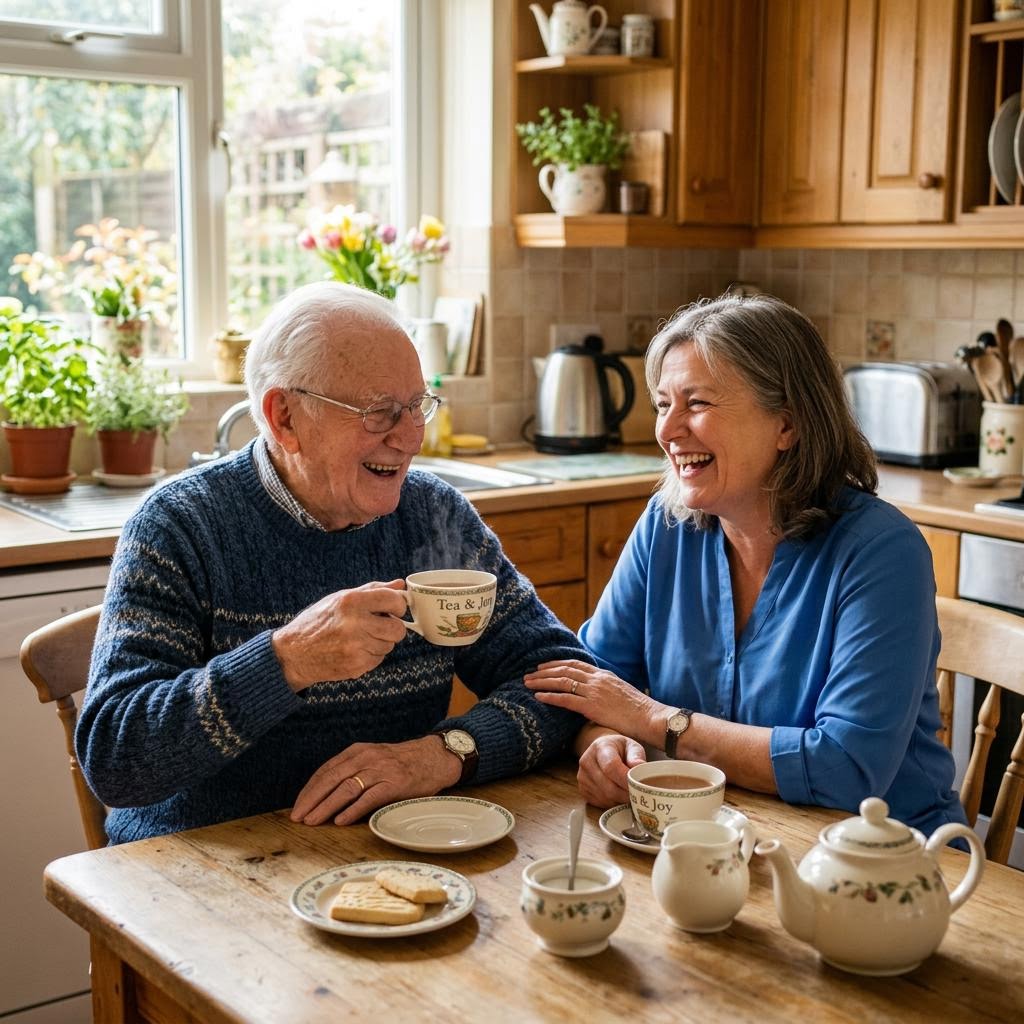
Hey there! If you’ve been looking into care options for your aging parents lately here in BC, you’ve probably noticed that the landscape is changing: fast. It’s now 2026, and the ways we think about "growing old" have shifted from institutional hallways to more intimate, human-centered spaces.
The big buzz right now is the "Small Care Home" model launched by Vancouver Coastal Health (VCH). It’s a visionary step forward, designed to replace those massive, sterile nursing homes of the past with cozy, 10-resident houses. But as great as that sounds, it still leaves many Vancouver families asking the same big question: Is a small facility really better than just staying at home with a professional caregiver?
At Pure Heart Home Care, we believe that the future of aging isn't just about where you live, but how you live. Whether you're looking at senior home care Vancouver options or checking out the new VCH initiatives, you deserve the full picture. Let’s break down the revolution of the small care home versus the enduring gold standard of 1-on-1 in home care.
What Exactly is the "Small Care Home" Model?
The 2026 VCH initiative was born out of a simple realization: big institutions often feel like hospitals, not homes. The new model focuses on "households" of about 10 residents. Each person has their own room, but they share a kitchen, a living room, and a backyard.
The idea is to create a sense of community. Instead of a revolving door of hundreds of staff members, these homes have a consistent team of caregivers who do everything from cooking meals to providing personal care. It’s a massive improvement over the old way of doing things, and for many, it’s a welcome middle ground between total independence and a traditional nursing home.
However, even with this revolutionary shift, these homes are still facilities. They still have schedules, shared spaces, and: most importantly: waitlists that have tripled over the last two years.
The Power of 1-on-1: Why In Home Care is Still the Gold Standard
While a 10-person house is better than a 100-person facility, it still can’t compete with a 1-person house. When we talk about in home care, we aren't just talking about help with the groceries; we’re talking about a bespoke life designed entirely around your parent’s preferences.

In a small care home, your parent is one of ten. In their own home, they are the one and only. This "one-to-one" ratio is the secret sauce to maintaining dignity and cognitive health. When a caregiver focuses solely on one individual, they notice the small things: the slight change in appetite, the subtle shift in mood, or the specific way a parent likes their tea.
If you’re just starting to explore this, our in-home care 101 guide is a great place to see how this level of focus changes the game.
Comparing the Two: A Side-by-Side Look
When deciding between a VCH small care home and private senior home care in Vancouver, here is how the 2026 reality stacks up:
1. Personalization and Routine
In a small care home, breakfast is usually served at a specific time. Activities are planned for the group. While there is more flexibility than in the old days, there is still a "system."
With private care, if your dad wants to sleep in until 10 AM and then spend the afternoon listening to jazz records in his favorite armchair, he can. There is no "system" to fight against. Check out why personalized home care services are often the deciding factor for families who value autonomy.
2. The Waitlist Reality
Let’s be real: the bed shortage in BC hasn’t gone away just because the homes got smaller. In fact, because these 10-person homes are so popular, the waitlists are longer than ever. Many families find themselves in a "crisis" situation where they need help now, but the system says "wait six months."
In-home care can often start within days. It provides an immediate lifeline that keeps your parent safe while you figure out long-term plans.
3. Health and Safety
The pandemic of years past taught us a lot about infection control. Smaller environments are safer than large ones, but nothing is safer than a private home. By limiting the number of people coming and going, you significantly reduce the risk of illness. Plus, for seniors with mobility issues, their own home is a known environment.

The Emotional Factor: Home is Where the Heart Is
There is a psychological weight to moving. For many seniors, leaving their home feels like the "beginning of the end." It’s a loss of history, memories, and a sense of self.
We’ve seen it time and again: when a senior stays in their own home, surrounded by their own things, their spirit stays stronger. This is why we are so passionate about companionship care. It’s not just about safety; it’s about having a friend to share stories with in the very place those stories happened.
Navigating the Cost: The 40-Hour Rule
Families often worry about the cost of private in home care. In 2026, the general "rule of thumb" remains: if your parent needs fewer than 40 hours of support per week, staying at home is almost always more cost-effective than a private small care facility.
Once a parent needs 24/7 "eyes-on" supervision, the math changes. However, even then, many families choose 24-hour home care because the quality of life and one-on-one attention are worth the investment.
Also, don't forget the recent BC Aging at Home Tax Credits! In 2026, families can claim up to $20,000 for home safety upgrades and care services, making the "stay at home" option more accessible than it used to be.

5 Signs Your Parent Needs More Than Just "Checking In"
Whether you choose a facility or home care, knowing when to act is the hardest part. Don't wait for a fall to make the decision. Keep an eye out for these red flags:
- Unopened mail or unpaid bills: A sign of cognitive overwhelm.
- Mysterious bruises: Usually a sign of balance issues or "near-falls."
- Changes in hygiene: Skipping showers or wearing the same clothes for days.
- Weight loss: Often caused by the effort of cooking becoming "too much."
- Social withdrawal: Not wanting to go to the community center or call friends.
If you're noticing these, you might want to read our deeper dive on 5 signs your aging parent needs help.
Making the Decision: Which is Right for Your Family?
The "Small Care Home" revolution is a beautiful thing for our city. It shows that we are finally valuing the humanity of our elders. But it’s not the only way: and for many, it’s not the best way.
Choose a Small Care Home if:
- Your parent is feeling dangerously isolated and craves constant social interaction with peers.
- They need constant, 24/7 medical supervision that family cannot provide.
- They are ready and willing to move and downsize.
Choose In Home Care if:
- Your parent finds comfort and identity in their current neighborhood and home.
- You want a customized care plan that fits their schedule, not the facility's.
- You want to avoid the stress and "transfer trauma" of a major move.
- You value a 1-on-1 relationship where the caregiver becomes like family.

How Pure Heart Can Help
At Pure Heart Home Care, we are inspired by the changes we see in Vancouver. We love that the bar is being raised. We strive every day to provide the kind of visionary, compassionate care that allows seniors to thrive: not just survive: in the comfort of their own homes.
If you’re feeling overwhelmed by the options, don’t worry. You don’t have to figure this out alone. Whether you need respite care to catch your breath or you’re looking for a long-term partner in your parent’s health, we’re here to help you navigate the journey with heart.
The future of aging is local, it’s personal, and it’s right here in the living rooms of Vancouver. Let’s make sure your parent’s next chapter is their best one yet.
Want to make sure you're making the right choice? Check out our guide on 7 mistakes families make when choosing care to avoid the common pitfalls.