The Ultimate Guide to Post-Surgery Care Vancouver: Everything You Need for a Safe Recovery at Home
By Beylah Rivera · June 24, 2026
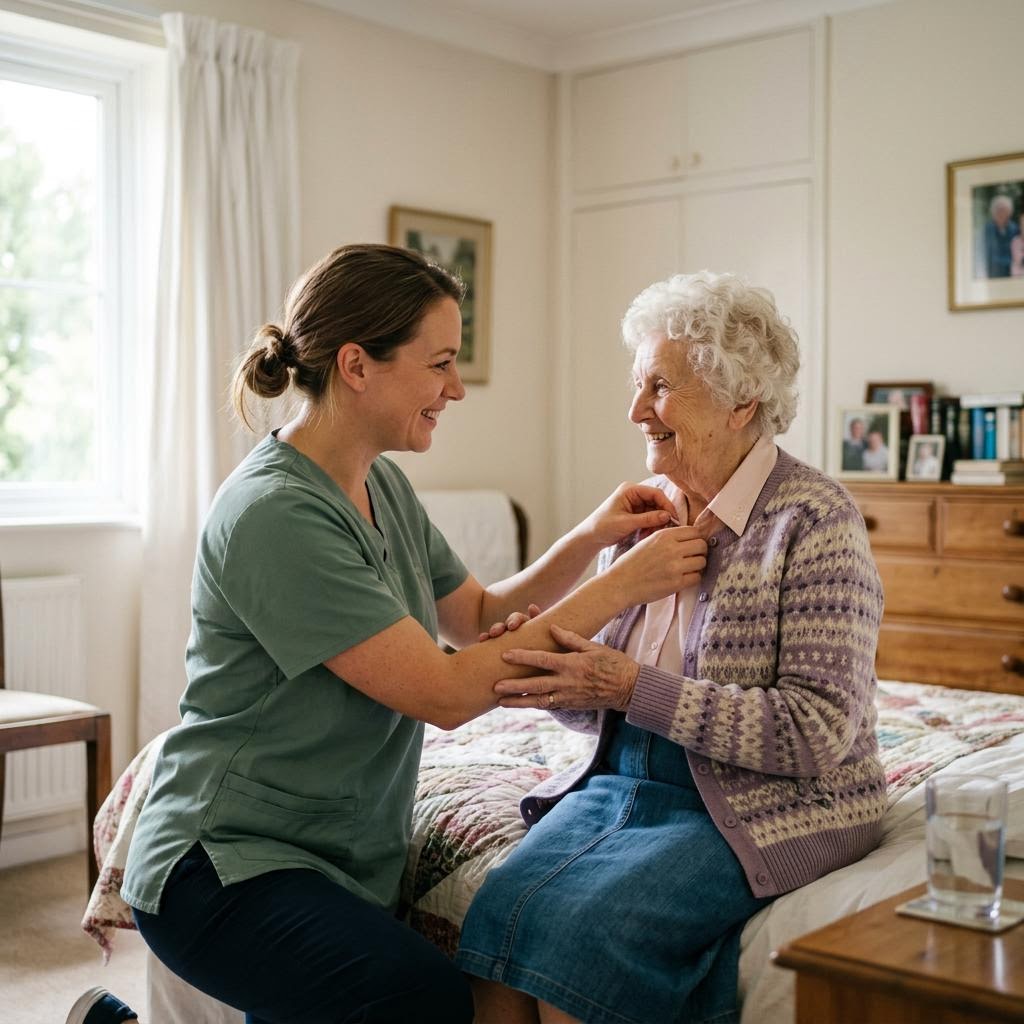
The drive home from Vancouver General Hospital or St. Paul’s after a major surgery is often a mix of relief and intense anxiety. You’re happy to be leaving the sterile environment of the hospital, but as a family member, the weight of responsibility can feel overwhelming. Will they be safe? Can I manage their medications correctly? What if something goes wrong?
At Pure Heart Home Care, we believe that healing happens best where the heart is: at home. However, a successful recovery doesn't happen by accident. It requires a visionary approach to care: one that blends medical necessity with the warmth of a supportive environment.
This guide is designed to help Vancouver families navigate the complexities of post-surgery care, ensuring your loved one transitions from the hospital to home with dignity, safety, and peace of mind.
1. The Hospital Exit Strategy: Questions to Ask Before Discharge
A safe recovery starts before you even pull out of the hospital parkade. Whether your loved one is being discharged from a major surgical center or a specialized clinic, you need a clear roadmap.
Don't leave the hospital without written answers to these vital questions:
- What are the exact medication instructions? Ask for names, dosages, and what to do if a dose is missed.
- What are the physical "red flags"? Know exactly who to call if you see redness, swelling, or if they experience sudden pain.
- What are the mobility restrictions? Can they use stairs? How much weight can they put on their surgical site?
- When is the follow-up? Ensure the first post-op appointment is already on the calendar.
Having this information in writing reduces the "caregiver fog" that often sets in during the stress of discharge day.
2. Preparing the "Recovery Zone" in Your Vancouver Home
Most Vancouver homes: especially older character houses or multi-level townhomes: aren't naturally designed for post-surgical recovery. You need to create a "Recovery Zone" that prioritizes accessibility.

Essential Home Modifications:
- Clear the Path: Remove all loose rugs, electrical cords, and clutter. A senior using a walker needs a wide, unobstructed path to the bathroom and kitchen.
- Bathroom Safety: This is the highest-risk area for falls. Install temporary grab bars, use a non-slip bath mat, and consider a raised toilet seat.
- Lighting is Key: Install bright nightlights along the route from the bed to the bathroom. Sudden confusion at 2:00 AM is much more dangerous in the dark.
- The Command Center: Set up a side table within arm’s reach of their recovery chair. It should hold water, a phone, their medication schedule, and a "call bell" (even a simple desk bell works) so they don't have to shout for help.
3. The Critical First 72 Hours: The "Danger Zone"
The first three days at home are the most taxing. This is when the anesthesia is fully wearing off, post-operative pain often peaks, and the risk of "post-hospital syndrome": a period of extreme vulnerability: is highest.

During this window, it is essential that your loved one is not left alone. If family members cannot commit to 24/7 supervision, this is the time to consider 24-hour home care.
Key priorities for the first 72 hours:
- Fall Prevention: Help them stand up slowly. Many surgeries cause "orthostatic hypotension" (a sudden drop in blood pressure when standing), which can lead to fainting.
- Pain Management: Don't "wait for the pain" to become unbearable. Follow the prescribed schedule exactly to stay ahead of the pain curve.
- Monitoring for Delirium: In older adults, the combination of surgery, new meds, and a change in environment can cause temporary confusion or agitation. Stay calm and provide constant reassurance.
4. Mastering the Daily Recovery Routine
Once the initial "danger zone" passes, recovery becomes a marathon of consistency. A structured routine is the best tool for preventing complications like blood clots or infections.
Medication Management
Managing a complex list of new prescriptions alongside existing maintenance meds is one of the most common causes of hospital readmission.

Use a weekly pill organizer and a written log. If the schedule is overwhelming, our caregivers at Pure Heart Home Care provide medication reminders to ensure every dose is taken safely and on time.
Nutrition and Hydration
The body requires extra calories and protein to knit tissue back together. However, post-op constipation (often caused by pain meds) can kill a senior's appetite.

- Small, Frequent Meals: Don't aim for three large meals. Offer five or six nutrient-dense snacks throughout the day.
- High Fiber: Focus on fruits, vegetables, and whole grains to keep the digestive system moving.
- Hydration: Keep a water bottle with a straw nearby at all times. Dehydration can lead to dizziness and increased confusion.
5. Recognizing the Red Flags: When to Call the Doctor
While we aim for an inspirational recovery, we must remain vigilant. In the Vancouver healthcare system, knowing when to call your surgeon’s office versus when to call 911 can save a life.
Call 911 or visit the ER immediately if:
- They have sudden chest pain or shortness of breath.
- They experience a sudden, severe headache or facial drooping.
- They have a fall, especially if they hit their head.
Call the Surgeon’s Office if:
- The incision site is red, hot to the touch, or oozing pus.
- The edges of the wound seem to be pulling apart.
- They have a fever over 38.3°C (101°F).
- Pain is increasing despite taking prescribed medications.
6. How Pure Heart Home Care Supports Your Family
Recovering from surgery is a full-time job: for the patient and the family. Many adult children in Vancouver find themselves stretched thin, trying to balance their own careers and children while managing a parent’s complex recovery needs.
This is where Pure Heart Home Care steps in. We don't just provide "help"; we provide a visionary partnership in your loved one's healing journey. Our personalized care plans are tailored specifically to the post-surgical requirements of your family.
Our caregivers assist with:
- Mobility Support: Safe transfers from bed to chair and assistance with prescribed physiotherapy exercises.
- Personal Care: Dignified assistance with bathing and dressing while the surgical site is still sensitive.
- Meal Preparation: Nutritious, recovery-focused meals that meet dietary restrictions.
- Peace of Mind: Knowing that a trained, compassionate professional is watching for red flags while you take a much-needed break.
Conclusion: A Vision of Better Recovery
Surgery is a significant life event, but it doesn't have to be a traumatic one. By preparing the home, establishing a rigorous routine, and bringing in the right professional support, you allow your loved one to focus on what matters most: getting better.
Whether you need a few hours of respite care so you can sleep, or full-time support during the first week home, Pure Heart Home Care is here to ensure the recovery process is safe, comfortable, and full of heart.
Ready to build a recovery plan for your loved one? Contact us today to learn how we can support your family’s journey home.