When Is It Time for In Home Care in Vancouver? 5 Signs Your Parent Needs Extra Support
By Beylah Rivera · July 17, 2026
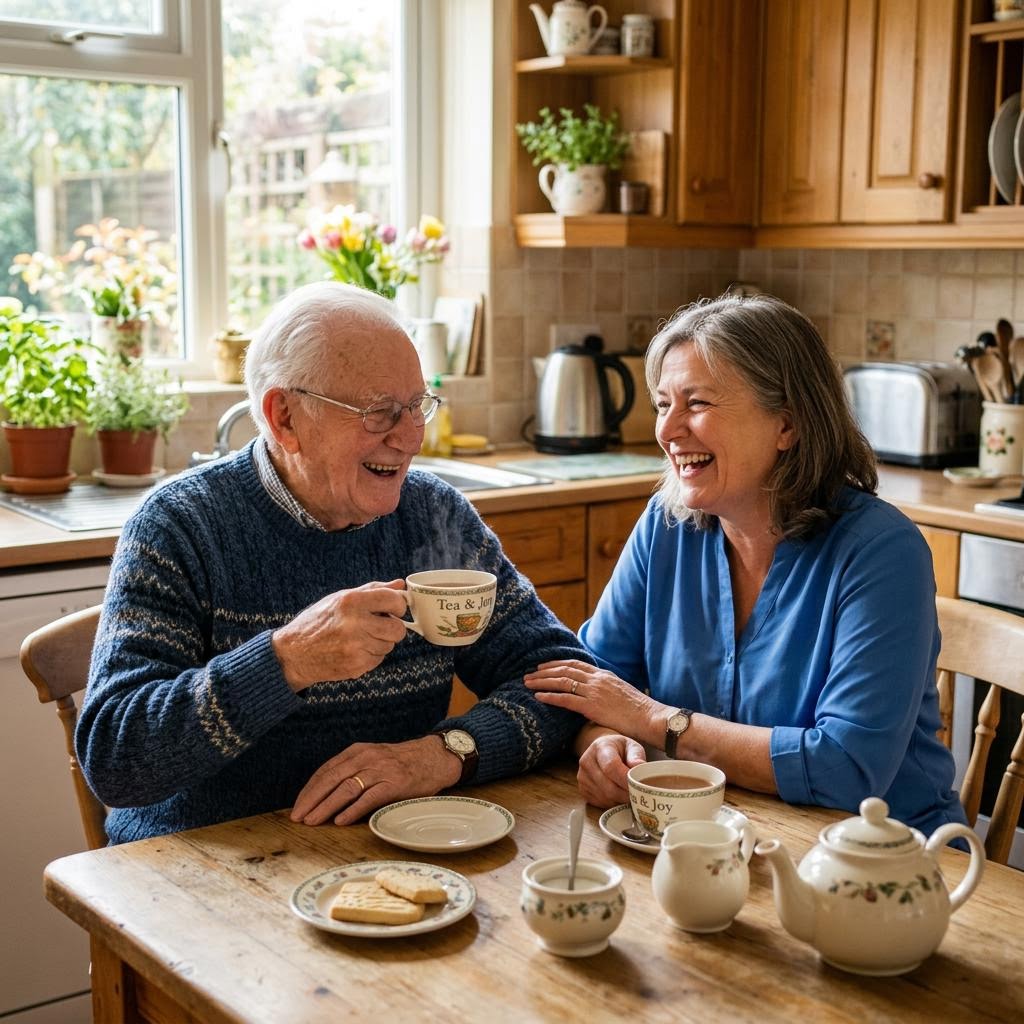
For many families living in the Lower Mainland, the transition from being a devoted son or daughter to becoming a part-time caregiver happens almost invisibly. It starts with helping Mom with the groceries from the Kitsilano Farmers Market or driving Dad to his appointments at Vancouver General Hospital. But as time goes on, you might notice that those small favors have turned into a second full-time job.
If you’ve been feeling overwhelmed, you aren't alone. Many families eventually reach a point where they ask: "Is it still safe for them to be home alone?"
Recognizing when to transition to professional in home care in Vancouver isn't about giving up your role as a family member; it’s about ensuring your loved one can continue to live with dignity and safety in the city they love. At Pure Heart Home Care, we specialize in bridging that gap with compassionate, non-medical support.
Here are five undeniable signs that it might be time to look for extra help for your aging parent.
What are the common signs my parent needs in home care in Vancouver?
1. Changes in Personal Hygiene and Appearance
One of the first red flags is often the most visible. If you notice your parent, who was always meticulous about their appearance, is suddenly wearing the same clothes for several days or has stopped grooming their hair, it might not be a choice. Often, seniors skip bathing or laundry because the physical effort has become too much, or they are afraid of slipping in the shower.
Professional personal care support can help manage these daily tasks. Instead of the stress of struggling alone, a caregiver can provide gentle assistance with bathing and dressing, allowing your parent to feel refreshed and confident again.
2. A Neglected Home Environment
When you visit your parent’s home in Kerrisdale or Mount Pleasant, take a quick look around the kitchen. Is the fridge filled with expired milk? Are there stacks of unopened mail on the Granville Island-sourced dining table?
A cluttered or dirty home is a major indicator that "instrumental activities of daily living" (IADLs) are becoming unmanageable. If light housekeeping and meal preparation are falling by the wayside, it’s a sign that their energy is being spent just on getting through the day. Our home care services 101 guide covers how small supports like meal prep can make a massive difference in quality of life.

3. Forgetfulness and Medication Mismanagement
We all forget where we put our keys occasionally, but if your parent is missing doses of vital medications or forgetting to attend their regular community center events, it’s time to pay attention. Missing medications can lead to rapid health declines or unnecessary hospital visits.
In-home caregivers provide essential medication reminders. While we don't administer the drugs (as we provide non-medical care), having a professional there to ensure the right pill is taken at the right time provides immense peace of mind for families who can't be there every day.
4. Unexplained Bruises or Mobility Struggles
Have you noticed your parent "wall surfing" (touching walls or furniture for balance) as they move through the house? Or perhaps you’ve seen unexplained bruises on their arms or legs? These are subtle signs of falls that they might be too proud or embarrassed to mention.
Vancouver’s older homes can have steep stairs or narrow hallways that become obstacles. Having someone there for mobility assistance ensures they can navigate their home safely. You can read more about identifying these "red flags" in our detailed post on 5 signs your aging parent needs help.

5. Social Withdrawal and Loneliness
Isolation is a "silent" sign. If your parent has stopped going for their usual walks along the Seawall or has lost interest in their hobbies, they may be suffering from loneliness. In a busy city like Vancouver, it’s easy for seniors to feel disconnected if they can no longer drive or walk long distances comfortably.
This is where senior home care in BC shifts from "physical help" to "emotional lifeline." Companionship care is about having someone to talk to, go for walks with, and share a cup of tea. It keeps the mind sharp and the spirit high.
How do I know if it’s time to move from family caregiving to professional senior home care?
This is perhaps the hardest question for adult children. You might feel a sense of guilt, thinking you should be the one doing it all. However, professional support isn't a replacement for family; it’s a support system for the family.
Ask yourself these three questions:
- Is my own health or career suffering? If you are experiencing "caregiver burnout," you won't be able to provide the best care for your parent.
- Are our interactions becoming purely transactional? If every time you see your parent, you are just doing chores and checking lists rather than enjoying their company, professional help can "give you back" your relationship.
- Is my parent safe when I am not there? If the answer is "no" or "I’m not sure," it is time to explore options.
For many families, starting with respite care is the perfect middle ground. It allows you to take a break while your parent gets used to having a caregiver in the home. Check out our Respite Care 101 guide for more on how to start this process.

What is the difference between personal care support and companion care in BC?
When looking for in home care in Vancouver, you’ll often see these two terms. It’s important to know which one fits your situation:
- Companion Care: This is primarily about social interaction and help with the "extras." It includes light housekeeping, meal preparation, shopping trips, and emotional support. It’s perfect for seniors who are still physically capable but need help staying organized and engaged. You can learn more about why companionship care is essential.
- Personal Care Support: This is more "hands-on." It includes assistance with what are known as Activities of Daily Living (ADLs), such as bathing, grooming, and mobility assistance. If your parent is struggling with physical limitations, personal care at home is the right path.
At Pure Heart Home Care, we often combine these into a personalized plan that evolves as your loved one’s needs change.

Where can I find reliable in home care in Vancouver?
Choosing a care provider is a deeply personal decision. You want someone who treats your parent with the same dignity and respect that you do.
Pure Heart Home Care was founded on the principle that every individual deserves to age safely and comfortably in their own home. Whether you are in North Vancouver, Richmond, or the heart of the West End, our caregivers are trained to provide not just a service, but a connection. We offer flexible scheduling, from a few hours of companionship a week to more intensive daily support.
Take the First Step Today
If you’ve seen even two of the signs mentioned above, it’s worth having a conversation. You don't have to wait for a crisis or a fall to get support. Often, starting care early leads to better health outcomes and a much happier senior.
Contact Pure Heart Home Care today for a personalized consultation. Let’s work together to keep your loved one safe, happy, and home.