Why Companionship Care Will Change the Way Your Aging Parent Thrives at Home
By Beylah Rivera · March 7, 2026
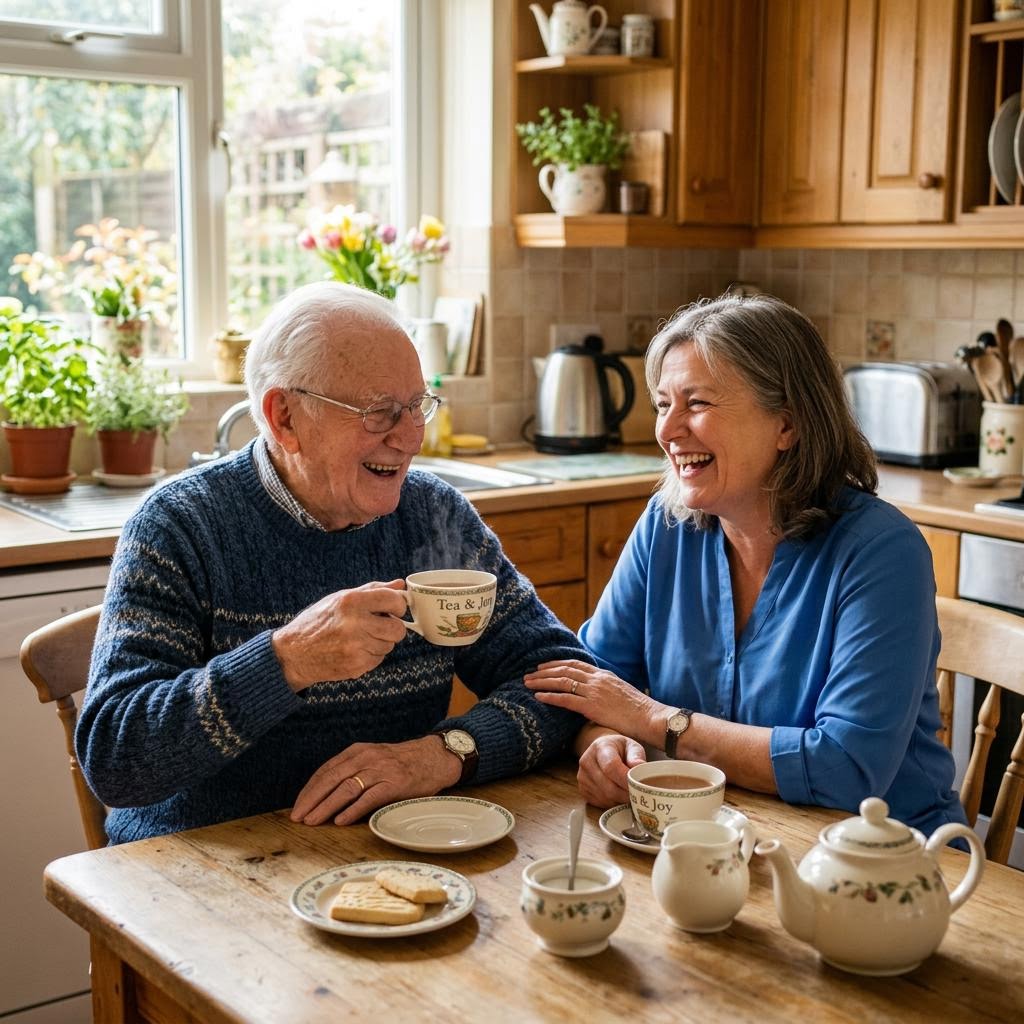
We all want the same thing for our parents: for them to grow older with dignity, comfort, and a smile on their faces. But as life gets busier and our own families grow, we often notice a quiet shift in our aging loved ones. Maybe the house is a little quieter than it used to be. Maybe the stories they used to tell with such gusto are being repeated or, worse, falling silent.
When we think about senior home care, our minds often jump straight to medical needs, medication management, physical therapy, or help with mobility. While those are vital, there is an invisible ingredient to health that is frequently overlooked: human connection.
At Pure Heart Home Care, we believe that companionship care isn't just a "nice-to-have" service; it is a life-changing intervention. It’s the difference between an aging parent simply "getting by" and truly thriving in the place they love most, their home.
What is companionship care and how is it different from other services?
If you’re just starting to look into home care services, the terminology can feel like a maze. You might be wondering, "Does my mom need personal care support, or is companionship enough?"
Simply put, companionship care focuses on the social and emotional side of aging. While personal care involves hands-on help with bathing or dressing, companionship is about building a relationship. It includes activities like:
- Engaging in meaningful conversation and reminiscing.
- Playing board games, cards, or working on puzzles.
- Accompanying your parent on walks or to social events.
- Sharing a meal and providing "table-side" company.
- Light assistance with hobbies like gardening or scrapbooking.
It’s about having a dedicated friend whose sole focus is your parent’s happiness and mental stimulation. In many cases, families find that starting with companionship is the perfect "soft entry" into in home care, helping seniors get comfortable with having a caregiver in the house before more intensive needs arise.

Why is social isolation a health risk for seniors?
It might sound dramatic to say that loneliness is a health crisis, but the research is clear. For seniors, social isolation is as damaging to health as smoking 15 cigarettes a day. When an aging parent spends day after day without meaningful interaction, their cognitive and physical health can decline rapidly.
Isolation is linked to:
- Increased Risk of Dementia: A lack of mental stimulation can accelerate cognitive decline.
- Heart Disease and Stroke: Loneliness triggers stress responses in the body that affect cardiovascular health.
- Depression and Anxiety: Without an outlet to share their thoughts, seniors often spiral into feelings of worthlessness or sadness.
This is where companionship care steps in as a shield. By having a regular visitor, your parent remains anchored to the world. They have someone to laugh with, someone to check in on them, and someone to notice the small changes in mood or health that might otherwise go unnoticed.
How does companion care improve a senior's mental health?
One of the hardest things for an aging parent to admit is that they feel like a burden. They might be feeling lonely or anxious, but they don't want to "bother" you because they know you’re juggling work, kids, and your own life.
Companion caregivers provide a safe, neutral space for seniors to express themselves. Because the caregiver is a "professional friend," the senior doesn't feel the need to filter their emotions to protect their family. Our caregivers are matched based on personality and interests, ensuring that the bond is genuine.
Whether it's discussing the news, talking about family history, or simply having someone to watch a favorite old movie with, these interactions release "feel-good" hormones like oxytocin and dopamine. This naturally reduces cortisol levels, leading to better sleep, improved mood, and a more positive outlook on life.

Can companionship care actually improve physical health?
It’s a common misconception that "just talking" doesn't affect the body. In reality, emotional well-being and physical health are two sides of the same coin. Here is how companionship influences the physical side of things:
Better Nutrition
Have you ever noticed that food just tastes better when you’re eating with someone else? Many seniors suffer from "tea and toast" syndrome: they lose interest in cooking or eating full meals because dining alone feels lonely. A companion caregiver can help meal prep and, more importantly, sit down and eat with your parent. This simple act often leads to better caloric intake and improved nutrition.
Increased Mobility
It’s easy to stay in the recliner when there’s no reason to get up. A companion provides that reason. Whether it’s a stroll around the block or just moving to the garden to look at the flowers, that extra movement improves circulation, maintains muscle tone, and helps prevent the stiffness that leads to falls.
Monitoring and Prevention
A companion caregiver acts as an extra set of eyes. They notice if a parent is suddenly more forgetful, if their gait has changed, or if they seem unusually fatigued. Catching these small shifts early can prevent a trip to the emergency room, making senior home care a proactive rather than reactive choice.
Supporting independence through the "Doing-With" philosophy
At Pure Heart Home Care, our vision is to empower seniors, not take away their agency. There is a huge psychological difference between having something done for you and having something done with you.
If a senior is struggling to bake their famous cookies, a caregiver doesn't just take over the kitchen. Instead, they might help find the ingredients, pre-heat the oven, and handle the heavy lifting while the senior remains the "head chef." This preserves the senior's sense of purpose and autonomy.
Maintaining independence is a core part of why families choose home care services over institutional living. If you're wondering about the different levels of support available, you might find our guide on 24-hour home care vs. part-time support helpful in determining what fits your parent's current lifestyle.
Providing much-needed respite for family caregivers
Let’s talk about you for a second. Caring for an aging parent is a labor of love, but it is also exhausting. Many adult children find themselves in the "sandwich generation," squeezed between the needs of their kids and the needs of their parents.
When you use respite care through companionship services, you aren't "paining off" your responsibilities. You are ensuring that when you do spend time with your parent, you are doing so as a son or daughter, not as a stressed-out assistant.
Knowing that a trusted professional is with your mom or dad allows you to go to work, take a vacation, or just have a quiet dinner with your spouse without the constant "what-if" buzzing in the back of your mind. It restores the family dynamic. If you're feeling overwhelmed, check out our Respite Care 101 guide to see how taking a break can actually make you a better caregiver.

Is companionship care right for your family?
You might be seeing some "red flags" that suggest it’s time for a little extra help. Maybe your parent has stopped calling as often, or their house isn't as tidy as it used to be. Perhaps they’ve stopped attending their weekly bridge club.
If you’re seeing these signs, it’s worth exploring in home care. You don't have to wait for a crisis or a fall to start bringing support into the home. In fact, the most successful home care journeys often start with simple companionship. It builds a foundation of trust that makes it much easier to transition to 24 hour home care or personal care support later if the need arises.
To help you navigate these early conversations, we've put together a list of 5 signs your aging parent needs in-home care services. Recognizing these early can make all the difference in their quality of life.
How to get started with Pure Heart Home Care
Choosing a care provider is a big decision. You aren't just looking for a service; you're looking for a partner who understands the heart of your family.
At Pure Heart Home Care, our approach is visionary. We don't just see a client; we see a life full of stories, wisdom, and potential. Our goal is to match your parent with a companion who truly "gets" them.
Before you book your first consultation, it’s helpful to be prepared. We recommend reading our tips on 10 things you should know before your first consultation to ensure all your questions get answered.
Aging at home should be a vibrant, fulfilling chapter of life. With the right companionship care, your parent won't just be staying at home: they’ll be thriving there.
Let's work together to bring more laughter, more connection, and more "pure heart" into your loved one's daily life.
