Why Personal Care Support Will Change the Way Your Parent Stays Independent at Home
By Beylah Rivera · May 18, 2026
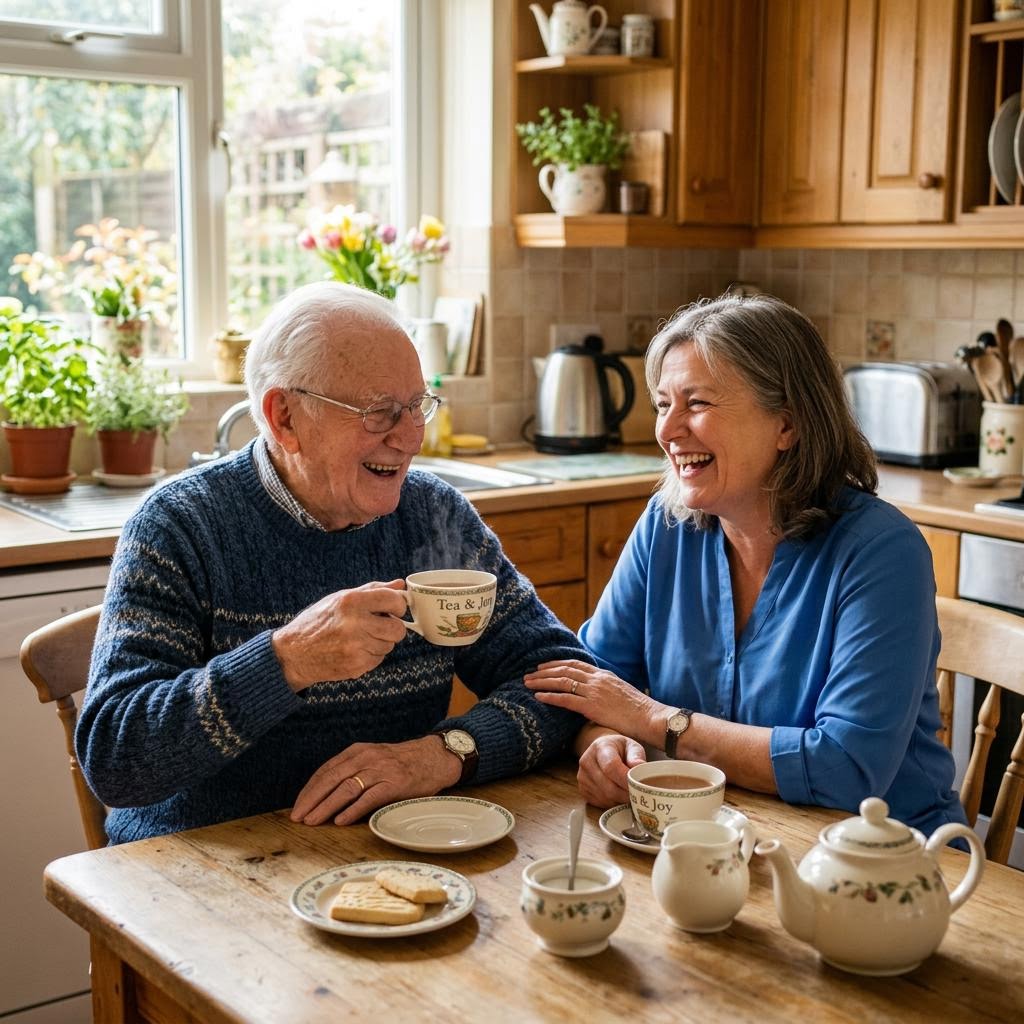
When you sit down with your aging parents for Sunday dinner, the conversation often circles back to one thing: "I want to stay in my own home." It’s a powerful desire. It’s about more than just four walls and a roof; it’s about memories, comfort, and the freedom to decide when to have a cup of tea or which chair to sit in.
However, as an adult child, you might start to notice things. Maybe the laundry is piling up, or Mom is wearing the same outfit three days in a row because she’s afraid of the stairs. Maybe Dad is skipping showers because the bathtub feels like a mountain he can no longer climb.
The biggest misconception about personal care support is that it marks the beginning of the end of independence. At Pure Heart Home Care, we see it differently. We believe that the right senior home care is actually the key that unlocks more independence, not less. It’s about providing the bridge that allows your parent to keep living life on their own terms.
What is personal care support for seniors?
If you’re searching for an answer to "what is personal care support," think of it as hands-on assistance with the "activities of daily living" (ADLs). This includes tasks that have become physically or cognitively challenging, such as:
- Bathing and showering
- Grooming and hair care
- Dressing and undressing
- Toileting and incontinence care
- Safe transfers (like getting from the bed to a chair)
- Medication reminders
Unlike companionship care, which focuses on social engagement and light help, personal care is more intimate and physical. It’s designed to keep your parent healthy, clean, and: most importantly: safe within their own home.

How does in-home care services actually increase independence?
It sounds like a paradox, doesn't it? How does having someone help you get dressed make you more independent?
The answer lies in the concept of "functional independence." When a senior struggles with basic tasks, they often start to "shrink" their world. They stop going out because they can't get dressed easily. They stop eating well because standing at the stove is too tiring. They stop moving around the house because they are terrified of falling.
By bringing in home care services, you remove those barriers. When a caregiver helps Dad get safely through his morning routine, he has the energy and confidence left over to sit on the porch and wave to neighbors, or to work on his favorite hobby. Professional support handles the "struggle" so the senior can focus on the "living."
Protecting dignity: Why a professional caregiver changes the dynamic
One of the hardest things for a parent to accept is help from their own child with intimate tasks like bathing or toileting. It can feel like a role reversal that stings. Your mom wants to be your mom, not your patient.
Professional senior home care solves this emotional hurdle. Our caregivers are trained to provide support with the utmost respect and modesty. To a professional, helping with a sponge bath is a routine part of a health-focused day. To a daughter, it can feel like a heavy emotional burden for both parties.
When you hire a professional for personal care, you aren't just getting a set of hands; you’re preserving the parent-child relationship. You get to go back to being the daughter or son who visits for a chat, rather than the "nurse" who is constantly checking on hygiene. This shift is essential for the mental health of both the senior and the family caregiver. If you’re feeling the weight of these responsibilities, exploring respite care 101 can be a great first step toward finding balance.

The "Use It or Lose It" approach to aging
A visionary approach to in home care isn't about doing everything for the senior; it’s about doing things with them.
At Pure Heart Home Care, our goal is to encourage as much self-sufficiency as possible. If Mom can still button the middle of her shirt but struggles with the top, we let her do the middle. If Dad can wash his face but needs help with his feet, we step in only where needed.
This "active care" model helps maintain muscle memory, physical strength, and: most importantly: a sense of self-worth. When a senior feels they are still contributing to their own care, their mood and cognitive function often improve. It's a cornerstone of what we discuss in our guide to mastering compassionate senior support.
Creating a "Safety Net" to prevent the crisis move
Most seniors end up in assisted living or long-term care facilities because of a crisis: usually a fall or a sudden decline in health due to poor self-care.
Personal care support acts as a preventative measure.
- Fall Prevention: Bathrooms are the most dangerous room in the house. Having a steady arm during a shower or transfer significantly reduces the risk of a hip fracture.
- Skin Integrity: Regular bathing and assistance with incontinence prevent infections and sores that can lead to hospitalizations.
- Routine Stability: Having a set time for waking up, grooming, and moving around keeps the body’s internal clock regulated, which is vital for seniors with early-stage dementia.
By being proactive, you are actually extending the years your parent can stay at home. You are preventing the emergency that forces a move they aren't ready for.

How to know if your parent needs personal care support?
It’s not always obvious when the line is crossed from "slowing down" to "needing help." Here are a few red flags to watch for:
- The "Scents" of Change: Unpleasant body odor or a house that smells of urine.
- The Look: Unkempt hair, long fingernails, or wearing stained clothing.
- The "Furniture Walk": You notice Mom touching every piece of furniture as she moves across the room to stay balanced.
- Weight Loss: Often a sign that cooking or eating has become too much of a chore.
- Mood Shifts: Irritability or withdrawal, which often masks the fear of being unable to care for oneself.
For a deeper dive into these signals, check out our article on 5 signs your aging parent needs in-home care services.
Talking to your parent about personal care
This is the conversation most families dread. The key is to frame the support as a way to stay home, rather than a step toward leaving home.
Try saying something like: "Dad, I know how much this house means to you. I want to make sure you can stay here forever. If we have someone come in for a few hours to help with the heavy lifting in the morning, it means you won't be so tired for our walks in the afternoon. It's about keeping you safe so you never have to move."
Focusing on the "vision" of their future: one where they remain the master of their domain: usually meets with much less resistance than focusing on their "limitations." If you're unsure how to start the process, our guide for busy adult children offers a step-by-step roadmap.
Why Pure Heart Home Care is different
We aren't just a service provider; we are your partners in this journey. We understand that every family is different. Some may only need a few hours of help a week, while others might eventually require 24 hour home care.
Our approach is visionary because we look at the whole person: their history, their preferences, and their dreams for their senior years. We match our caregivers not just based on skills, but on personality, ensuring that the person coming into your home feels like a trusted friend.
Personal care support is a powerful tool. It’s the difference between a senior who is "surviving" at home and one who is "thriving" at home. It provides the physical safety and emotional dignity required to age with grace.

If you're ready to explore how we can help your parent maintain their independence, we invite you to learn more about our home care services and how we can tailor a plan that fits your family's unique needs. Staying home is possible; and with the right heart leading the way, it’s the best way to live.