Why Personalized In-Home Care Will Change the Way You Approach Dementia Support
By Beylah Rivera · June 5, 2026
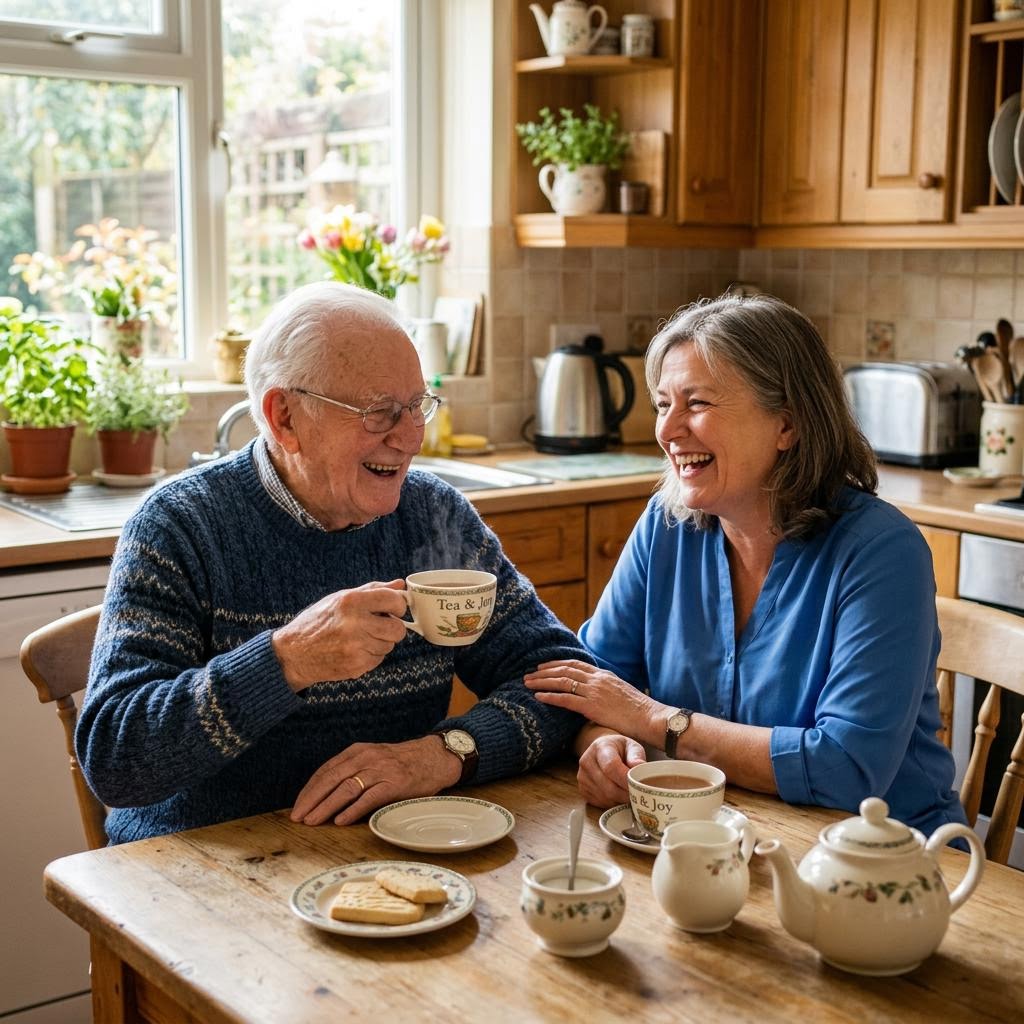
When a loved one receives a dementia diagnosis, the world often feels like it’s shrinking. For many families, the immediate thought is: "How long until we have to move them into a facility?" But there is a visionary shift happening in senior health. More families are realizing that the most effective, compassionate, and stabilizing environment for someone with memory loss isn't a clinical institution: it’s their own home.
At Pure Heart Home Care, we believe that personalized in home care is more than just a service; it is a way to preserve dignity and identity. By bringing professional support into a familiar environment, we don’t just manage symptoms: we celebrate the person.
What are the benefits of in-home care for dementia?
If you’ve ever asked your phone, "What are the benefits of in-home care for dementia?", you likely found a list of clinical reasons. But for the person living with memory loss, the benefits are deeply emotional.
- Preservation of Routine: For someone with Alzheimer’s or dementia, a change in environment can cause "sundowning" or increased agitation. Staying in a home where the squeak of the floorboards and the smell of the kitchen are familiar provides a psychological anchor.
- Safety in Familiarity: A senior knows their own home. Even if short-term memory fades, muscle memory often remains. Professional home care services help adapt that familiar space to ensure safety without stripping away independence.
- One-on-One Attention: In a facility, a single staff member might be responsible for a dozen residents. With senior home care, your parent has the undivided attention of a caregiver who learns their unique quirks, favorite stories, and specific triggers.
Why "one-size-fits-all" fails in dementia support
Dementia is not a linear journey. Some days are filled with clarity, while others are clouded by confusion. This is why a rigid care schedule often fails.

Personalized personal care support means the care plan breathes and grows with the individual. It’s not just about a checklist of tasks like bathing or medication reminders. It’s about knowing that on Tuesday mornings, your mother loves to listen to jazz while having her tea, or that your father feels most confident when he helps "prep" the vegetables for dinner.
By integrating these small, personal details, we move from "monitoring" to "empowering." You can learn more about how this works in our Home Care Services 101 guide.
The vital role of companionship care
Dementia thrives on isolation. When a senior begins to struggle with conversation or forgets names, they often withdraw. This withdrawal can accelerate cognitive decline.
This is where companionship care becomes a game-changer. A caregiver isn't just there to watch the clock; they are there to engage the mind. Whether it's playing a familiar card game, going for a light walk, or simply looking through old photos, these interactions keep the brain's "social muscles" active.
As we explore in our article on why companionship care is essential, these meaningful connections are often the best medicine for the anxiety and depression that frequently accompany memory loss.

Is 24-hour home care better than a nursing home?
As dementia progresses, many families reach a crossroads: is it time for a facility?
In many cases, 24 hour home care provides a superior alternative to institutionalization. With 24/7 support, a senior has a consistent rotation of familiar faces who are exclusively focused on their well-being. This level of consistency is nearly impossible to find in a nursing home setting.
Continuous care ensures that if a senior wakes up disoriented at 3:00 AM, there is a kind, familiar voice there to guide them back to bed. It prevents the falls and "wandering" incidents that often lead to emergency room visits. If you're wondering which level of support is right for you, check out our comparison of 24-hour care vs. part-time support.

How can I help my aging parent with dementia stay at home safely?
Safety is the number one concern for adult children. If you are asking, "How can I help my aging parent with dementia stay at home safely?", start with these three pillars:
- Environmental Assessment: Remove trip hazards, improve lighting, and install grab bars. However, don't over-sanitize the home: keep meaningful items within reach.
- Professional Respite: You cannot do this alone. Respite care is essential for the family caregiver. It allows you to step away and recharge so that you can return to your parent with patience and love rather than burnout. Our Respite Care 101 guide covers how to set this up.
- Specialized Training: Dementia care requires a specific skill set: understanding how to de-escalate "episodes" and how to communicate when words fail. Professional caregivers are trained in these nuances, providing a level of safety that goes beyond physical assistance.
A visionary approach to the golden years
At Pure Heart Home Care, our vision is a world where a dementia diagnosis isn't the end of a person's life in their community. We see a future where seniors age with grace, surrounded by the things they love, supported by people who truly care.
Personalized care changes the narrative from "What has been lost?" to "What can we still enjoy today?"
Whether you need a few hours of personal care support each week or are looking for the security of 24 hour home care, the goal is the same: peace of mind for you and a high quality of life for your parent.

Ready to take the next step?
If you’re feeling overwhelmed, remember that you don’t have to have all the answers today. Start by exploring the 10 things you should know before your first consultation.
Your journey with dementia support is personal, and your care plan should be too. Let's work together to keep the heart in home care.