Why Senior Home Care Will Change the Way Your Parents Reclaim Their Independence
By Beylah Rivera · April 29, 2026
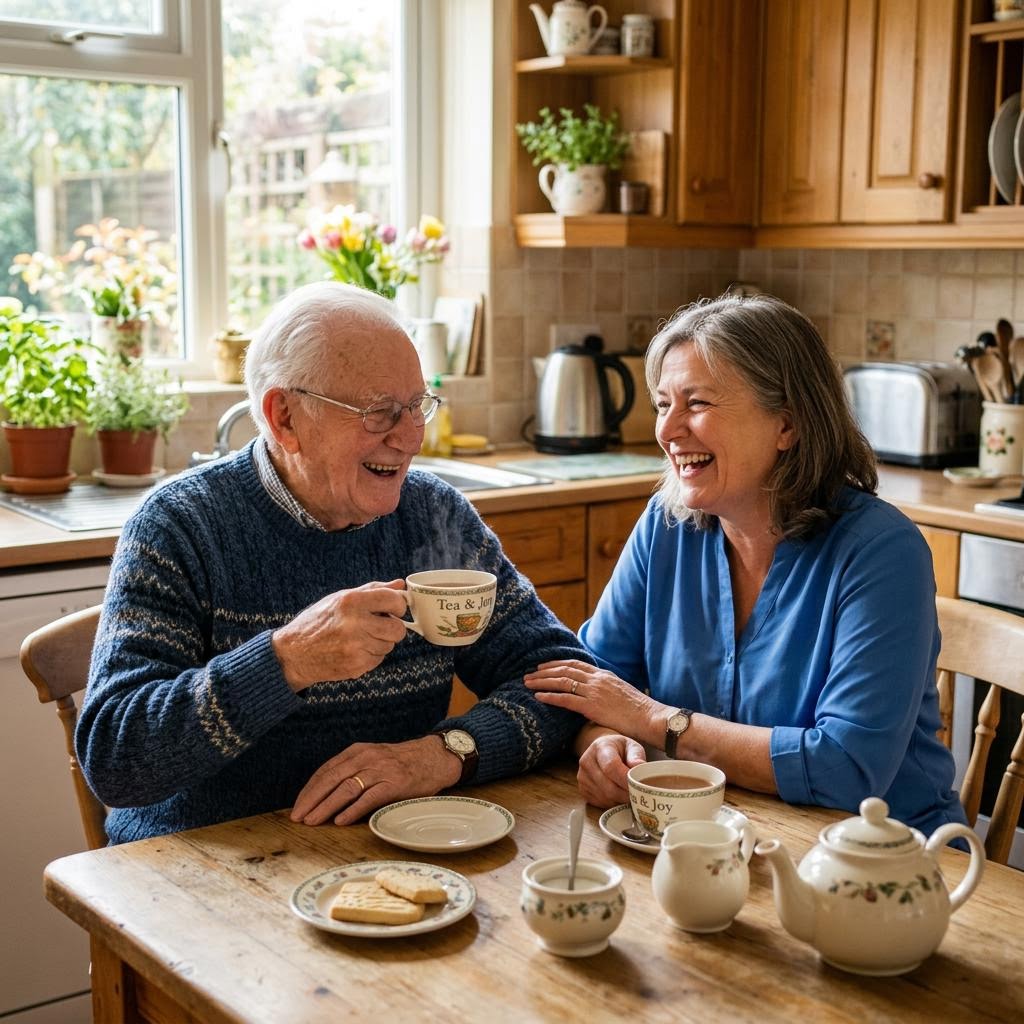
Let’s be honest: the conversation about "help" is one of the hardest talks you’ll ever have with your aging parents. We’ve all been there. You notice the mail piling up, or maybe mom is a bit more unsteady on her feet than she was last Christmas. Your first instinct is to protect them, but their first instinct is to protect their freedom.
For a long time, there was a misconception that accepting help meant the end of independence. It felt like a one-way ticket to a facility where schedules are rigid and the coffee is always lukewarm. But at Pure Heart Home Care, we see things differently. We believe that senior home care isn't about taking over someone’s life: it’s about giving them the tools to reclaim it.
If you’re wondering how professional support can actually make your parents more independent, you’re in the right place. Let’s dive into how modern home care services are changing the game for families in Vancouver and beyond.
What is the biggest myth about senior home care?
The biggest myth is that bringing a caregiver into the house means your parent is "giving up." In reality, it’s the exact opposite.
When a senior struggles with daily tasks like laundry, meal prep, or managing medications, they often start to withdraw. They stop hosting Sunday dinners because the cleanup is too much. They stop going for walks because they’re afraid of a fall. Their world gets smaller and smaller.
Senior home care changes that by removing the obstacles. When someone else handles the heavy lifting, your parent has the energy to focus on what they actually love doing. It’s not about losing control; it’s about choosing where to spend your energy.
How does in-home care support aging in place?
Most seniors have a very clear vision for their future: they want to stay in the home they love. This is "aging in place," and it’s a cornerstone of what we do. But staying at home safely requires a strategy.
Home care services provide a bridge between total independence and institutional care. By assessing the home environment and providing a helping hand, we allow seniors to remain in familiar surroundings. This familiarity isn't just about comfort; it’s about cognitive health. Research consistently shows that seniors: especially those dealing with early-stage memory issues: fare much better in environments they know by heart.
If you aren't sure if your parent is ready for this step, check out our guide on 5 signs your aging parent needs in-home care services.
Why is companionship care the "secret sauce" to independence?
Independence isn't just about being able to walk; it’s about having a reason to get out of bed. Loneliness is one of the biggest threats to senior health, often leading to depression and a decline in physical mobility.
This is where companionship care comes in. It’s more than just a "sitter." It’s a dedicated professional who engages your parent in conversation, accompanies them to the local community center, or simply shares a cup of tea while looking at old photos. This social stimulation keeps the mind sharp and the spirit high. When a senior feels seen and heard, they are far more likely to stay active and engaged with their own life.

Can personal care support actually preserve dignity?
One of the most sensitive areas of aging is the need for help with grooming, bathing, or dressing. For many adult children, trying to help a parent with these tasks can feel awkward or even shameful for the parent. It changes the family dynamic from "child and parent" to "nurse and patient."
By utilizing professional personal care support, you restore the natural family roles. A trained caregiver handles these intimate tasks with professional grace and respect, allowing you to go back to being the daughter or son. Your parent gets to maintain their dignity, and your relationship stays focused on love and connection rather than clinical tasks.
How do I choose between 24-hour home care and part-time support?
Every family’s needs are different. Some parents just need a few hours a week to help with groceries and light housekeeping. Others might be recovering from surgery or managing advanced dementia and require around-the-clock supervision.
- Part-time support: Perfect for seniors who are mostly independent but need help with specific chores or social engagement.
- 24-hour home care: Essential for those at high risk of falls, those who wander, or those who need constant medical monitoring.
The beauty of modern care is that it is scalable. You can start small and increase the level of support as things change. If you're weighing these options, we have a detailed breakdown on 24-hour home care vs. part-time support to help you decide which is right for your family.

What is respite care and how does it help the whole family?
We can’t talk about senior independence without talking about the "sandwich generation": the adult children who are caring for both their own kids and their aging parents.
If you are burnt out, you can’t provide the best care. Respite care is a temporary service that gives primary family caregivers a much-needed break. Whether it’s for a weekend away or just a few hours to run errands, respite care ensures your parent is safe and happy while you recharge.
Think of it this way: a supported caregiver is a better caregiver. By taking care of yourself, you’re actually helping your parent stay independent at home longer. You can learn more about how to navigate this in our Respite Care 101 guide.
How does senior home care reduce hospital visits?
Falls and medication errors are the top reasons seniors end up in the emergency room. Once a senior enters the hospital system, their independence is often compromised by the "deconditioning" that happens during a long stay in a hospital bed.
In home care professionals act as a second set of eyes. They ensure:
- Medication Adherence: Pills are taken at the right time and in the right dose.
- Fall Prevention: Removing trip hazards and providing physical support during movement.
- Nutrition: Preparing healthy meals that fuel the body and prevent weakness.
By preventing the crisis before it happens, home care keeps your parents out of the hospital and in their own living room.
Reclaiming the "Golden Years"
At Pure Heart Home Care, we believe that the "Golden Years" should actually be golden. It shouldn't be a time of fear, restriction, or "making do."
When you introduce home care services, you aren't closing a door; you’re opening a new one. You’re giving your parents the freedom to live safely, the dignity to age gracefully, and the support to remain the masters of their own domain.
If you're ready to see how a tailored care plan can transform your family's life, take a look at our Home Care Services 101 guide. It’s designed specifically for busy adult children who need clear, practical steps to get started.
Independence isn't something that has to fade with age. With the right heart and the right help, it can actually grow. Let's work together to make sure your parents are living their best lives, right where they belong.
Need more advice on navigating the world of senior care? Browse our full blog for tips on everything from companionship to choosing the right provider.