Your Quick-Start Guide to BC Home Care Funding: Do This First to Maximize Financial Relief
By Beylah Rivera · June 8, 2026
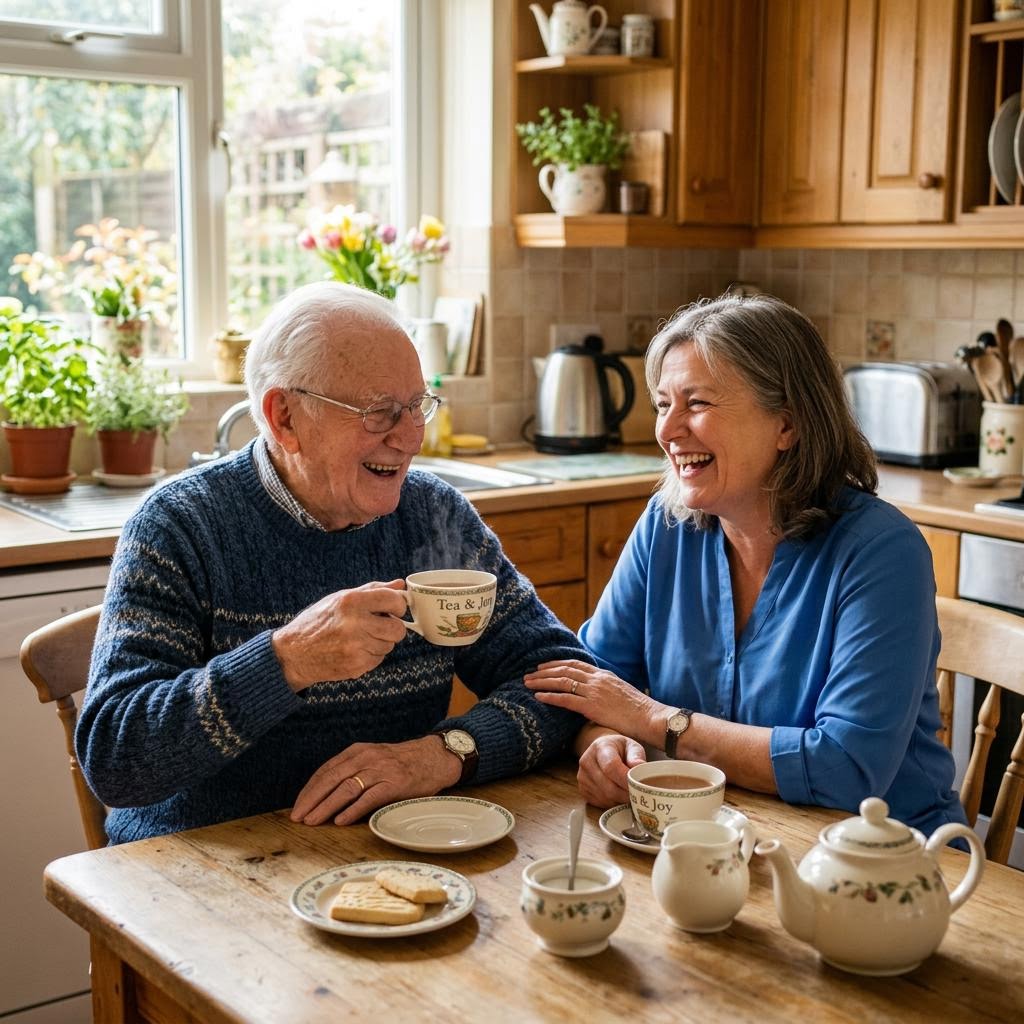
Let’s be real: when you first realize your mom or dad needs extra help at home, "financial planning" is usually the last thing on your mind. You’re likely more focused on finding someone kind, reliable, and capable of keeping them safe. But as you start looking into the costs of quality care, reality hits.
At Pure Heart Home Care, we believe that aging at home shouldn't be a luxury reserved for a few: it’s a visionary way of living that honors independence and dignity. The good news? British Columbia has some of the best support systems in Canada. The tricky part? Knowing which door to knock on first.
If you’re feeling overwhelmed, take a deep breath. We’ve mapped out exactly how to navigate BC’s home care funding so you can stop worrying about the bills and start focusing on the moments that matter.
Step 1: The "Golden Ticket" – Get a Health Authority Assessment
If you do nothing else this week, do this. In BC, your regional health authority (think Vancouver Coastal Health, Fraser Health, or Island Health) is the gateway to almost every form of public financial assistance.

Before you can access subsidized care or specialized programs, a case manager needs to visit your loved one's home for a "Home & Community Care" assessment. They aren't there to judge the dust on the mantel; they are there to determine how many hours of support your family qualifies for.
Why this is your "Do This First" step:
- It sets the baseline: Even if you plan to use private care, having an official assessment on file makes you eligible for other programs down the road.
- It triggers subsidies: Publicly funded home support is income-tested. Many low-income seniors pay nothing, while others pay a daily rate based on their tax returns.
- It opens doors: You can’t get to the "Choice in Supports for Independent Living" (CSIL) program without this step.
If you’re just starting this journey, check out our Home Care Services 101 guide for a deeper dive into the basics.
Step 2: Take Control with CSIL (Choice in Supports for Independent Living)
Standard health authority care is great, but it can be a bit rigid. Often, different workers show up at different times, which can be tough for seniors who crave routine or have complex needs like dementia.
That’s where CSIL comes in.
Instead of the health authority sending their own staff, they give you the funding directly. You become the employer (or we can help you manage it!), which means you get to choose exactly who enters your home. This is the ultimate visionary approach to care: putting the power back into the hands of the family.
By using CSIL funding, you can partner with a provider like Pure Heart to ensure personalized care plans are followed by the same friendly faces every single day.
Step 3: Master the Tax Credits (Don’t Leave Money on the Table)
Most families don't realize that the Canada Revenue Agency (CRA) is one of their biggest potential allies in funding home care.

The Medical Expense Tax Credit (METC)
You can claim the fees paid to a private home care agency as a medical expense. This includes assistance with daily living like bathing, dressing, and medication reminders.
- Pro Tip: To maximize this, get a letter from a doctor stating that the care is medically necessary. This turns a simple "helper" into a "qualified attendant," which often allows for higher claim limits.
The Disability Tax Credit (DTC)
This is a non-refundable tax credit that helps people with impairments (and their supporting family members) reduce their income tax. It’s a bit of paperwork up front: you’ll need your doctor to fill out form T2201: but it’s a game-changer. Not only does it lower your taxes, but it also unlocks higher limits for the METC mentioned above.
Are you seeing the pattern? A little bit of documentation today leads to a lot of relief tomorrow.
Step 4: Fix the House, Not the Person (BC RAHA)
Sometimes, the "care" a senior needs isn't a person: it's a safer bathroom. The BC Rebate for Accessible Home Adaptations (BC RAHA) offers up to $20,000 in rebates for eligible low-income seniors to modify their homes.

Think grab bars, walk-in tubs, or better lighting. When the home is safer, the senior stays independent longer, which often reduces the number of paid care hours needed. It’s about building a foundation where they can thrive, rather than just survive.
You might also qualify for the BC Seniors’ Home Renovation Tax Credit, which is a provincial credit for similar improvements. Every dollar saved on renovations is a dollar you can put toward essential companionship care later.
Step 5: The Pure Heart Approach – Layering Your Support
We know that navigating government forms can feel like a full-time job. That’s why we’re here to do more than just provide care; we’re here to be your partner.

Most of our families use a "layered" approach:
- The Public Base: They use health authority hours for basic medical tasks.
- The Pure Heart Layer: They use private care for the things the government doesn't cover: companionship, meal prep, transportation, and overnight safety.
- The Financial Buffer: They use tax credits and rebates to offset the cost of the private care.
Whether you need 24-hour support or just someone to check in a few times a week, we work with you to make sure the math adds up. If you're wondering if this is the right move for your family, take a look at our guide on personal care at home.
Final Thoughts: The Future is Home
Choosing home care isn't just about managing a decline; it’s about choosing a vibrant, independent future. By taking these financial steps early, you aren't just "saving money": you’re investing in your loved one's peace of mind and your own.
Don't wait until there's a crisis. Call your local health authority today to start that assessment. Then, give us a shout. We’d love to help you build a care plan that fits your family, your values, and your budget.
Ready to explore your options? Contact Pure Heart Home Care today for a free consultation. Let's make aging at home the best chapter yet.